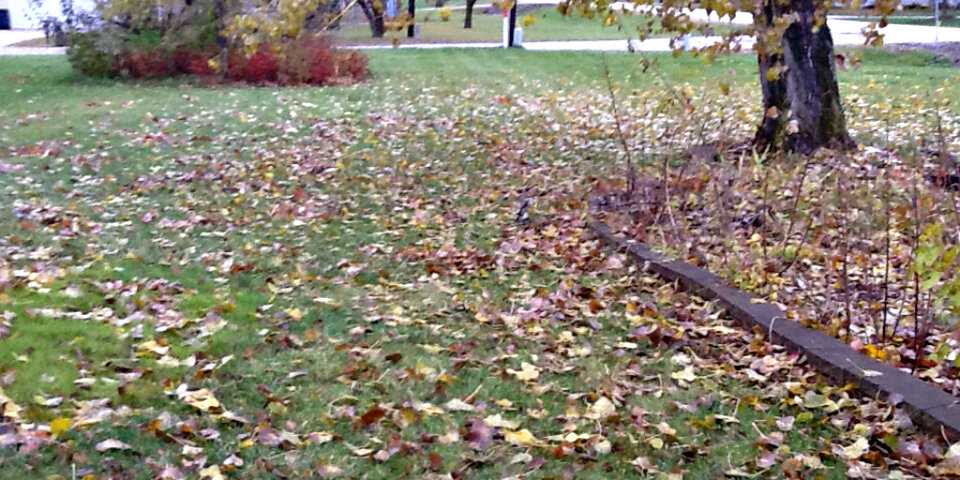
To recycle leaves for a healthier lawn and garden, turn them into compost or mulch to enrich your soil naturally. Shredding leaves and spreading them around plants helps retain moisture, suppress weeds, and add valuable nutrients. Using leaves effectively transforms what seems like yard waste into a sustainable resource that boosts plant growth.
If you want to give your lawn and garden a natural boost, recycling leaves is a simple and eco-friendly practice. First, collect fallen leaves and break them down into smaller pieces using a mower or leaf shredder. Spread the shredded leaves over your flower beds and lawn as mulch or add them to your compost bin. This not only recycles the leaves but also nourishes your soil, reduces waste, and supports a thriving garden ecosystem.
Leaves cover your yard in fall, but instead of tossing them away, you can turn this abundant resource into garden gold. Recycling leaves by composting or mulching is a smart way to boost soil health and keep your garden lush year-round. In this article, we’ll explore easy methods to recycle leaves, tips for maximizing their benefits, and how this simple act can make a big difference for your outdoor space. Whether you have a small backyard or a large garden, learning to recycle leaves effectively helps promote sustainability and plant vitality, making your gardening efforts more productive and eco-conscious.

How to Recycle Leaves for Lawn and Garden Health
Understanding the Benefits of Leaf Recycling
Recycling leaves is a simple way to improve your garden’s overall health. When you reuse fallen leaves, they become natural fertilizer that nourishes your soil and plants. This process helps reduce waste and minimizes the need for chemical fertilizers, making your garden more eco-friendly.
Recycled leaves add valuable organic matter to the soil, increasing its fertility. They also help retain moisture in the soil, which is vital during dry periods. Plus, leaf mulch can suppress weeds and protect plants from harsh weather.
Preparing Leaves for Recycling
Before recycling leaves, it’s important to gather and prepare them properly. Raking leaves regularly prevents them from smothering grass and plants. Use a sturdy rake that can handle large piles for quick collection.
Remove any debris such as sticks, rocks, or trash from the leaves. These can damage equipment or contaminate your compost. If leaves are wet, let them dry out slightly to prevent clumping and promote easier shredding.
Ways to Recycle Leaves in Your Garden
There are several effective methods to recycle leaves, each suited to different gardening needs. Consider your garden size and goals when choosing a technique.
Mulching with Shredded Leaves
Mulching with shredded leaves is one of the simplest ways to recycle them. Use a lawn mower with a mulching blade to shred larger leaf piles into smaller pieces. These shredded leaves decompose faster and feed your soil.
Spread the shredded leaves around plants, trees, and flower beds. Apply a layer of about two to three inches for optimal weed suppression and moisture retention. Mulch helps regulate soil temperature and protects roots from extreme weather.
Creating Leaf Compost
Composting leaves transforms them into rich, dark humus that boosts soil nutrition. Start a compost pile or bin specifically for leaves. Mix leaves with green materials like grass clippings or vegetable scraps to balance carbon and nitrogen.
Maintain moisture in the compost and turn it regularly to speed up decomposition. It usually takes a few months for leaves to break down into usable compost. Once ready, spread the compost on your garden beds for added fertility.
Using Leaves as Cover Crops
In colder months, leaves can serve as protective cover for garden beds. Spread a thick layer of leaves over plants to insulate against frost and freeze-thaw cycles. This mulch also prevents soil erosion and retains moisture.
In spring, you can till the leaves into the soil to improve organic matter. This practice releases nutrients slowly over time, promoting healthy plant growth.
Benefits of Leaf Mulch and Compost
Using leaves as mulch or compost offers numerous advantages. It adds organic material to the soil, increasing its ability to hold water and nutrients. This leads to healthier grass, flowers, and vegetables.
Leaf mulch also reduces the need for chemical fertilizers and pesticides. It encourages beneficial soil organisms like earthworms and microbes, which naturally improve soil quality.
Tips for Effective Leaf Recycling
To get the most value from leaf recycling, follow some simple tips. Always shred leaves before using them as mulch or compost; whole leaves take longer to decompose and can mat together, preventing airflow.
Avoid using diseased or moldy leaves, as they can introduce pests or pathogens to your garden. Layer your mulch appropriately, ensuring it isn’t too thick, which can suffocate plants or block water infiltration.
Maintaining a Healthy Compost Pile
Balance is key in composting leaves. Add green materials like fresh grass clippings to provide nitrogen. Keep the pile moist but not soggy, and turn it regularly to aerate.
Monitor the compost temperature to ensure efficient breakdown. A healthy compost heap reaches temperature levels that kill weeds and pathogens, usually between 130 and 160 degrees Fahrenheit.
Using Leaf Mold for Long-Term Soil Improvement
Leaf mold is a specialized product made from decomposed leaves. To create leaf mold, pile leaves in a shaded, well-ventilated area and let them sit for one to two years.
During this time, leaves break down naturally, forming a crumbly, dark material. Spread leaf mold on garden beds or mix it into soil to enhance its structure and drainage properties.
Addressing Common Challenges in Leaf Recycling
While recycling leaves is straightforward, some challenges may arise. Wet leaves can become heavy and promote mold growth, so always shred or dry them for easier handling.
Large leaf piles can be difficult to manage; breaking them down into smaller sections makes the process more manageable. Also, be aware of potential pests attracted to leaf piles, such as rodents or insects, and keep the compost or mulch layers clean.
Additional Ideas for Leaf Recycling
Besides mulching and composting, leaves can be used to create natural habitats for beneficial insects. Piling leaves around garden edges encourages pollinators and predatory insects that control pests.
You can also use leaves in creative ways, such as making leaf-printed art or crafting natural borders in your garden. These methods help keep your space attractive and environmentally friendly.
Incorporating Leaf Recycling into Your Garden Routine
Make leaf recycling a regular part of your gardening schedule. Rake and shred leaves in fall, then apply shredded mulch or add them to compost bins.
Observe how your garden responds to leaf mulch and compost. Adjust mulch thickness and compost ingredients as needed to improve your garden’s growth and soil health.
Recycling leaves is an easy, effective way to nurture your lawn and garden. By choosing the right method, whether mulching, composting, or using leaves as cover, you can improve soil quality naturally. Regular leaf recycling helps your plants grow stronger, reduces waste, and creates a more sustainable outdoor space.
Dr. Dirt: Recycling leaves, keeping soil healthy
Frequently Asked Questions
What methods can I use to compost leaves effectively in my garden?
To compost leaves effectively, gather a mix of shredded leaves and other organic materials like kitchen scraps. Turn the compost pile regularly to aerate it and speed up decomposition. Keep the compost moist but not waterlogged, and ensure proper airflow by mixing or turning it frequently. Using a compost bin or pile helps create nutrient-rich material that benefits your garden soil.
How can I prevent problems like mold or unpleasant odors when recycling leaves?
Prevent mold and odors by maintaining a proper balance between green and brown materials, with leaves serving as carbon-rich brown matter. Shred the leaves before adding them to increase surface area and promote faster decomposition. Turn the pile regularly to avoid compacting and ensure good airflow. Keep the compost moist but not soggy, and avoid adding diseased or moldy leaves to maintain a healthy compost environment.
Are there specific techniques to use fallen leaves directly as mulch in my garden beds?
Yes, you can use fallen leaves as mulch by shredding them into smaller pieces, which helps prevent matting and allows water to penetrate. Spread a 2-3 inch layer of shredded leaves around plants, keeping it a few inches away from plant stems to prevent rot. This mulch retains soil moisture, suppresses weeds, and adds organic matter as it breaks down over time. Replenish the layer as needed to maintain its benefits.
How do I convert leaves into a nutrient-rich organic amendment for my soil?
Start by shredding or chopping leaves to accelerate decay. Mix the shredded leaves into your garden soil or combine them with other compostable materials. Allow the mixture to decompose over several months, turning it periodically until it turns dark and crumbly. This process creates a nutrient-rich organic amendment that enhances soil fertility and supports healthy plant growth.
Can I use leaf bagging or mulching equipment to recycle leaves more efficiently?
Absolutely. Use a leaf mulcher or bagger to shred leaves quickly and efficiently. Mulched leaves break down faster when applied as mulch or added to compost. The shredded material makes it easier to spread across garden beds or mix into compost bins, saving time and effort while maximizing their benefits for your lawn and garden health.
Final Thoughts
Pour recycler leaves pour la santé de la pelouse et du jardin, commencez par ratisser ou souffler les feuilles en un tas. Ajoutez une couche de feuilles au compost ou utilisez-les comme paillis pour protéger les plantes. Broyez-les pour qu’elles se décomposent rapidement et enrichissent le sol.
Intégrer ces feuilles dans votre routine de jardinage améliore la structure du sol et favorise une croissance saine. En suivant ces étapes, vous contribuez à la fois à la réduction des déchets et à la vitalité de votre jardin. How to recycle leaves for lawn and garden health devient une pratique simple et bénéfique pour votre espace vert.