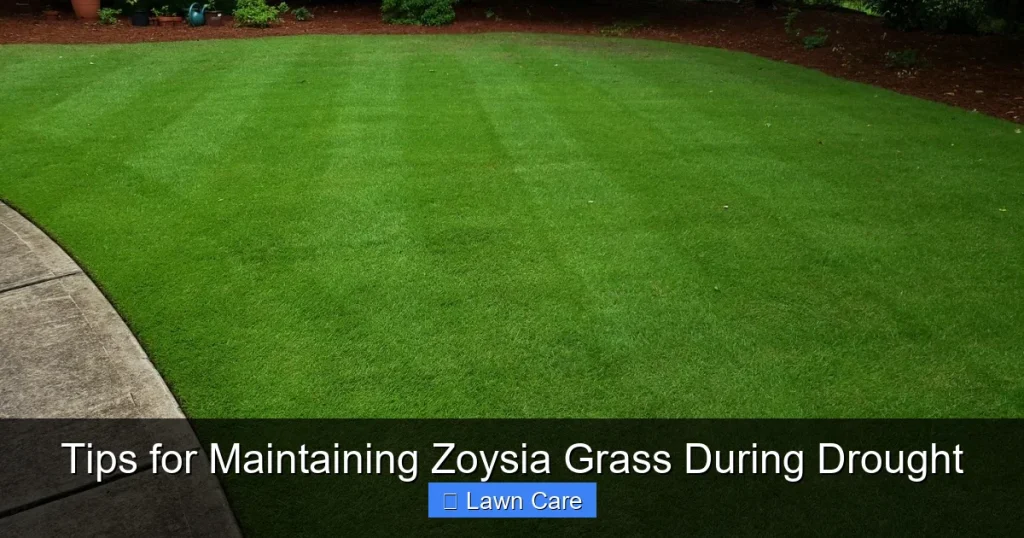
Don’t let a drought turn your beautiful Zoysia grass brown and lifeless! This guide provides essential tips to help your lawn survive and thrive during dry spells. Learn how to water effectively, adjust your mowing habits, and support your Zoysia grass’s resilience.
Droughts can be a gardener’s worst nightmare, especially when you’ve put so much effort into creating a beautiful, green lawn. If you’re a Zoysia grass owner, you know how resilient this turf can be, but even the toughest grasses need a little extra help when water becomes scarce. Zoysia grass, known for its dense growth and ability to withstand heat, can still suffer during prolonged dry periods. Understanding how to properly care for your Zoysia lawn during a drought is crucial to keeping it healthy and vibrant, or at least helping it recover quickly once the rains return.
Many homeowners worry when they see their Zoysia grass start to turn a straw-like brown. This is often a natural response called dormancy, where the grass conserves its energy. However, with the right strategies, you can mitigate the effects of drought and help your Zoysia grass bounce back faster. This article is your comprehensive guide to maintaining Zoysia grass during drought, covering everything from watering techniques to essential lawn care practices. We’ll walk you through how to keep your lawn as healthy as possible when the skies aren’t cooperating.
### Understanding Zoysia Grass and Drought Tolerance
Before diving into specific tips, it’s helpful to understand why Zoysia grass is often recommended for drier climates. Zoysia grass is a warm-season perennial grass that forms a dense, wear-resistant turf. Its deep root system is one of its key strengths, allowing it to access moisture from deeper in the soil than many other grasses. This characteristic makes it inherently more drought-tolerant than cool-season grasses. However, this tolerance has limits. Prolonged periods without significant rainfall, especially coupled with high temperatures and wind, can deplete its stored reserves. It’s important to remember that while Zoysia is drought-tolerant, it’s not drought-proof. Understanding its natural resilience is the first step to effective drought management. For more on its suitability, you might find it helpful to read about the pros and cons of choosing Zoysia grass for your lawn.
### Strategic Watering: The Cornerstone of Drought Maintenance
When it comes to maintaining Zoysia grass during a drought, watering is paramount. However, it’s not just about how much water you apply, but how and when you apply it. The goal is to encourage deep root growth and minimize water loss through evaporation.
When to Water
The best indicator that your Zoysia grass needs water is when its color begins to dull or change from its typical green to a grayish-green. You might also see footprints remain visible on the lawn long after you’ve walked on it, indicating the grass blades lack the moisture to spring back. Watering early in the morning, between 4 AM and 10 AM, is ideal. This allows the water to soak into the soil before the heat of the day causes significant evaporation. Watering in the evening can also be effective, but it increases the risk of fungal diseases due to prolonged leaf wetness. Avoid watering during the hottest part of the day.
How to Water
The key principle for watering drought-stricken Zoysia grass is to water deeply and infrequently. Instead of light, frequent sprinklings, aim for thorough saturation. This encourages the grass’s roots to grow deeper in search of moisture, making the lawn more resilient to future dry spells. For established Zoysia lawns, this typically means applying about 1 inch of water per week. You can measure this by placing a rain gauge or a few empty tuna cans on the lawn while you water. The goal is for the water to penetrate the soil to a depth of 4-6 inches.
Watering Restrictions
Always be mindful of local water restrictions. Many municipalities implement watering bans or schedule specific watering days during droughts. If you are under strict restrictions, focus on the times you are allowed to water and prioritize essential areas like your Zoysia lawn. It might be tempting to water every day, but this can be detrimental. Stick to the deep watering principle as much as your restrictions allow. For best practices specific to summer, consult our guide on best practices for watering Zoysia grass in summer.
Adjusting Your Mowing Routine for Drought Conditions
Mowing is a necessary part of lawn maintenance, but during a drought, it needs to be adjusted to support your Zoysia grass’s health. The wrong mowing practices can exacerbate stress and lead to further damage.
Mow Higher
One of the most effective drought-fighting strategies is to raise your mower’s cutting height. For Zoysia grass, this means setting your mower to its highest setting, typically around 2.5 to 3.5 inches. Taller grass blades provide shade for the soil, which helps to reduce evaporation and keeps the soil cooler. It also encourages deeper root development. Longer blades also have more surface area for photosynthesis, helping the grass to better manage its energy reserves during stress.
Mow Less Frequently
When grass growth slows down due to drought, you won’t need to mow as often. Mow only when the grass reaches about one-third taller than your desired height. Over-mowing during a drought can stress the grass by removing too much of its leaf surface, which is crucial for photosynthesis and water conservation.
Keep Blades Sharp
Dull mower blades tear grass blades rather than cutting them cleanly. This creates ragged edges that lose moisture more quickly and are more susceptible to disease. Ensure your mower blades are sharpened regularly, especially before the drought season hits. A clean cut heals faster and helps the grass retain its vitality.
Leave the Grass Clippings (Mulching)**
During a drought, it’s generally a good idea to leave the grass clippings on the lawn. These clippings act as a natural mulch, helping to retain soil moisture and providing a small amount of nutrients as they decompose. Ensure you are not leaving excessively large clumps that can smother the grass. This practice aligns with healthy mowing habits, and our article on how to mow Zoysia grass for healthier growth provides further insights.
The Role of Soil Health in Drought Resilience
Healthy soil is the foundation of a resilient lawn, especially during drought. Soil that can effectively absorb and retain water will better support your Zoysia grass.
Aeration
Compacted soil is a major enemy of healthy turf, especially during drought. Aeration involves creating small holes in the soil, which allows water, air, and nutrients to penetrate more easily to the root zone. This is particularly important if you have heavy clay soil. Performing core aeration before a drought period begins can significantly improve your lawn’s ability to withstand dry conditions.
Dethatching
A thick layer of thatch (dead grass stems and roots) can act like a sponge that repels water, preventing it from reaching the soil. While some thatch is beneficial, excessive thatch can hinder water absorption. Dethatching, or power raking, removes this layer, allowing water to reach the soil more effectively. It’s best to dethatch Zoysia grass when it’s actively growing, usually in late spring or early summer, before a severe drought sets in.
Soil Type and Amendments
The type of soil you have significantly impacts water retention. Sandy soils drain quickly, while clay soils can become waterlogged but also bake hard during drought. Zoysia grass prefers well-draining soil, and understanding what type of soil is best for growing Zoysia grass can help you make informed decisions. If you have poor soil, consider amending it with organic matter. Compost is an excellent soil amendment that improves both drainage in clay soils and water retention in sandy soils.
What NOT to Do During a Drought
Just as important as knowing what to do during a drought is knowing what to avoid. Certain common lawn care practices can actually harm your Zoysia grass when it’s already under stress.
Avoid Fertilizing
This is a crucial point. Fertilizing during a drought is generally not recommended. Fertilizer, especially nitrogen-rich types, encourages rapid green growth. This new growth requires a lot of water and can put immense stress on a lawn that is already struggling to find moisture. If you were planning to fertilize, postpone it until the drought has ended and your lawn has recovered. If you must fertilize, use a very light application of a slow-release fertilizer and water it in thoroughly, but it’s usually best to wait. For guidance on fertilization timing, check out when and how to fertilize Zoysia grass for best results.
Avoid Heavy Foot Traffic
Limit activities on your Zoysia lawn as much as possible during a drought. Foot traffic, especially on dry, stressed grass, can damage the delicate blades and compact the soil. This means avoiding parties, sports, or even excessive pet play on the lawn until conditions improve.
Don’t Panic if it Turns Brown
As mentioned earlier, Zoysia grass has a natural dormancy cycle. When water is scarce, it will often turn brown and appear dead. This is a survival mechanism. The grass is not dead; its roots are still alive and waiting for moisture. Resist the urge to overwater or engage in drastic measures. Once sufficient rain returns, your Zoysia lawn will typically green up again.
Dealing with Pests and Diseases
Stressed lawns, including Zoysia grass during a drought, become more vulnerable to pests and diseases. It’s important to be vigilant.
Monitor for Signs of Trouble
Regularly inspect your lawn for any unusual spots, discoloration, wilting, or insect activity. Drought-stressed Zoysia grass can be susceptible to grubs, chinch bugs, and certain fungal diseases like brown patch. Early detection is key to managing these problems effectively.
Integrated Pest Management (IPM)
If you identify pests, consider using integrated pest management strategies. This often involves a combination of cultural practices, biological controls, and, as a last resort, targeted pesticide applications. For instance, improving soil health through aeration can naturally make the lawn more resistant to some pests.
Water Wisely for Disease Prevention
While you’re conserving water, remember that some diseases thrive in overly dry conditions, while others are exacerbated by excessive moisture. Stick to the deep, infrequent watering schedule to promote healthy growth without creating an environment conducive to disease. If you notice a specific disease, research the best course of action for Zoysia grass.
### Embracing Dormancy and Recovery
One of the most important lessons in managing Zoysia grass during a drought is to understand and accept its natural ability to go dormant. Dormancy is not death; it’s a protective state.
What Dormancy Looks Like
When Zoysia grass enters dormancy, it loses its green color and turns a straw-like brown. The leaf blades may also wilt and curl. This is the grass’s way of conserving energy and moisture. The underground roots and rhizomes remain alive and can survive for extended periods without water.
Allowing for Recovery
Once drought conditions ease and rainfall becomes more consistent, your Zoysia grass should begin to recover. Avoid the temptation to over-fertilize or over-water immediately, as this can shock the recovering grass. Continue with your adjusted watering schedule, watering deeply when needed, and gradually return to your normal mowing practices as the grass regains its vigor. This recovery period is a testament to Zoysia’s toughness.
Post-Drought Care
After the drought breaks, assess the overall health of your lawn. You might need to overseed small bare patches if any occurred. A light application of a balanced fertilizer in the fall can help the grass recover its strength before winter. For specific advice on fall care, consider reviewing how to prepare Zoysia grass for winter dormancy.
### Conclusion: A Resilient Lawn Through Tough Times
Maintaining Zoysia grass during a drought requires patience, observation, and a proactive approach. By understanding its natural resilience, implementing smart watering strategies, adjusting your mowing habits, and focusing on soil health, you can significantly increase your lawn’s chances of survival and a speedy recovery. Remember that Zoysia grass is a hardy and beautiful choice for many landscapes, and with the right care, it can weather even the harshest dry spells. Embrace dormancy as a natural protective mechanism, and don’t be afraid to let your lawn rest when it needs to. With these tips, your Zoysia lawn will be well-equipped to face the challenges of drought and return to its lush glory once the rains return.
Key Takeaways
- Water deeply and infrequently: Encourage deep root growth by watering thoroughly when needed, rather than shallow, frequent watering.
- Mow higher: Raising your mower blade shades the soil, reduces evaporation, and helps the grass retain moisture.
- Avoid fertilizing during drought: Fertilizing stresses an already struggling lawn; focus on water and essential care.
- Aeration and dethatching are key: These practices improve water penetration and reduce thatch buildup, which can hinder moisture absorption.
- Monitor for pests and diseases: Stressed grass is more vulnerable, so be vigilant for any signs of trouble.
- Embrace dormancy: Zoysia grass is designed to go dormant under stress, turning brown temporarily. This is a survival mechanism, not a death sentence.
Quick Answers to Common Questions
When should I water my Zoysia grass during a drought?
Water your Zoysia grass early in the morning, between 4 AM and 10 AM, to minimize evaporation. Look for signs of stress like a dulling color or footprints that remain visible.
How often should I mow my Zoysia grass during a drought?
Mow your Zoysia grass less frequently during a drought. Only mow when the grass has grown about one-third taller than your desired height, and always mow at a higher setting.
Is it okay for my Zoysia grass to turn brown during a drought?
Yes, it is normal for Zoysia grass to turn brown and go dormant during a drought. This is a natural survival mechanism, and the grass will typically recover once sufficient water is available.
Should I fertilize my Zoysia grass during a drought?
No, it is generally not recommended to fertilize Zoysia grass during a drought. Fertilizer encourages new growth that requires water, which will further stress an already dry lawn.
How can I improve my soil’s ability to retain water for my Zoysia grass?
Improve soil water retention by aerating the lawn to allow better water penetration and by dethatching to remove excess thatch that can block water. Amending the soil with organic matter like compost is also beneficial.
Frequently Asked Questions
What are the first signs my Zoysia grass needs water?
The first signs usually include a dulling or grayish-green color, and the grass blades may not spring back immediately after being walked on, leaving visible footprints.
Can I water my Zoysia grass with a sprinkler system during a drought?
Yes, you can use a sprinkler system, but ensure it’s programmed for deep, infrequent watering during permitted times. Adjust the system to apply about 1 inch of water per week, penetrating the soil deeply.
How long can Zoysia grass stay dormant during a drought?
Zoysia grass can remain dormant for several weeks or even months, depending on the severity and duration of the drought. Its root system can survive for a long time without water.
What is the ideal mowing height for Zoysia grass during a drought?
During a drought, raise your mower’s cutting height to the highest setting, typically between 2.5 and 3.5 inches. Taller grass provides shade for the soil and reduces moisture loss.
Should I be concerned about pests when my Zoysia grass is dormant?
Yes, drought-stressed and dormant lawns can be more susceptible to certain pests like chinch bugs and grubs. Regularly inspect your lawn for any signs of infestation.
When should I resume normal lawn care practices after a drought?
Once consistent rainfall returns and your Zoysia grass shows signs of recovery (greening up and regaining vigor), you can gradually transition back to your regular watering and mowing schedules.