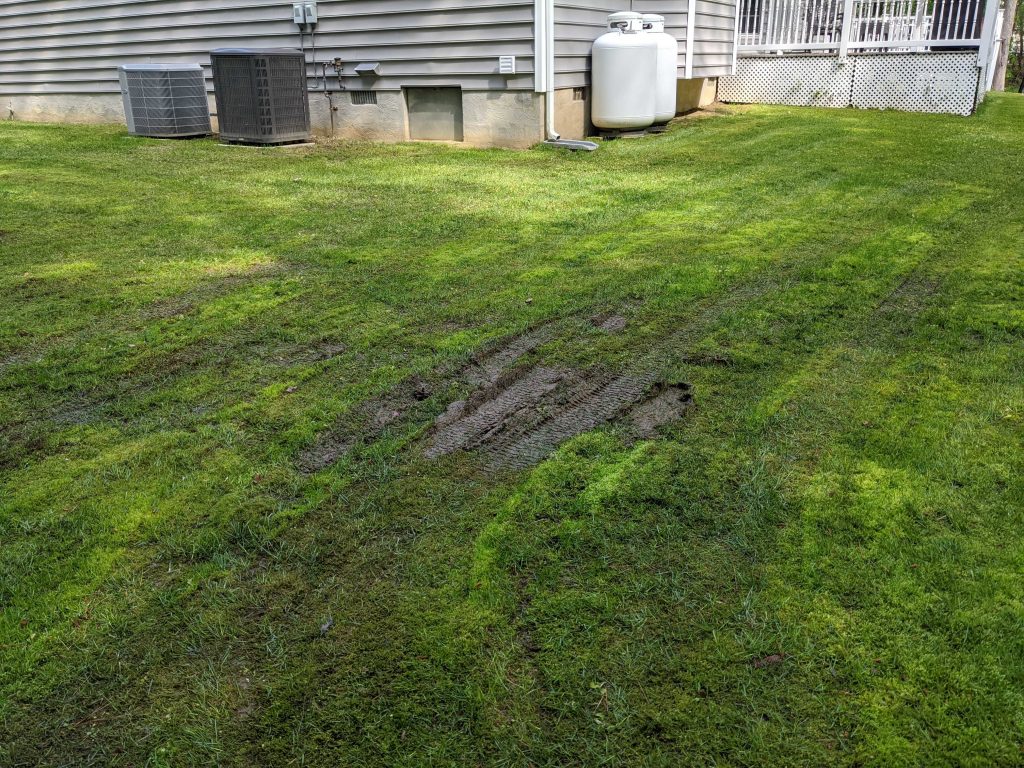
Quick Answer: Your grass may be consistently wet and muddy due to poor drainage, excessive watering, compacted soil, or low sunlight exposure. These factors can create an environment that retains moisture and prevents proper evaporation.
Have you ever walked across your lawn only to find that your feet sink into wet and muddy grass? It can be frustrating and a challenge to maintain a healthy lawn in these conditions. In this article, we will explore the possible reasons behind why your grass is always wet and muddy, and offer some solutions to help you restore a dry and healthy lawn.
The presence of excessive moisture in your grass can be attributed to several factors. Poor drainage is one of the most common culprits. When the soil does not have sufficient drainage pathways, water accumulates on the surface, leading to a perpetually wet and muddy lawn.
Another possible cause is overwatering. While giving your grass enough water is essential for its health, too much water can lead to waterlogged soil, making it difficult for the excess water to evaporate.
Compacted soil is another potential reason behind the persistent moisture in your grass. When the soil becomes compacted, it prevents proper water penetration and encourages water to sit on the surface, resulting in wet and muddy conditions.
Finally, inadequate sunlight exposure can contribute to a perpetually moist lawn. Lack of sunlight inhibits evaporation, causing water to linger on the grass for longer periods.
To address these issues, it is crucial to improve drainage by adding drainage pipes or creating channels for excess water to flow away. Additionally, watering your lawn properly will help prevent overwatering and subsequent waterlogging. Regular aeration can help combat soil compaction, allowing water to penetrate more effectively. Finally, consider pruning trees or bushes that may be blocking sunlight and hindering evaporation.
By identifying and addressing the root causes of your wet and muddy grass, you can work towards restoring a healthy and dry lawn for your enjoyment. So, let’s dive into the details and find the solutions that best suit your specific situation.

Why is my grass always wet and muddy?
Have you ever wondered why your grass seems to be constantly wet and muddy, no matter the weather or time of year? It can be frustrating to have a soggy lawn that never seems to dry out, making it difficult to enjoy outdoor activities or maintain a healthy lawn. In this article, we will explore the various factors that can contribute to consistently wet and muddy grass and provide insights into solutions that can help you transform your lawn into a drier and more enjoyable space.
1. Poor Drainage System
One of the primary reasons why your grass may stay perpetually wet and muddy is a poor drainage system. When your lawn lacks proper drainage, water can accumulate and saturate the soil, leading to excessive moisture levels. This can be caused by a variety of factors, including:
- Insufficient slope: If your lawn is relatively flat or has a gentle slope, water may struggle to drain away effectively.
- Compacted soil: Compacted soil prevents water from percolating into the ground, causing it to pool on the surface.
- Clay soil: Clay soil has a dense composition, making it less porous and more prone to retaining water.
- Blocked or inadequate drainage systems: Clogged or improperly installed drainage systems can hinder the flow of water, leading to water accumulation on the surface.
To address poor drainage, consider the following solutions:
- Improve the slope: If your lawn is relatively flat, you may need to modify the landscape to create a gentle slope that encourages water runoff.
- Aerate the soil: By aerating the soil, you can alleviate compaction and enhance water infiltration.
- Amend the soil: If you have clay soil, adding organic matter such as compost can improve its structure and drainage capabilities.
- Inspect and maintain drainage systems: Regularly inspect and clear any blockages in your drainage systems, ensuring they are functioning optimally.
2. Excessive Rainfall or Overwatering
Another factor that can contribute to perpetual wetness and muddiness is excessive rainfall or overwatering. While we have little control over rainfall, it’s important to understand how it affects your lawn. Additionally, overwatering the grass can lead to similar outcomes. When the soil becomes oversaturated, water cannot drain away efficiently, resulting in a constantly waterlogged lawn.
To mitigate the effects of excessive rainfall or overwatering, consider these strategies:
- Monitor weather conditions: Stay informed about the weather forecast to anticipate heavy rainfall. Adjust your watering schedule accordingly to avoid compounding moisture issues.
- Utilize rain barrels or diverters: Collect excess rainwater using rain barrels to reduce the amount of water that reaches your lawn.
- Install a rain sensor: A rain sensor can automatically shut off your irrigation system during rainfall, preventing overwatering.
- Water deeply but infrequently: Instead of frequent light watering, water deeply and less frequently to encourage stronger root growth and reduce the risk of waterlogging.
3. Shade and Lack of Sunlight
If your lawn is situated in a shaded area with limited sunlight exposure, it can contribute to excessive moisture. Grass needs sunlight to photosynthesize and dry out properly. In shaded areas, the lack of direct sunlight can lead to slower evaporation, which in turn can cause perpetually wet conditions.
To address shade-related moisture issues, consider the following options:
- Trim back overhanging branches: Prune or trim back nearby trees or shrubs to allow more sunlight to reach your lawn.
- Choose shade-tolerant grass species: Opt for grass varieties that are better suited to shaded environments. These species can withstand lower light levels and are less prone to excessive moisture retention.
- Consider alternative landscaping options: If the area remains persistently shaded, you may need to explore alternative landscaping options such as installing shade-tolerant ground cover or creating a patio or deck.
4. Poor Soil Conditions
The quality of your soil can greatly impact its ability to drain excess moisture. If your soil composition is not conducive to proper drainage, it can result in a wet and muddy lawn. Some soil conditions that contribute to poor drainage include:
- Compacted soil: Soil compaction restricts water movement, causing it to pool on the surface.
- High clay content: As mentioned earlier, clay soil has a dense composition, making it prone to water retention.
- High silt content: Similarly, soil with a high silt content can become compacted and waterlogged.
To improve soil conditions and promote better drainage, consider these steps:
- Aerate the soil: Regularly aerate your lawn to alleviate compaction and improve water infiltration.
- Amend the soil: Add organic matter such as compost or peat moss to enhance the soil’s structure and drainage capabilities.
- Consider raised beds or containers: If the soil quality in your yard is consistently poor, you may want to consider creating raised beds or using containers filled with well-draining soil.
5. Undersized or Damaged Gutters
The condition and functionality of your gutters can also impact the moisture levels in your lawn. If your gutters are undersized or damaged, they may not effectively divert water away from your property, leading to excessive runoff onto your lawn. This continuous water flow can create persistently wet and muddy conditions.
To address gutter-related moisture issues, consider these solutions:
- Inspect and clean your gutters regularly: Remove any debris or blockages that may impede water flow through the gutters.
- Repair or replace damaged gutters: If your gutters are damaged or leaking, repair or replace them to ensure proper water diversion.
- Install gutter extensions or downspout diverters: Redirect water away from your lawn by installing extensions or diverters on your downspouts.
Consistently wet and muddy grass can be a nuisance, but understanding the underlying causes can help you address and mitigate the issue. By improving drainage, monitoring water usage, addressing shade and sunlight limitations, enhancing soil conditions, and maintaining gutters, you can transform your lawn into a drier, healthier, and more enjoyable outdoor space. Remember to consider the specific characteristics of your lawn and choose the most appropriate solutions accordingly. By implementing these strategies, you’ll be on your way to a drier and more inviting lawn that you can fully enjoy.
How to Manage a MUDDY YARD
Frequently Asked Questions
Why is my grass always wet and muddy?
There can be several reasons why your grass is consistently wet and muddy. Here are some possible explanations:
What role does poor drainage play in making the grass wet and muddy?
Poor drainage is a common culprit for persistently wet and muddy grass. When the soil cannot effectively absorb or drain water, it can result in excess moisture on the surface, leading to wet and muddy conditions.
How does overwatering contribute to a wet and muddy lawn?
Overwatering can saturate the soil, causing it to become excessively wet and creating muddy conditions on the grass. Watering in excess of what is necessary for the grass’s health can overwhelm the soil’s capacity to absorb and drain the water properly.
Can compacted soil cause my grass to be wet and muddy?
Absolutely. Compacted soil prevents proper water penetration and drains poorly, resulting in a perpetually wet and muddy lawn. Heavy foot traffic, machinery, or even excessive rainfall can compact the soil, exacerbating the issue.
Is poor lawn grading a potential reason behind my perpetually wet and muddy grass?
Yes, poor lawn grading is another possible cause. If the ground is not properly leveled or has uneven slopes, water can accumulate in certain areas, leading to wet and muddy patches in the grass.
Can excessive thatch contribute to wet and muddy conditions on my lawn?
Excessive thatch, a layer of dead grass and debris between the soil and the healthy grass blades, can impede proper moisture absorption and drainage. This can result in excessive moisture buildup and muddy areas on your lawn.
Final Thoughts
Is your grass always wet and muddy? There are several factors that may be causing this issue. Poor drainage is often the culprit, especially if your lawn is on a slope or the soil is heavy clay. Compacted soil can also prevent water from being absorbed properly. Overwatering or irrigation problems can contribute to the problem as well. Additionally, shade can prevent grass from drying out and create a damp environment. To address this, consider improving drainage, aerating the soil, moderating watering, and trimming back overhanging trees or bushes. By addressing these issues, you can prevent your grass from remaining wet and muddy.