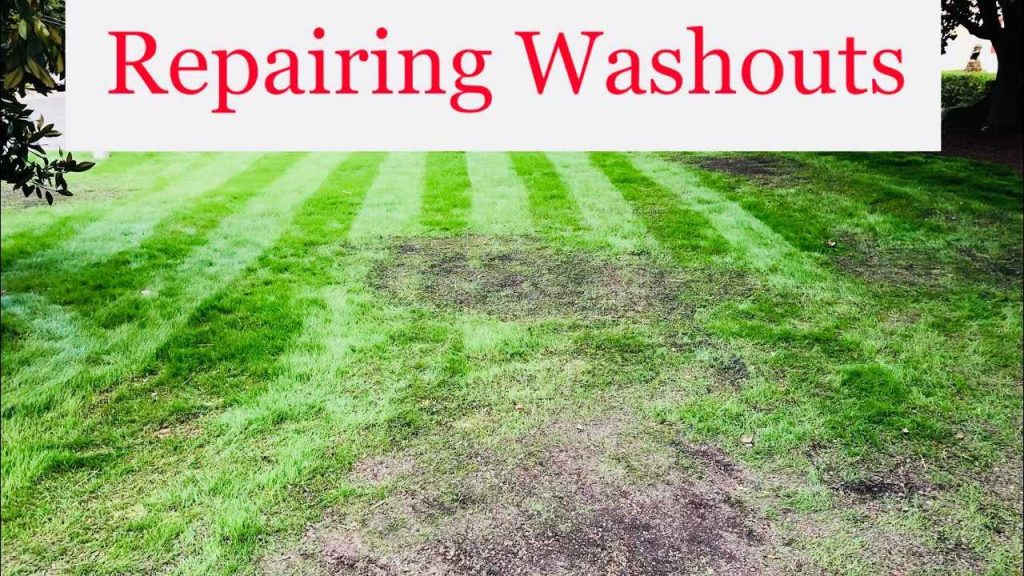
Quick Answer: To make your lawn less muddy, you can take several steps such as improving drainage, aerating the soil, adding organic matter, and reseeding bare patches.
Muddy lawns can be a frustrating problem for homeowners, especially during the rainy season. The constant dampness and squishy ground not only make it difficult to enjoy your outdoor space but can also lead to the destruction of your grass. However, with a little effort and some simple techniques, you can transform your muddy lawn into a lush and green oasis.
The key to tackling the issue lies in improving the drainage of your lawn. When the water doesn’t have anywhere to go, it accumulates on the surface, creating muddy patches. One effective solution is to install a French drain or channel drain to redirect excess water away from your lawn. Additionally, you can consider aerating the soil using a garden fork or aerator to alleviate compaction and improve water absorption.
To further enhance your soil’s drainage capabilities, adding organic matter like compost or well-rotted manure can work wonders. Organic matter improves the soil structure, allowing for better water movement and root development. Spread a layer of compost across your lawn and rake it in thoroughly.
Reseeding bare patches is crucial to prevent mud from forming. Choose grass seed that is suitable for your lawn type and climate. Prepare the bare patches by loosening the soil, scattering the seeds evenly, and lightly raking them in. Regularly water the newly seeded areas until they are established.
By implementing these techniques, you can bid farewell to the muddy mess and welcome a healthier, happier lawn that can be enjoyed all year round. So, let’s dive into the details and learn how to make your lawn less muddy.

How to Make Your Lawn Less Muddy
Introduction
A beautifully manicured lawn can be a source of pride for any homeowner. However, if your lawn is constantly muddy, it can become a hassle and an eyesore. Muddy lawns can make it difficult to walk, play, or even enjoy outdoor activities. Fortunately, there are several steps you can take to make your lawn less muddy. In this article, we will explore various strategies and techniques to help you combat muddy lawns, so you can reclaim your outdoor space and enjoy a lush, green lawn all year round.
Understanding the Causes of a Muddy Lawn
Before we dive into the solutions, it’s important to understand the underlying causes of a muddy lawn. This knowledge will help you address the root of the problem and prevent it from recurring. The main culprits behind a muddy lawn include:
- Poor drainage
- Compacted soil
- Excessive foot traffic
- Overwatering
- Improper grading
Poor Drainage
Poor drainage is often the leading cause of a muddy lawn. When the soil in your yard doesn’t drain properly, excess water accumulates and turns the lawn into a muddy mess. This issue can be exacerbated by heavy rainfalls or a high water table. Improving the drainage system of your lawn is crucial for preventing mud formation.
Compacted Soil
Compacted soil prevents water from penetrating deep into the ground, leading to surface runoff and muddy conditions. High foot traffic, heavy machinery, or even inadequate aeration practices can contribute to soil compaction. Loosening the soil and improving its structure is essential to prevent mud formation.
Excessive Foot Traffic
Areas with high foot traffic, such as pathways or play areas, are more prone to becoming muddy. Regularly walking or playing on the same spot can compress the soil and create excessive mud. Implementing strategies to divert foot traffic or introducing hardier grass varieties can help mitigate this problem.
Overwatering
While proper irrigation is essential for maintaining a healthy lawn, overwatering can lead to excessive moisture and muddy conditions. Understanding the water requirements of your grass type and adjusting your watering practices accordingly can prevent mud formation.
Improper Grading
Inadequate grading or sloping of your lawn can contribute to water pooling in certain areas, leading to muddy patches. Properly grading your yard ensures that water drains away from your lawn, preventing mud formation and encouraging healthy grass growth.
Strategies to Make Your Lawn Less Muddy
Improve Drainage
To address poor drainage, consider implementing the following measures:
- Install a French drain: A French drain is a trench filled with gravel or perforated pipe that redirects excess water away from your lawn.
- Create a swale: A swale is a shallow, vegetated trench that helps collect and redirect water runoff.
- Build a dry well: A dry well is an underground structure that collects and slowly releases excess water.
Loosen Compacted Soil
To improve soil compaction and enhance drainage, try the following techniques:
- Aerate your lawn: Core aeration involves removing plugs of soil from your lawn, allowing air, water, and nutrients to penetrate deep into the ground.
- Use a garden fork: Use a garden fork or similar tool to manually loosen compacted areas of soil.
- Add organic matter: Incorporating compost or other organic matter into the soil can help improve its structure and drainage.
Reduce Foot Traffic
To minimize the impact of foot traffic on your lawn, consider the following strategies:
- Designate walkways: Create clearly defined walkways using stepping stones, pavers, or mulch to direct foot traffic away from sensitive areas.
- Create play areas: Designate specific areas for playing to concentrate foot traffic and protect the rest of your lawn.
- Consider alternative surfaces: Utilize other materials, such as artificial turf or gravel, for heavy foot traffic areas to prevent muddy conditions.
Adjust Your Watering Practices
To prevent overwatering and reduce muddy conditions, follow these suggestions:
- Water deeply and infrequently: Instead of frequent shallow watering, water your lawn deeply but less frequently to encourage deep root growth.
- Use a rain gauge or moisture sensor: Install a rain gauge or moisture sensor to help monitor and regulate the amount of water your lawn receives.
- Water in the early morning: Watering your lawn in the early morning allows the grass to dry throughout the day, reducing the risk of mud formation.
Grade Your Lawn Properly
To ensure proper grading of your lawn, consider the following steps:
- Consult a professional: If you’re unsure about the correct grading of your lawn, consult a professional landscaper or soil engineer for expert advice.
- Reshape the terrain: Use topsoil or fill dirt to modify the shape of your yard, creating gentle slopes away from your home and low-lying areas.
Muddy lawns can be a source of frustration and inconvenience. However, by addressing the underlying causes and implementing the strategies outlined in this article, you can transform your muddy lawn into a verdant oasis. Improving drainage, loosening compacted soil, reducing foot traffic, adjusting watering practices, and properly grading your lawn are all essential steps toward achieving a mud-free and beautiful outdoor space. With a little effort and the right strategies, you can enjoy a lush, green lawn all year round.
How to Manage a MUDDY YARD
Frequently Asked Questions
How can I make my lawn less muddy?
Excessive mud on your lawn can make it difficult to enjoy outdoor activities and also lead to damage. Here are some effective ways to reduce mud on your lawn:
1. How can I improve drainage in my lawn?
To improve drainage, you can take the following steps:
- Aerate the soil to allow better water absorption.
- Install a French drain or underground drainage system to redirect water away from the lawn.
- Amend the soil with organic matter like compost to improve its structure and drainage capabilities.
2. Is it helpful to add topsoil to a muddy lawn?
Adding topsoil can be beneficial for reducing mud on your lawn. It helps to level the surface and improve drainage. Spread a layer of topsoil over the muddy areas, then rake and level it. This will help absorb excess water and reduce mud formation.
3. How frequently should I mow my lawn to prevent mud?
Mowing your lawn at the proper height and frequency is important for mud prevention. Set your mower blades to a higher position, as longer grass can help absorb water and minimize mud. Aim to mow regularly, as infrequent mowing can lead to overgrown grass, poor drainage, and ultimately more mud.
4. Can planting grass varieties resistant to wet conditions help?
Yes, planting grass varieties that are well-suited to wet or damp conditions can significantly reduce mud issues. Consider species like fescue or ryegrass, as they have better tolerance for moisture. Additionally, check with local experts or garden centers for grass recommendations specific to your region.
5. Should I install stepping stones or a pathway in muddy areas?
Creating a designated pathway or installing stepping stones in muddy areas can be a practical solution. This helps redirect foot traffic and prevents soil compaction, which contributes to mud formation. Choose durable materials like gravel, stepping stones, or pavers that can withstand heavy use and provide stable footing.
6. How can I minimize water runoff onto my lawn?
Reducing water runoff is essential for preventing muddy conditions. Here are a few tips:
- Redirect downspouts away from the lawn or install rain barrels to collect rainwater.
- Grade your lawn to ensure that water flows away from low-lying areas.
- Create rain gardens or swales to capture and absorb excess water.
Final Thoughts
To make your lawn less muddy, start by assessing the drainage in your yard. Ensure that the slope of the land properly directs water away from the lawn. Consider adding a French drain or installing a dry well to help manage excess water. Another solution is to aerate the lawn regularly to improve soil compaction and water absorption. Additionally, using an appropriate grass seed mix for your region and planting grass that is known to tolerate wetter conditions can help prevent mud buildup. Regularly raking or removing leaves and debris from your lawn can also aid in maintaining a drier surface. By implementing these strategies, you can transform your muddy lawn into a more enjoyable outdoor space.