Choosing between Tiftuf Bermuda and Zoysia grass involves understanding their unique strengths and weaknesses for your specific climate and lawn care habits. Tiftuf Bermuda excels in heat and drought tolerance with rapid recovery, while Zoysia offers superior shade tolerance and a dense, weed-resistant carpet. Both are warm-season grasses, making them ideal for southern climates, but your final decision hinges on factors like sunlight, traffic, and desired maintenance.
So, you’re looking to give your lawn a serious upgrade, aiming for that lush, green carpet that makes the neighbors green with envy. That’s fantastic! But the journey to a perfect lawn often starts with a big question: what type of grass should you choose? Two popular contenders that consistently pop up are Tiftuf Bermuda and Zoysia. They’re both warm-season grasses, meaning they love the heat, but they each have their own quirks and charms.
Deciding between Tiftuf Bermuda and Zoysia isn’t a one-size-fits-all situation. It really depends on your specific yard, your climate, how much sun your lawn gets, and even how much foot traffic it can expect. We’re going to dive deep into what makes each of these grasses tick, so by the end of this, you’ll feel confident making the right choice for your slice of paradise. Let’s get started!
## Understanding Warm-Season Grasses
Before we pit Tiftuf Bermuda against Zoysia, it’s helpful to understand what warm-season grasses are all about. These grasses are native to regions with hot summers and mild winters. They flourish when temperatures are consistently warm, typically between 80°F and 95°F (27°C to 35°C). In cooler months, they go dormant, turning brown. This makes them ideal for the southern United States, Australia, and other similar climates. If you live in a region with harsh, freezing winters, these grasses might not be your best bet unless you’re willing to overseed with a cool-season grass for winter color.
It’s crucial to know that when you’re selecting a grass type, you’re setting the foundation for your entire lawn care strategy. A good choice can make subsequent steps like watering, fertilizing, and mowing much easier. Understanding the different types of grass and choosing the right one for your lawn is the first, and perhaps most important, step.
## Tiftuf Bermuda: The Resilient Champion
Tiftuf Bermuda is a relatively new hybrid Bermuda grass that has quickly gained a reputation for its incredible toughness and resilience. Developed by the University of Georgia, it’s bred to withstand the stresses of tough environments. If your lawn faces extreme heat, drought, or heavy wear and tear, Tiftuf might be calling your name.
### Key Characteristics of Tiftuf Bermuda
* Drought Tolerance: This is where Tiftuf truly shines. It has exceptional drought tolerance, meaning it can survive long periods without water. When it does get water again, it recovers remarkably fast. This is a huge plus for homeowners in arid or drought-prone regions.
* Heat Tolerance: Like all Bermuda grasses, Tiftuf loves the heat. It thrives in full sun and can handle the hottest summer days without wilting or struggling.
* Wear Tolerance: If you have kids, pets, or just enjoy outdoor activities in your yard, Tiftuf Bermuda is a great option. It has excellent recuperative potential, meaning it can quickly grow back from divots and compacted areas caused by foot traffic.
* Sunlight Needs: Tiftuf Bermuda requires full sun to perform at its best. It needs at least 6-8 hours of direct sunlight per day. If your lawn is heavily shaded, Tiftuf might struggle to establish and maintain a dense turf.
* Disease and Pest Resistance: Tiftuf Bermuda generally shows good resistance to common lawn diseases and pests, which can save you a lot of headaches and treatment costs.
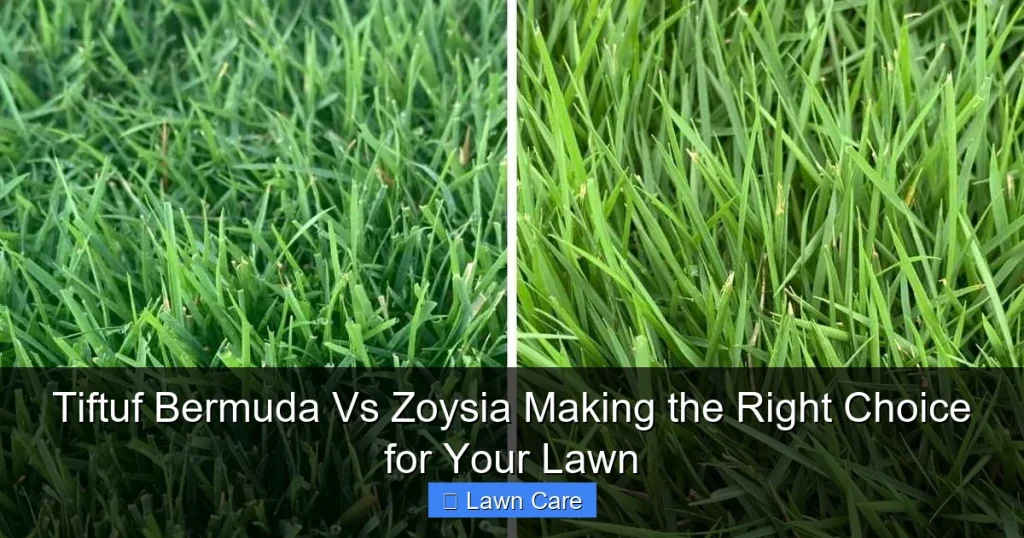
* Texture and Color: It has a fine to medium leaf texture and a vibrant, dark green color that’s very attractive during the growing season.
### Pros of Tiftuf Bermuda
* Superior drought resistance: Saves water and reduces the need for constant watering.
* Fast recovery: Bounces back quickly from damage, drought, and heavy traffic.
* Excellent heat tolerance: Thrives in hot summer conditions.
* Good weed suppression: Its aggressive growth helps choke out weeds.
* Visually appealing: Offers a dense, attractive green lawn.
### Cons of Tiftuf Bermuda
* Requires full sun: Struggles in shady areas.
* Can be susceptible to grubs: While generally resistant, grubs can sometimes be an issue.
* May require more frequent mowing: Due to its aggressive growth, you might find yourself mowing more often, especially during peak season. For Tiftuf Bermuda, understanding what is the best mowing height for Bermuda grass can make a big difference in its health.
## Zoysia Grass: The Dense, Low-Maintenance Choice
Zoysia grass is another popular warm-season turfgrass known for its dense, carpet-like appearance and relatively low maintenance needs once established. It spreads via both rhizomes and stolons, creating a thick, interlocking mat that’s tough to penetrate, even for weeds.
### Key Characteristics of Zoysia
* Shade Tolerance: Compared to Bermuda grasses, Zoysia offers better shade tolerance. While it still prefers full sun, it can perform reasonably well in areas that receive at least 4-6 hours of sunlight per day. This makes it a more versatile choice for yards with varying sun exposure.
* Drought Tolerance: Zoysia is also quite drought-tolerant. It has a deep root system that allows it to access moisture deeper in the soil. However, its recovery from prolonged drought might not be as rapid as Tiftuf Bermuda.
* Weed Resistance: This is a major selling point for Zoysia. Its dense growth habit makes it incredibly difficult for weeds to establish. Once your Zoysia lawn is mature, you’ll likely spend far less time battling weeds. In fact, some homeowners find that Zoysia grass is a good choice for hot, dry climates precisely because it naturally resists invasive species.
* Traffic Tolerance: Zoysia is a tough grass that can handle moderate foot traffic. Its dense growth helps it recover from wear, though it might take a bit longer than Tiftuf Bermuda.
* Texture and Color: Zoysia varieties can range from fine to medium leaf textures. Many have a deep green color, offering a very aesthetically pleasing look.
* Slow Growth: While its density is a pro, Zoysia is a slower grower than Bermuda grasses. This means it can take longer to establish and fill in bare patches. This is something to consider if you’re looking for a quick lawn fix.
### Pros of Zoysia
* Excellent weed resistance: Forms a thick turf that smothers weeds.
* Good shade tolerance: More adaptable to partially shaded areas than Bermuda.
* Drought tolerant: Requires less water once established.
* Low maintenance: Generally needs less fertilization and watering than many other grasses.
* Dense, attractive turf: Creates a beautiful, uniform lawn.
### Cons of Zoysia
* Slow to establish: Takes longer to grow and fill in.
* Can be susceptible to grubs and chinch bugs: Like Tiftuf, it’s not entirely immune to pests.
* Can develop thatch: Its dense growth can lead to thatch buildup if not managed.
* Goes dormant in winter: Will turn brown in cold weather.
## Tiftuf Bermuda Vs. Zoysia: Head-to-Head Comparison
Let’s break down how these two grasses stack up against each other in key areas.
### Sunlight Requirements
* Tiftuf Bermuda: Needs full sun (6-8+ hours). If you have a lot of shade, look elsewhere.
* Zoysia: Prefers full sun but tolerates partial shade (4-6 hours). This makes Zoysia a more forgiving choice for yards with inconsistent sun.
### Drought Tolerance
* Tiftuf Bermuda: Exceptional. Recovers very quickly.
* Zoysia: Very good. Good deep root system, but recovery might be slower.
### Weed Resistance
* Tiftuf Bermuda: Good. Aggressive growth helps compete.
* Zoysia: Excellent. Extremely dense turf makes it hard for weeds to grow.
### Traffic Tolerance
* Tiftuf Bermuda: Excellent. Fast growth aids recovery.
* Zoysia: Good. Dense turf provides resilience.
### Establishment Speed
* Tiftuf Bermuda: Relatively fast.
* Zoysia: Slow. Requires patience.
### Maintenance
* Tiftuf Bermuda: Moderate. Benefits from tailored fertilization, like seeking out what is the best fertilizer for Bermuda grass 2. Needs regular mowing.
* Zoysia: Lower. Once established, it’s quite forgiving. Still needs mowing and occasional fertilization.
### Cold Tolerance
* Both: Both are warm-season grasses and will go dormant (turn brown) in cooler temperatures. Neither is suitable for areas with prolonged, hard freezes without special care.
## Making the Right Choice for Your Lawn
So, which one is right for you? It really boils down to your specific lawn conditions and how you envision your lawn functioning.
### Consider Your Climate and Sunlight
If you live in a region with very hot summers and potentially dry spells, both are good choices. However, if your yard has shady spots, Zoysia is likely the better option. If your lawn is bathed in sunshine all day, Tiftuf Bermuda will likely thrive. Always ensure you’re selecting a grass that matches your environment. Understanding how to choose the best grass type for your lawn is the first step.
### Think About Foot Traffic and Play
If you have a busy household with lots of outdoor activity, Tiftuf Bermuda’s superior recuperative ability makes it a strong contender. It can bounce back from rough play more quickly. Zoysia is also durable, but it might show wear a little longer before it fully recovers.
### Evaluate Your Maintenance Commitment
Both grasses require care, but Zoysia is often cited as being more “low-maintenance” once established, particularly regarding watering and weed control. Tiftuf Bermuda, while incredibly tough, might benefit from more specific fertilization and mowing schedules to truly excel. For Tiftuf, knowing what is the best weed killer for Bermuda grass can also be helpful for those rare instances.
### Aesthetics and Feel
Zoysia often creates a very fine, uniform, almost velvety texture. Tiftuf Bermuda is also beautiful, with a vibrant green color, but its texture might be perceived as slightly coarser depending on the specific variety and mowing height.
## Installation and Establishment Tips
Whether you choose Tiftuf Bermuda or Zoysia, proper installation is key. Both can be established from sod, seed (though Bermuda seed is more common for hybrid varieties), or plugs.
* Soil Preparation: Regardless of the grass type, ensure your soil is well-drained. Good soil structure is vital. If you have poor drainage, consider how to choose the right soil for new grass seed or explore options like core aeration for clay soil.
* Sod: Laying sod gives you an instant lawn. Make sure to water it thoroughly and consistently until it roots.
* Seed: If you opt for seeding, follow the recommended seeding rates and timing for your region. Overseeding is good for both the appearance and health of your lawn, especially if you have thin areas.
* Plugs: Plugs are small pieces of grass planted at intervals. This is a slower method but can be cost-effective.
Once established, remember to mow correctly. For Tiftuf Bermuda, the best mowing height can vary, but generally, keeping it a bit shorter than Zoysia promotes density. For both, proper mowing techniques, like knowing what is the best time to mow your lawn for healthy growth, will make a significant difference. And when it comes to fertilization, understanding what is the best fertilizer for Bermuda grass can give your Tiftuf the boost it needs.
## Conclusion
Choosing between Tiftuf Bermuda and Zoysia grass is a fantastic problem to have, as both are excellent warm-season turfgrasses. The “right” choice truly depends on your unique landscape. If you need a champion that can withstand intense heat, drought, and heavy activity with rapid recovery, and you have full sun, Tiftuf Bermuda is a superb option. If you’re looking for a dense, weed-fighting carpet that can tolerate a bit more shade and offers a slightly lower maintenance profile once mature, Zoysia is likely your winner.
By carefully considering your lawn’s sunlight, your family’s activity level, your climate, and your desired maintenance commitment, you can confidently select the grass that will bring you years of enjoyment and a beautiful, healthy lawn. Happy lawn building!
- Climate Suitability: Both Tiftuf Bermuda and Zoysia are warm-season grasses, thriving in hot climates. They go dormant in colder temperatures.
- Sunlight Needs: Tiftuf Bermuda requires full sun, while Zoysia has better shade tolerance, making it more versatile in partially shaded areas.
- Drought Tolerance: Tiftuf Bermuda is exceptional at withstanding drought and recovering quickly from stress. Zoysia is also drought-tolerant but might not recover as rapidly.
- Weed Resistance: Zoysia forms a very dense turf that is excellent at preventing weeds. Tiftuf Bermuda also has good weed resistance due to its aggressive growth.
- Foot Traffic: Both grasses handle moderate foot traffic well, but Tiftuf Bermuda’s rapid growth might give it a slight edge in recovering from wear.
- Maintenance Requirements: Both require regular mowing, fertilization, and watering. Zoysia generally needs less water once established, and Tiftuf Bermuda benefits from specific fertilization for optimal performance.
- Aesthetics: Zoysia often presents a finer, more uniform appearance, while Tiftuf Bermuda can have a slightly coarser texture but a vibrant green color.
Quick Answers to Common Questions
What is the main difference between Tiftuf Bermuda and Zoysia?
The main differences lie in their sunlight requirements, shade tolerance, and recovery speed. Tiftuf Bermuda needs full sun and recovers very quickly from stress, while Zoysia tolerates some shade and is known for its superior weed resistance due to its dense growth.
Which grass is better for a shady lawn?
Zoysia grass generally has better shade tolerance than Tiftuf Bermuda, making it a more suitable choice for lawns that receive less than full sun.
Which grass is more drought-tolerant?
Both are very drought-tolerant, but Tiftuf Bermuda is often cited for its exceptional ability to withstand prolonged drought and recover rapidly once water is available.
Which grass is better at preventing weeds?
Zoysia grass is renowned for its extremely dense growth habit, which makes it highly effective at smothering and preventing weeds from establishing.
Are both Tiftuf Bermuda and Zoysia suitable for cold climates?
No, both are warm-season grasses. They will go dormant and turn brown during cold winter months. They are best suited for warmer climates.
Frequently Asked Questions
Which grass is better for high traffic areas?
Both Tiftuf Bermuda and Zoysia are good for moderate foot traffic. Tiftuf Bermuda’s aggressive growth and fast recovery give it a slight edge in handling heavy wear and tear.
How long does it take for Tiftuf Bermuda or Zoysia to establish?
Tiftuf Bermuda generally establishes faster than Zoysia. Zoysia grass is known for its slow growth, meaning it can take longer to fill in and mature.
What kind of maintenance do these grasses require?
Both require regular mowing and fertilization during their active growing seasons. Zoysia is often considered lower maintenance once established due to its weed-suppressing qualities and drought tolerance.
Can I overseed Tiftuf Bermuda or Zoysia?
Overseeding is typically done with cool-season grasses in the fall to provide winter color over dormant warm-season lawns. It’s not about overseeding the warm-season grass itself, but rather improving the overall appearance of your lawn during its dormant period.
What are the signs of a healthy lawn with Tiftuf Bermuda or Zoysia?
A healthy lawn will have a consistent, dense green color throughout the growing season. It will resist weed invasion, recover quickly from damage or drought, and feel firm underfoot.
Which grass is better if I want a fine texture lawn?
While both can be attractive, Zoysia grass varieties are often known for their finer leaf texture, creating a very uniform and soft appearance. Tiftuf Bermuda also has a fine to medium texture but might be perceived as slightly coarser depending on the specific cultivar and mowing.