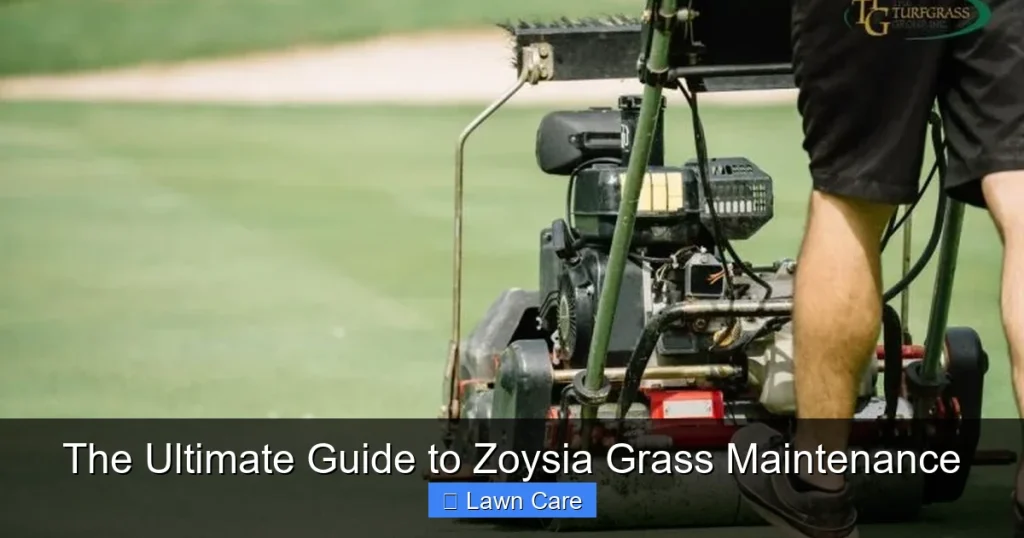
Achieving a stunning Zoysia lawn is totally within reach with the right care! This guide dives deep into everything you need to know about Zoysia grass maintenance, from perfect watering and mowing techniques to smart fertilization and tackling common pests. Follow these steps, and you’ll have the envy of the neighborhood.**
Are you dreaming of a lush, dense, and beautiful lawn that practically glows with health? If so, you might have heard whispers about Zoysia grass. Known for its incredible durability, resistance to heat and drought, and that signature emerald green carpet look, Zoysia is a top choice for many homeowners. But like any great thing, it requires a little know-how to keep it in peak condition. Don’t worry, though! This ultimate guide to Zoysia grass maintenance is here to break down everything you need to do to keep your Zoysia lawn looking its absolute best, year after year.
Zoysia grass is a warm-season turfgrass that forms a dense, resilient mat. It’s famous for its ability to crowd out weeds and withstand heavy foot traffic, making it ideal for families and active yards. However, understanding its unique needs is key to unlocking its full potential. We’ll cover watering, mowing, feeding, and even how to handle any pesky problems that might pop up. So, grab your gardening gloves, and let’s dive into the secrets of Zoysia grass maintenance!
- Zoysia grass thrives in warm weather and goes dormant in cooler temperatures, turning brown but recovering in spring.
- Watering Zoysia deeply and infrequently encourages strong root development, typically needing about 1 inch of water per week during active growth.
- Mow Zoysia at the correct height (1-3 inches) using a sharp mower, removing no more than one-third of the grass blade at a time.
- Fertilize Zoysia during its active growing season (late spring to early fall) with a balanced fertilizer, avoiding over-fertilization.
- Weed control is crucial as Zoysia can be slow to establish and susceptible to weeds, especially when young.
- Pest and disease management involves regular inspection and prompt treatment of issues like grubs, brown patch, or armyworms.
- Aeration and dethatching are important for soil health and water/nutrient penetration, usually done during the active growing season.
Quick Answers to Common Questions
When does Zoysia grass go dormant?
Zoysia grass typically goes dormant when temperatures consistently drop below 50°F, usually in late fall or early winter, and turns brown.
How often should I water established Zoysia grass?
Established Zoysia grass typically needs about 1 inch of water per week, applied deeply and infrequently, especially during hot, dry periods. Allow the soil to dry slightly between waterings.
What is the best mowing height for Zoysia grass?
The ideal mowing height for Zoysia grass is usually between 1 and 3 inches. For most residential lawns, 2-3 inches provides a good balance of appearance and resilience.
Is it okay for my Zoysia grass to turn brown in the winter?
Yes, it is completely normal for Zoysia grass to turn brown and go dormant during the cooler months. It will recover and turn green again in the spring as temperatures rise.
How can I encourage my Zoysia grass to spread faster?
To encourage Zoysia grass to spread faster, ensure it receives adequate sunlight, water, and nutrients during its active growing season. Proper mowing and avoiding excessive shade can also help.
📑 Table of Contents
Understanding Zoysia Grass’s Life Cycle
Before we get into the nitty-gritty of care, it’s helpful to understand how Zoysia grass operates. As a warm-season grass, its growth cycle is tied to temperature. This means it’s actively growing and green during the warmer months of spring, summer, and early fall. When temperatures drop, Zoysia goes into dormancy, meaning its growth slows dramatically, and it turns a characteristic straw or brown color. This isn’t a sign of death, but rather its natural way of surviving colder weather.
Dormancy and Spring Green-Up
During winter dormancy, your Zoysia lawn might look a bit sad and brown. This is completely normal. The grass blades themselves are dormant, but the underground roots and rhizomes (horizontal stems) are alive and well, storing energy. As temperatures rise in the spring and soil temperatures consistently reach around 65-70°F, you’ll start to see new green growth emerge from these underground structures. This spring green-up can sometimes be a slow process, so patience is key. It’s during this active growing period that your Zoysia will truly start to shine.
Seasonal Care Considerations
Knowing when your Zoysia is actively growing is crucial for timing your maintenance tasks. Fertilizing, for example, is most effective when the grass is actively taking up nutrients. Similarly, overseeding or repairing damaged areas should be done during its peak growth phases. Understanding this rhythm will help you provide the right care at the right time, leading to a healthier, more vigorous lawn.
Mastering Zoysia Grass Watering
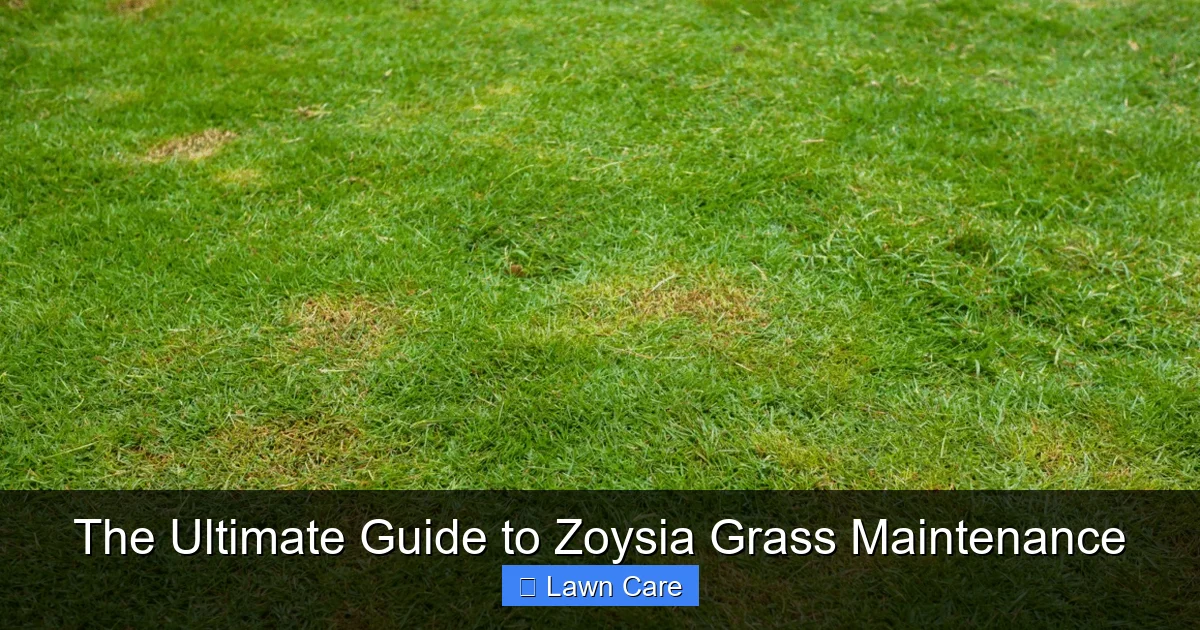
Visual guide about The Ultimate Guide to Zoysia Grass Maintenance
Image source: everythingbackyard.net
Proper watering is foundational for any healthy lawn, and Zoysia grass is no exception. While Zoysia is known for its drought tolerance once established, it still needs consistent moisture, especially during its active growing season and establishment period. The key is to water deeply and less frequently, encouraging strong, deep root systems.
Deep and Infrequent Watering
Aim to provide about 1 inch of water per week, especially during hot, dry spells. This doesn’t mean a quick sprinkle every day. Instead, water thoroughly until the soil is moist several inches down. This encourages the roots to grow deeper in search of water, making the grass more resilient to drought. You can check the soil moisture by inserting a screwdriver or soil probe; if it goes in easily to about 6 inches, the soil is likely moist enough. For watering schedules and techniques, it’s always a good idea to consult The Ultimate Guide To Lawn Watering Schedules And Techniques.
Best Times to Water
The best time to water your Zoysia grass is in the early morning, typically between 4 AM and 10 AM. This allows the water to penetrate the soil before the heat of the day causes too much evaporation. Watering in the morning also helps prevent fungal diseases, as it gives the grass blades time to dry off before nightfall. Avoid watering in the evening, as prolonged moisture on the grass blades overnight can create a favorable environment for disease.
Recognizing Watering Needs
Your lawn will give you signals when it’s thirsty. Look for signs like a dull, bluish-gray color, footprints remaining visible long after you’ve walked on the grass, or leaf blades that are starting to fold or curl. These are indicators that your Zoysia needs a good drink.
The Art of Mowing Zoysia Grass
Mowing might seem straightforward, but for Zoysia grass, there’s a sweet spot that promotes health and density. Proper mowing techniques prevent stress on the grass and contribute to that thick, carpet-like appearance you desire.
Ideal Mowing Height
Zoysia grass generally prefers a mowing height between 1 and 3 inches. Lower heights (around 1 inch) will result in a finer texture and can be ideal for golf courses or very manicured lawns, but they require more frequent watering and can be more susceptible to weeds. A height of 2-3 inches is more common for residential lawns, offering a good balance of aesthetics and resilience. You can learn more about how to mow Zoysia grass for healthier growth by checking out How To Mow Zoysia Grass For Healthier Growth.
The One-Third Rule
A golden rule in mowing any type of grass, including Zoysia, is to never remove more than one-third of the grass blade at a time. Cutting too much at once can shock the grass, leading to stress, browning, and slower growth. This means if your grass grows an inch in three days, you should mow every three days to maintain your desired height.
Sharp Mower Blades are Key
Always ensure your mower blades are sharp. Dull blades tear the grass blades rather than cutting them cleanly. This tearing can leave the grass vulnerable to disease and pests, and it gives the lawn a ragged, unhealthy appearance. Sharpen your blades at least once a year, or more often if you have a large lawn or notice ragged cuts.
Fertilizing Your Zoysia Lawn
Feeding your Zoysia grass at the right time and with the right nutrients is vital for its growth, color, and overall health. As a warm-season grass, its nutrient needs differ from cool-season grasses.
When to Fertilize
The best time to fertilize Zoysia grass is during its active growing season, which spans from late spring through early fall. Avoid fertilizing when the grass is dormant (winter) or during extreme heat stress in summer, as this can damage the lawn. Early spring, after the grass has greened up, and late spring/early summer are prime times. A second application in late summer or early fall can also be beneficial. For detailed guidance on fertilization, refer to When And How To Fertilize Zoysia Grass For Best Results.
Choosing the Right Fertilizer
Opt for a balanced fertilizer with a ratio like 10-10-10 or 16-4-8, depending on your soil test results. Slow-release fertilizers are generally preferred as they provide a steady supply of nutrients and reduce the risk of burning the grass. Look for fertilizers that contain nitrogen for green growth, phosphorus for root development, and potassium for disease resistance and overall hardiness.
Avoid Over-Fertilization
More is not always better when it comes to fertilizer. Applying too much can lead to excessive top growth without corresponding root development, making the grass weaker and more susceptible to stress. It can also cause nutrient runoff, which is harmful to the environment. Always follow the application rates recommended on the fertilizer packaging. If you’re unsure about the nutrient needs of your soil, a soil test is a great first step. Understanding proper lawn fertilization and feeding is essential for vibrant growth, and The Ultimate Guide To Lawn Fertilization And Feeding offers comprehensive advice.
Weed and Pest Management for Zoysia
Even the most well-maintained Zoysia lawn can face challenges from weeds and pests. Zoysia grass’s dense growth habit helps it to outcompete many weeds once established, but young lawns or areas with thin coverage can be more vulnerable.
Weed Control Strategies
Regular mowing and proper watering and fertilizing are your first lines of defense against weeds. However, some weeds may still appear. For minor infestations, hand-pulling is effective. For more persistent weed problems, consider using pre-emergent herbicides in early spring before weeds germinate, or post-emergent herbicides for existing weeds. Always select herbicides labeled for use on Zoysia grass to avoid damage. If you need help identifying and tackling unwelcome guests, The Ultimate Guide To Lawn Weed Identification And Control is an excellent resource.
Common Pests to Watch For
Zoysia grass can be susceptible to various pests, including grubs, armyworms, and chinch bugs. Grubs feed on grass roots, leading to yellowing and dead patches, especially during dry periods. Armyworms chew on grass blades, and chinch bugs suck sap, causing irregular brown spots. Inspect your lawn regularly for signs of pest activity.
Dealing with Pests and Diseases
If you identify a pest problem, act quickly. There are both chemical and organic insecticides available. For common Zoysia diseases like brown patch, which appears as circular brown patches, ensure good air circulation and avoid over-watering. Fungicides can be used if necessary. Early detection and prompt treatment are key to minimizing damage. For specific issues like brown patch, How To Treat Brown Patch Disease In Zoysia Grass offers targeted advice.
Aeration, Dethatching, and Edging
To keep your Zoysia lawn looking its best and growing strong, a few additional maintenance tasks are beneficial. These include improving soil structure and keeping the lawn’s edges neat.
The Importance of Aeration
Over time, soil can become compacted, especially in high-traffic areas. Aeration involves creating small holes in the soil, which helps to relieve compaction, improve air circulation, and allow water and nutrients to reach the root zone more effectively. The best time to aerate Zoysia grass is during its active growing season, typically late spring or early summer.
Dethatching for Healthier Growth
A layer of thatch – dead grass stems and roots that accumulate on the soil surface – can become problematic if it’s more than half an inch thick. Excessive thatch can block water and nutrient penetration and harbor pests and diseases. Dethatching, or power raking, removes this layer. Like aeration, it’s best performed during the active growing season.
Keeping Edges Sharp
Well-defined edges make a significant difference in the overall appearance of your lawn. Use a string trimmer or an edger to create clean lines along sidewalks, driveways, and garden beds. This not only enhances curb appeal but also helps to prevent grass from encroaching into unwanted areas. You can find helpful tips in The Ultimate Guide To Lawn Edging And Landscaping Borders.
Conclusion: Your Path to a Perfect Zoysia Lawn
Maintaining a beautiful Zoysia lawn is a rewarding endeavor. By understanding its warm-season nature, practicing deep and infrequent watering, mowing at the correct height with sharp blades, fertilizing during its active growth period, and keeping an eye out for weeds and pests, you’re well on your way to achieving that coveted green carpet. Remember that consistency is key. Regular care, even in small doses, will make a huge difference in the long run. With this ultimate guide to Zoysia grass maintenance, you have all the tools you need to cultivate a healthy, resilient, and stunning Zoysia lawn that you can enjoy for years to come.
Frequently Asked Questions
What kind of fertilizer is best for Zoysia grass?
A balanced fertilizer with a nitrogen, phosphorus, and potassium ratio is ideal. Slow-release formulations are often recommended to provide a steady nutrient supply without stressing the grass.
How do I get rid of weeds in my Zoysia lawn?
Regular mowing, proper watering, and good fertilization help prevent weeds. For existing weeds, hand-pulling is effective for small infestations, while selective herbicides can be used for larger problems.
When is the best time to lay Zoysia sod?
The best time to lay Zoysia sod is during the active growing season, which is late spring through summer. This allows the sod to establish roots effectively before cooler weather arrives.
My Zoysia grass has brown patches. What could be the cause?
Brown patches in Zoysia grass can be caused by several things, including drought stress, grub infestations, or fungal diseases like brown patch. Proper diagnosis is key to effective treatment.
How do I prepare my Zoysia lawn for winter?
Before winter dormancy, it’s beneficial to do a final mowing, clean up fallen leaves, and ensure the lawn is properly hydrated. Aeration and fertilization in the fall can also help it recover in spring.
Can I plant Zoysia grass seed?
Zoysia grass is most commonly established from sod, plugs, or rhizomes, as seed can be slow to germinate and establish. If you are planting seeds, ensure you research the specific variety and optimal planting times.