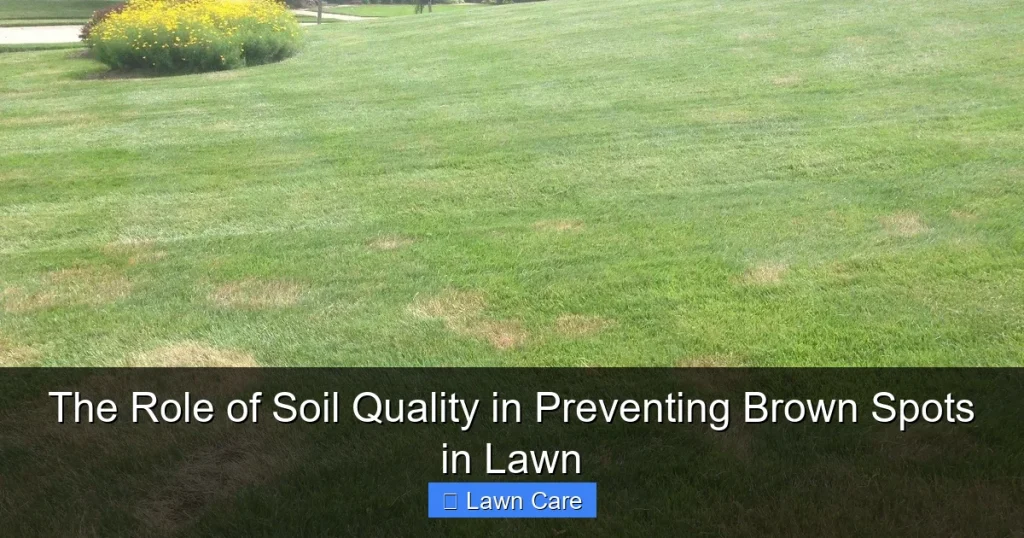
Healthy soil is the foundation of a vibrant lawn and the best defense against frustrating brown spots. Understanding and improving your soil quality can significantly reduce the occurrence of these unsightly patches. This article delves into the key aspects of soil health that prevent brown spots, from drainage and nutrient balance to microbial activity and aeration.
Brown spots on a lawn. It’s a sight that can send any homeowner into a panic. You’ve put in the work, you water regularly, and then suddenly, these dry, dead-looking patches appear, marring your otherwise beautiful green carpet. While many might immediately blame pests, diseases, or even dog urine (which are often culprits, of course!), there’s a much deeper, more fundamental reason why brown spots might be taking hold: the quality of your soil.
Think of your lawn as a living organism. Just like us, it needs the right environment to thrive. And that environment starts from the ground up. The soil beneath your grass is not just dirt; it’s a complex ecosystem teeming with life, nutrients, and moisture. When this ecosystem is out of balance, or simply not healthy enough, your grass becomes stressed. Stressed grass is weak grass, and weak grass is an open invitation for all sorts of problems, including those dreaded brown spots. So, before you reach for the pesticide, let’s talk about the unsung hero of a lush lawn: your soil quality.
Understanding and improving your soil is the most proactive and effective way to build a lawn that’s naturally resistant to the issues that cause brown spots. It’s about creating a foundation so strong that your grass can shrug off minor threats and bounce back quickly from any challenges.
- Good soil quality is fundamental to preventing brown spots in your lawn. Healthy soil supports strong, resilient grass that can better withstand stressors.
- Proper drainage is crucial. Waterlogged soil suffocates grass roots and creates an ideal environment for diseases that cause brown spots.
- Balanced nutrients are essential. Deficiencies or excesses of certain nutrients can weaken grass, making it susceptible to browning.
- A healthy population of soil microbes plays a vital role in nutrient cycling and disease suppression, contributing to a stronger lawn.
- Adequate soil aeration allows roots to breathe and access water and nutrients, preventing stress that can lead to brown patches.
- Regular soil testing is recommended to understand its specific needs and guide improvement efforts.
- Improving soil organic matter enhances structure, water retention, and nutrient availability, all contributing to a healthier lawn.
Quick Answers to Common Questions
Why is soil drainage so important for preventing brown spots?
Good soil drainage ensures that grass roots receive adequate oxygen and prevents the waterlogged conditions that encourage fungal diseases, both of which are major causes of brown spots.
Can nutrient imbalances in the soil cause my lawn to turn brown?
Yes, deficiencies or excesses of key nutrients can weaken grass, making it more susceptible to stress, diseases, and pests, which often manifest as brown spots.
How do soil microbes help prevent brown spots?
Beneficial microbes break down organic matter to make nutrients available for grass, improve soil structure, and help suppress diseases that cause browning.
What is soil aeration and why is it important?
Soil aeration is the process of creating holes in compacted soil to allow air, water, and nutrients to reach the grass roots, preventing stress that leads to brown spots.
How does soil pH affect brown spot formation?
Incorrect soil pH can lock up essential nutrients, preventing grass from absorbing them. This nutrient deficiency stresses the grass, making it prone to browning and diseases.
📑 Table of Contents
The Crucial Role of Soil Drainage
One of the most common reasons for brown spots, often overlooked, is poor soil drainage. If water sits on your lawn for extended periods after rain or irrigation, your grass roots can’t breathe. This suffocates them, leading to stress and eventually, death. Waterlogged conditions also create a perfect breeding ground for fungal diseases, which are a primary cause of brown patches.
Why Drainage Matters
When soil drains well, excess water moves away from the root zone. This ensures that grass roots get the oxygen they need to survive and thrive. Good drainage also helps prevent the buildup of harmful pathogens that flourish in consistently wet environments.
Identifying Drainage Issues
You can often tell if you have a drainage problem by observing your lawn after a rain. Do puddles form and take a long time to disappear? Does the soil feel spongy or overly saturated for hours after watering? These are clear signs that your soil isn’t draining effectively. You might also notice other issues like muddy spots or an increase in moss growth in problem areas. Addressing poor drainage is a key step in preventing brown spots. For instance, if you’re dealing with issues like poor lawn drainage, it’s crucial to tackle that first.
Improving Drainage
If your soil drains poorly, you can improve it. One effective method is to amend the soil with organic matter. Compost, for example, helps to break up heavy clay soils, improving aeration and water percolation. In more severe cases, you might consider installing a drainage system or a French drain. Aerating your lawn regularly can also help improve water infiltration. For heavy clay soils, understanding how to water lawn in clay soil correctly is paramount to avoid waterlogging.
Nutrient Balance: The Grass’s Diet

Visual guide about The Role of Soil Quality in Preventing Brown Spots in Lawn
Image source: greenthumbwi.com
Just like any living thing, grass needs a balanced diet to stay healthy and strong. Soil quality directly impacts the availability and uptake of essential nutrients. If your soil is deficient in certain nutrients, or if the balance is off, your grass will weaken, becoming more susceptible to diseases and environmental stress that can manifest as brown spots.
Essential Nutrients for Grass
Key nutrients like nitrogen (for green growth), phosphorus (for root development), and potassium (for overall plant health and stress tolerance) are vital. Other micronutrients like iron also play a significant role in chlorophyll production, which keeps grass green.
The Impact of Nutrient Imbalances
A lack of nitrogen can lead to pale, weak grass that browns easily. Too much nitrogen can lead to rapid, lush growth that is more prone to disease and sometimes causes “fertilizer burn,” which looks like brown spots. Similarly, deficiencies in potassium can make grass less resilient to drought, heat, and cold, leading to browning.
Achieving Nutrient Balance
The best way to ensure your soil has the right nutrient balance is through regular soil testing. A soil test will tell you exactly what nutrients are present and what your lawn needs. Based on these results, you can apply a balanced fertilizer or specific amendments. Over-fertilizing is a common mistake that can harm your lawn. It’s also important to consider the timing of fertilization, especially in summer heat. For example, knowing when is the best time of day to fertilize in summer can help prevent burn.
The Vital Role of Soil Microbes
When we talk about soil quality, it’s easy to forget about the invisible world beneath our feet. But the health of your lawn is intrinsically linked to the health of its microbial population. Beneficial bacteria, fungi, and other microorganisms in the soil are essential for nutrient cycling, disease suppression, and overall soil structure.
Microbes as Soil Workers
These tiny organisms break down organic matter, making nutrients available for grass to absorb. They also help to improve soil structure, creating pores that allow for better aeration and drainage. Some microbes even form symbiotic relationships with grass roots, enhancing nutrient uptake and disease resistance. The role of microbes in soil health is profound, and understanding what is the role of microbes in soil health can empower you to nurture them.
Microbial Imbalances and Brown Spots
When the microbial balance is disrupted – perhaps due to excessive use of chemical pesticides or herbicides, or poor soil conditions – beneficial microbes can be depleted. This can lead to reduced nutrient availability, increased susceptibility to diseases, and a weaker lawn overall. An imbalance can also lead to opportunistic pathogens taking over, causing significant browning. If you want to boost these helpful organisms, consider learning about the role of microbes in lawn soil health and how to boost them.
Nurturing Your Soil’s Microbes
To foster a healthy microbial community, focus on practices that support life in the soil. Reducing the use of harsh chemicals, incorporating organic matter (like compost), and avoiding over-compaction are all beneficial. Using organic fertilizers also feeds these microbes. Healthy soil with a vibrant microbial population is a powerful defense against brown spots.
Soil Aeration and Compaction: Letting Roots Breathe
Soil compaction is a silent killer of lawns. When soil becomes too dense, it restricts air, water, and nutrient movement to the grass roots. This leads to shallow root systems and stressed grass that is highly vulnerable to developing brown spots, especially during hot or dry periods.
Understanding Soil Compaction
Compaction can occur from heavy foot traffic, the use of heavy machinery, or even just the natural settling of soil over time, especially in clay-heavy soils. Compacted soil has very little pore space. This means roots struggle to penetrate deeply, and water can run off the surface rather than soaking in.
The Link Between Compaction and Brown Spots
When grass roots can’t access enough oxygen and water due to compaction, the grass becomes weak and wilts easily. This wilting can quickly turn into browning. Compacted soil also exacerbates drainage problems, further contributing to root stress and disease. If your lawn suffers from compaction, learning how to fix compacted soil in lawn is a critical step.
The Benefits of Aeration
Aeration is the process of creating small holes in the soil, which relieves compaction. This allows air, water, and nutrients to reach the root zone, encouraging deeper root growth and a healthier, more resilient lawn. Regular aeration is a cornerstone of good lawn care and a proactive strategy against brown spots. You can often find tools for DIY aeration or hire professionals. Practices like how to prevent soil compaction in your lawn in the first place are also very valuable.
The Importance of Soil pH
Soil pH is a measure of how acidic or alkaline your soil is. This might seem like a technical detail, but it has a massive impact on your lawn’s ability to absorb nutrients. If your soil pH is too high or too low, even if the nutrients are present, your grass can’t access them.
How pH Affects Nutrient Availability
Different nutrients are available to plants within specific pH ranges. For most turfgrasses, a slightly acidic to neutral pH (between 6.0 and 7.0) is ideal. Outside this range, essential nutrients can become “locked up” in the soil, making them inaccessible to the grass. For example, if the pH is too low, aluminum can become toxic to grass. If it’s too high, phosphorus and iron become less available. Understanding the role of pH levels in lawn health and growth is key to managing it.
pH Imbalances and Lawn Stress
When grass can’t get the nutrients it needs due to incorrect pH, it becomes stressed. This stress can lead to slow growth, discoloration, and increased susceptibility to diseases and pests, all of which can contribute to the formation of brown spots.
Adjusting Soil pH
A soil test will reveal your lawn’s pH level. If it’s too acidic (low pH), you can add lime to raise it. If it’s too alkaline (high pH), you can add sulfur or organic matter to lower it. It’s important to make these adjustments gradually and according to soil test recommendations.
Building Healthy Soil with Organic Matter
Organic matter is the lifeblood of healthy soil. It’s a combination of decaying plant and animal material, and it’s responsible for so many beneficial soil properties that directly combat brown spots.
What Organic Matter Does
High levels of organic matter improve soil structure, enhance water retention (especially in sandy soils), improve drainage (in clay soils), provide a slow-release source of nutrients, and feed beneficial soil microbes. It essentially acts as a natural soil conditioner, making it more resilient and forgiving.
Organic Matter and Brown Spot Prevention
Lawns with adequate organic matter have deeper, stronger root systems because the soil is looser and more nutrient-rich. This resilience means the grass is better equipped to handle periods of drought, heat, or other stresses without turning brown. It also helps buffer against extreme pH fluctuations. Learning how to increase organic matter in lawn soil is one of the most impactful things you can do for your lawn.
Adding Organic Matter
The best way to add organic matter is by topdressing your lawn with compost or other well-rotted organic materials. Grass clippings, when managed correctly and allowed to decompose, also contribute to organic matter. Using organic fertilizers and mulching with organic materials can further support soil health. The benefits of using compost on your lawn are numerous and directly contribute to a healthier, more robust turf.
Conclusion: Investing in Your Soil is Investing in Your Lawn
Brown spots are often a symptom of underlying issues within your lawn’s soil. While it’s tempting to focus on quick fixes, understanding and improving your soil quality is the most sustainable and effective way to prevent these unsightly patches from appearing in the first place. By focusing on good drainage, balanced nutrition, a thriving microbial community, proper aeration, correct pH levels, and enriching your soil with organic matter, you are building a lawn that is naturally strong, resilient, and beautiful.
Think of it as building a healthy body for your lawn. A strong foundation means it can better fight off illness and recover from injury. Regular soil testing and consistent attention to these soil health principles will pay dividends in the long run, giving you a lawn that not only resists brown spots but is lush, green, and healthy all season long. It’s an investment that truly pays off.
Frequently Asked Questions
What is the first step to improving my lawn’s soil quality?
The very first step is to get your soil tested. A soil test will provide crucial information about your soil’s pH, nutrient levels, and organic matter content, guiding your improvement efforts effectively.
How often should I test my soil?
It’s generally recommended to test your soil every 1-2 years, especially if you’re making significant changes to your lawn care routine or have identified specific issues like persistent brown spots.
Can dog urine cause brown spots, and how does soil quality play a role?
Yes, dog urine can cause brown spots due to its high nitrogen content. Healthy soil with good drainage and microbial activity can help dilute and break down the urine more quickly, potentially reducing damage. You can learn more about how to get rid of brown spots in lawn from dog urine.
My lawn has patchy brown spots. Could it be a sign of compaction?
Yes, patchy brown spots can certainly be a sign of soil compaction, especially if you notice the grass thinning or struggling to grow in those areas. Compacted soil restricts root growth and access to essential resources.
What are the best organic amendments for improving soil quality to prevent brown spots?
Compost is an excellent all-around organic amendment that improves drainage, water retention, nutrient content, and supports beneficial microbial activity, all of which help prevent brown spots.
How does overwatering contribute to brown spots, and how does soil quality relate?
Overwatering, especially in poorly draining soil, leads to saturated conditions that suffocate roots and encourage diseases. Healthy soil with good drainage allows excess water to move away, preventing these issues.