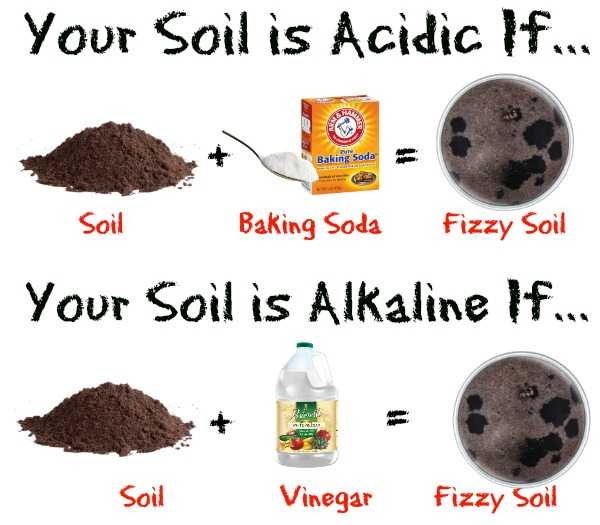
The quickest way to test soil pH without a kit is to use household items like vinegar and baking soda. These common ingredients can give you a rough idea of your soil’s acidity or alkalinity with just a simple test.
In just a few steps, you can determine your soil’s pH level without buying any specialized equipment. This method involves mixing soil with household liquids and observing the reactions, making it a cost-effective and easy solution for gardeners and plant enthusiasts alike.
Getting a sense of your soil’s pH is essential for healthy plant growth, but not everyone has access to professional testing kits. Fortunately, with a bit of common household supplies and some basic understanding, you can gauge whether your soil is acidic, neutral, or alkaline. This simple do-it-yourself approach saves time and money while helping you optimize your garden’s conditions.

How to test soil pH without a kit
Understanding the importance of soil pH
Soil pH tells you how acidic or alkaline your soil is. It influences how well plants can absorb nutrients. Knowing your soil’s pH helps you decide if you need to make adjustments for better plant growth.
Why testing soil pH without a kit can be helpful
Sometimes, kits aren’t available or practical. Testing soil pH without a kit allows quick checks and saves money. It also helps gardeners and farmers make immediate decisions about their soil.
Common methods to test soil pH without a kit
There are several practical ways to test soil pH using household items or natural indicators. These methods vary in accuracy but can give a good general idea of your soil’s acidity or alkalinity.
Using vinegar and baking soda: a simple chemical test
This method involves adding household acids and bases to soil samples. It’s quick and easy but primarily indicates whether soil is acidic or alkaline, not exact pH.
- Take a small amount of soil in a clean container
- Add a few drops of vinegar; if it fizzes, your soil is likely alkaline (pH above 7)
- If no fizz, then add water to the soil to create a slurry
- Test the slurry with baking soda; if it fizzes, soil is likely acidic (pH below 7)
Remember, this method is a rough guide and doesn’t provide an exact pH number.
Natural pH indicators: using plants and environmental cues
Some plants and natural materials change color depending on soil pH, providing visual clues.
Using indicator plants
Certain plants thrive in specific soil pH levels. For example:
- Roses and grasses often prefer neutral to slightly acidic soil
- Blueberries grow best in acidic soils (pH below 6)
- Lavender prefers slightly alkaline soil (pH above 7)
Observing how these plants grow can give hints about your soil’s pH.
Soil color and environmental clues
Soil color and surrounding vegetation also indicate pH levels.
- Yellowish or orange soil can suggest acidity or poor drainage
- Grayish or stony soil might indicate higher pH levels
- Presence of moss often signals acidic soil
These observations can help you make educated guesses about your soil’s pH.
Testing soil pH with household items
Beyond vinegar and baking soda, other common household items can be useful.
Using lemon juice
Lemon juice is acidic and can be used similarly to vinegar.
- Mix a small amount of soil with water
- Add a few drops of lemon juice
- Fizzing indicates alkaline soil; no fizz suggests acidic or neutral soil
While not precise, it offers additional clues about soil acidity.
Using baking soda solution
Baking soda helps indicate if soil is acidic.
- Mix a teaspoon of baking soda into a cup of water
- Pour the solution onto a small soil sample
- If it fizzes, the soil is likely more alkaline
This method is quick but again provides only a rough idea.
Testing soil pH with natural dyes and plant extracts
Some natural dyes change color depending on pH.
Red cabbage indicator
Red cabbage contains anthocyanins that change color across pH levels.
- Chop and boil red cabbage leaves to make a dye
- Strain out the solids and use the liquid as an indicator
- Add a small amount of soil slurry or water to the dye
- The color shift (for example, purple to green) indicates pH
This method is fun and educational for outdoor testing.
Performing a DIY soil test at home
Combine techniques for a more accurate picture.
Steps for DIY testing
- Collect a soil sample from different spots in your garden
- Mix samples for a composite test
- Use household items like vinegar, baking soda, lemon juice, and natural dyes as indicators
- Observe color changes and reactions carefully
- Compare your results to reference guides or charts to estimate pH
Remember to record your observations for future comparison.
Factors affecting the accuracy of homemade tests
Homemade tests are convenient but less precise.
- Soil moisture content can influence reactions
- Temperature and environmental conditions may affect results
- Soil composition varies; organic matter can interfere with tests
- Using multiple methods helps improve reliability
Always consider these factors when interpreting your results.
When to seek professional testing
If you need precise data for garden planning or farming, professional testing is best.
- Laboratories use specialized equipment for accurate pH measurement
- Sample collection should follow proper procedures for reliable results
- Professional tests can also detect other soil nutrients and contaminants
DIY methods can guide general decisions but cannot replace lab accuracy.
Summary of key tips for testing soil pH without a kit
- Use household acids (vinegar, lemon juice) to gauge acidity
- Utilize natural indicators like red cabbage for visual pH cues
- Observe plant growth and soil color for additional hints
- Combine multiple quick tests for better estimation
- Know your limitations and consider professional testing for detailed results
Testing soil pH without a kit is accessible and simple, especially when you understand the basic reactions and indicators. It allows gardeners and farmers to make informed decisions about soil amendments and plant choices. With patience and careful observation, you can get a good idea of your soil’s pH to help your garden thrive.
How to Test Soil pH without a Test Kit
Frequently Asked Questions
What natural indicators can I use to assess soil acidity or alkalinity?
You can observe certain plants that thrive in specific soil conditions. For example, asparagus and blueberries prefer acidic soil, while lavender and cabbage do well in alkaline soil. Additionally, the color of soil when mixed with water may hint at pH levels; a reddish hue can indicate acidity, whereas a bluish-green suggests alkalinity. Keep in mind, these signs provide rough estimates and are less precise than testing kits.
Are there homemade methods to estimate soil pH using household items?
Yes, you can create a simple test by mixing soil with vinegar or baking soda. Combine one part soil with two parts water in a container. If you add a splash of vinegar and it fizzes, the soil is likely alkaline. Conversely, adding baking soda to the soil-water mixture and observing fizzing suggests acidity. These reactions offer basic insights but may not replace professional accuracy.
Can I use a pH indicator solution to test soil pH without a kit?
Absolutely. You can use natural pH indicators like red cabbage juice. Boil red cabbage leaves in water to extract the dye, then strain the liquid. Mix a small amount of soil with distilled water and add the cabbage juice. The resulting color change indicates the pH level: pink or red for acidic, purple for neutral, and greenish-yellow for alkaline. This method provides a visual approximation of soil pH.
Final Thoughts
To test soil pH without a kit, mix a small amount of soil with distilled water to make a slurry. Use red and blue cabbage leaves to create a natural pH indicator by boiling them and then immersing a sample of the soil slurry. Observe the color change and compare it to a pH color chart for an approximate reading.
This method provides a simple way to assess your soil’s acidity or alkalinity without specialized equipment. Understanding soil pH helps you make better gardening decisions and improves plant growth.
How to test soil pH without a kit offers a practical alternative for gardeners seeking quick insights into their soil conditions.