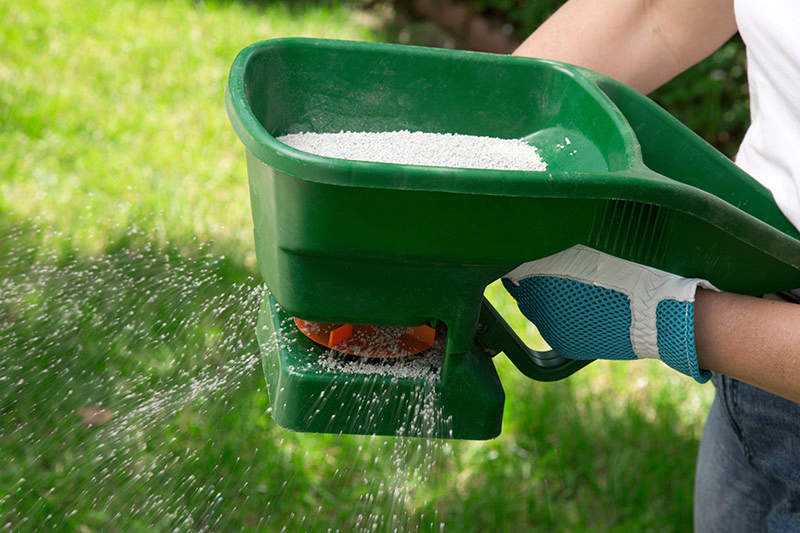
If you’re looking for the best type of fertilizer for your grass, a balanced fertilizer with equal parts nitrogen, phosphorus, and potassium (NPK) is your go-to option. This ratio promotes healthy growth, vibrant color, and strong roots. Granular fertilizers release nutrients slowly over time, providing sustained feeding for your lawn, while liquid fertilizers can give quick results. So, depending on your specific needs and preferences, you can choose the best type for your lawn care routine.
Maintaining a lush, green lawn takes more than just regular mowing; it’s all about nourishment too. The right fertilizer can make a world of difference, helping your grass thrive. Understanding the unique needs of your lawn, including soil type and grass species, will guide you in selecting an ideal fertilizer. Whether you’re battling yellow patches or simply aiming for a fuller appearance, knowing the right mix can enhance growth, resilience, and overall health. Embrace the journey to greener grass by exploring the best options available for your lawn!

The Best Type Of Fertilizer For Your Grass
When caring for your lawn, the right fertilizer choice is crucial. Fertilizers provide essential nutrients that grass needs to grow strong and healthy. Understanding the different types of fertilizer can help you make the best decision for your unique lawn conditions.
Understanding Grass Nutrient Needs
Grass, like all plants, requires a balanced diet of nutrients to thrive. The three primary nutrients in fertilizers are nitrogen (N), phosphorus (P), and potassium (K). Each plays a specific role:
- Nitrogen promotes vigorous growth and lush green color.
- Phosphorus supports strong root development and flowering.
- Potassium helps with overall plant health and disease resistance.
It’s essential to understand what your grass type needs at different growth stages. For instance, cool-season grasses often need more nitrogen in the spring, while warm-season grasses require more phosphorus in the summer.
Types of Fertilizer
When selecting fertilizer, consider the three main types: synthetic, organic, and slow-release. Each has its pros and cons.
Synthetic Fertilizers
Synthetic fertilizers are made from chemical compounds. They often provide an immediate nutrient boost, which is beneficial for quick results. However, they can leach into water sources and may disturb soil microbes if overused.
Organic Fertilizers
Organic fertilizers are derived from natural sources, like manure or compost. They release nutrients slowly, improving soil health over time. They can be an excellent choice for environmentally conscious gardeners.
Slow-Release Fertilizers
Slow-release fertilizers gradually release nutrients over an extended period. They’re convenient because they require less frequent application. This means less work for you and fewer chances for nutrient loss due to heavy rainfall.
Choosing the Right Fertilizer
Choosing the best fertilizer for your grass depends on several factors. Consider your grass type, soil quality, and environmental conditions.
Grass Type
Different grass types have different nutrient needs. For instance, Kentucky bluegrass thrives with higher nitrogen levels, while Bermuda grass benefits from a balanced N-P-K ratio. Always match your fertilizer type to your grass species.
Soil Testing
Before applying fertilizer, conduct a soil test. This will inform you about existing nutrient levels and pH balance. Knowing what your lawn lacks can guide you to the right fertilizer choice.
Application Methods
How you apply fertilizer can affect its effectiveness. Common methods include broadcasting, drop spreading, and liquid application.
Broadcasting
Broadcasting is spreading granules evenly across the lawn. This method is suitable for larger areas, but it requires precise calibration to avoid over-fertilization.
Drop Spreading
Drop spreading allows for targeted application. This method uses a spreader that drops fertilizer directly onto the grass, minimizing waste and reducing environmental impact.
Liquid Application
Liquid fertilizers can be applied with a sprayer or hose attachment. This method provides quick nutrient uptake, ideal for rapid response needs. However, it typically requires more frequent applications than granular types.
Timing Your Fertilizer Application
Timing is crucial for successful fertilization. Generally, the best times to apply fertilizer are in the spring and fall. Spring applications encourage growth, while fall applications help prepare your grass for winter.
Seasonal Considerations
– **Spring**: Fertilize when grass begins to grow but before the heat of summer.
– **Summer**: Be cautious; too much nitrogen can stress grass under heat.
– **Fall**: A critical time for fertilizing cool-season grasses to prepare for winter.
Common Mistakes to Avoid
Many gardeners make mistakes that can hinder grass growth. Here are some common pitfalls.
Over-Fertilizing
Applying too much fertilizer can burn your grass, leading to brown patches. Always follow the recommended application rates on the fertilizer label.
Ignoring Soil Health
Neglecting soil health can affect your grass’s ability to absorb nutrients. Incorporate organic matter, like compost, to improve soil structure and nutrient retention.
Skipping Watering
Fertilizers need water to break down and become available to grass roots. Ensure you water your lawn after applying fertilizer for the best results.
Environmental Considerations
When choosing your fertilizer, consider the environmental impact. Some fertilizers can contribute to water pollution when excess nutrients run off into nearby waterways.
Eco-Friendly Options
– Use organic fertilizers to minimize environmental damage.
– Consider slow-release formulas to reduce nutrient runoff.
– Apply mulch to your lawn, which can improve soil health and reduce fertilizer needs.
Selecting the right fertilizer is vital for a healthy, vibrant lawn. By understanding your grass’s needs and being mindful of the type and application of fertilizer, you can achieve a lush green yard. Always remember to test your soil, choose the appropriate fertilizer type, and apply it at the right time for optimal results. Your lawn deserves the best care, and with the right fertilizer, you can maintain its beauty and health throughout the seasons.
What is the BEST LAWN Fertilizer – STOP Wasting Money!
Frequently Asked Questions
What are the main types of fertilizers available for grass?
The main types of fertilizers for grass include granular, liquid, and slow-release fertilizers. Granular fertilizers are solid pellets that can be spread over the lawn, while liquid fertilizers dissolve in water for easy application. Slow-release fertilizers gradually release nutrients over time, providing a sustained feeding option for grass. Each type has its benefits, depending on your lawn’s specific needs and growth patterns.
How often should I fertilize my grass?
The frequency of fertilization depends on the type of grass and the growing season in your area. Generally, you should fertilize cool-season grasses in the early spring and fall, while warm-season grasses benefit from fertilization in late spring and summer. For most lawns, applying fertilizer every 6 to 8 weeks during the growing season is ideal. Always follow the manufacturer’s recommendations for the best results.
Can I use organic fertilizers for my grass?
Yes, organic fertilizers can be an excellent choice for grass. They are made from natural materials such as compost, manure, and bone meal. Organic fertilizers improve soil health, promote beneficial microorganisms, and provide a steady supply of nutrients. However, they may take longer to show results compared to synthetic fertilizers, so patience is key when using them.
What signs indicate that my grass needs fertilization?
Look for signs such as yellowing grass, slow growth, and a general lack of vigor. If your lawn appears thin or patchy, it may need fertilization. Additionally, when your grass struggles to recover from mowing or foot traffic, it’s often a sign that it requires a nutrient boost. Regular soil testing can also help determine nutrient deficiencies and guide your fertilization efforts.
How do soil tests impact fertilizer choice?
Soil tests provide valuable information about nutrient levels and pH balance in your lawn’s soil. By understanding the specific nutrient deficiencies, you can select the right type of fertilizer to address those needs. For example, if a soil test reveals low nitrogen levels, a nitrogen-rich fertilizer will be most effective. Soil tests help you make informed decisions, ensuring optimal grass health.
Final Thoughts
Choosing the right fertilizer is crucial for maintaining healthy grass. The Best Type Of Fertilizer For Your Grass depends on your specific lawn needs, such as soil type and grass variety. Organic fertilizers offer slow-release nutrients that improve soil health, while synthetic options provide quick results. Regular soil testing helps determine nutrient deficiencies, guiding you to make informed choices for your lawn’s well-being.