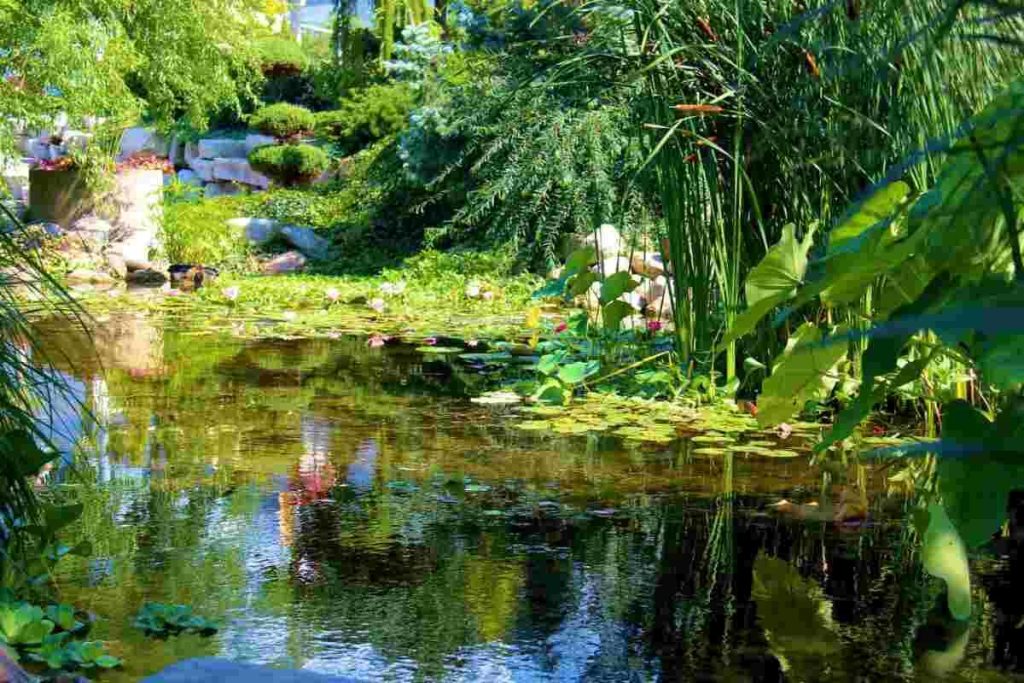
A water garden is a beautiful and serene outdoor space that features water elements, such as ponds, fountains, and aquatic plants. It’s an oasis that not only enhances the aesthetic appeal of your backyard but also provides a habitat for wildlife and a tranquil spot for relaxation. Building a water garden can be a rewarding project that allows you to express your creativity while enjoying nature. To start, you’ll need to decide on the type and size of your garden, gather the right materials, and plan for maintenance. With careful planning and a bit of effort, you can create a stunning water feature that transforms your outdoor living area into a peaceful retreat.

What Is A Water Garden And How To Build One
A **water garden** is a beautiful landscape feature that combines the tranquility of water with the vibrant colors of plants. It can serve as a peaceful retreat in your backyard or a stunning focal point for entertaining guests. The primary elements of a water garden include a pond or a small water feature, aquatic plants, and often fish. Water gardens invite nature into your space, offering a habitat for wildlife, while also providing a serene atmosphere.
But how do you create this picturesque paradise? Building a water garden may seem daunting, but with the right steps, it can be a rewarding project. This guide will walk you through the essentials of creating your own water garden, from selecting the perfect location to maintaining its beauty.
Choosing the Right Location
The first step in building a water garden is selecting the perfect spot. Consider these factors when choosing a location:
- Sunlight: Most aquatic plants thrive in full sun for at least six hours a day.
- Land Drainage: Avoid areas that tend to flood, as excess water can disrupt your garden.
- Visibility: Choose a location that can be easily seen and enjoyed from your home.
Think about how the water garden will look from different angles. You want it to be a beautiful sight from inside your home as well as from your outdoor seating areas.
Deciding on the Size and Style
Once you’ve chosen a location, decide how big and what style your water garden will be. Consider the following styles:
- Formal: These gardens have geometric shapes and clean lines.
- Natural: These designs mimic nature, with curved edges and varying depths.
- Container: A small option using pots or tubs for water plants.
The size of your water garden will depend on your available space. A small garden can be just as effective as a large one if designed thoughtfully.
Gathering Materials
Next, gather the materials needed for your water garden. Here’s a list to consider:
- A preformed pond liner or a flexible liner for a custom shape
- Underlayment material to protect the liner
- A pump for circulating the water (if desired)
- Water plants, including lilies and lotuses
- Decorative rocks or gravel
Make sure to purchase high-quality materials to prolong the life of your water garden.
Creating the Pond or Water Feature
Now it’s time to create your pond or water feature. Follow these simple steps:
1. **Dig the Hole:** If using a flexible liner, dig a hole that matches the shape you have in mind. Make it deeper in spots to create different water levels.
2. **Add Underlayment:** Place underlayment material at the bottom and sides of the hole to protect the liner from sharp objects.
3. **Install the Liner:** Carefully lay the liner over the underlayment, allowing it to extend beyond the edges of the hole.
4. **Shape the Edges:** Once the liner is in place, trim it to fit your desired shape and secure it with rocks or soil.
5. **Add Water:** Fill the pond with water, making sure it’s at the desired level.
Planting Aquatic Plants
Aquatic plants are vital for a thriving water garden. They help keep the water clean and provide oxygen for fish. Here are some popular aquatic plants to consider:
- **Water Lilies:** These float on the surface and add beauty.
- **Lotus:** Known for their stunning blooms and large leaves.
- **Cattails:** They help filter water and attract wildlife.
Plant these in containers filled with aquatic soil, placing them in your pond at varying depths.
Introducing Fish and Wildlife
If you want to add fish, do so after the water has stabilized. Some popular fish for water gardens include:
- Koi
- Goldfish
- Shubunkin
Ensure that the size of your pond can accommodate the fish. It’s important to provide a safe environment for them to thrive.
Maintaining Your Water Garden
Regular maintenance is key to keeping your water garden beautiful and healthy. Here are some tips for proper care:
- Remove debris and fallen leaves to keep the water clear.
- Monitor water levels and refill as needed.
- Trim back overgrown plants to prevent overcrowding.
Consider testing the water quality periodically to ensure a healthy environment for aquatic life.
Common Challenges and Solutions
Building and maintaining a water garden can come with challenges. Here are some common issues and how to address them:
- **Algae Growth:** Use natural solutions like barley straw or introduce aquatic plants that compete for nutrients.
- **Fish Predators:** Consider using a net over your pond to protect fish from birds and other predators.
- **Water Clarity:** A pump and filter system can help maintain clear water.
Addressing these challenges early on will enhance your water garden’s longevity and beauty.
Seasonal Considerations
Your water garden will need different care as the seasons change. Here are some seasonal tips:
- **Spring:** Clean the pond, remove debris, and introduce new plants.
- **Summer:** Monitor water levels, and control algae growth.
- **Fall:** Trim back plants and prepare for winter.
- **Winter:** Protect fish and remove any dying plants.
Being proactive about seasonal changes can ensure your water garden remains attractive year-round.
Incorporating a water garden into your landscape offers numerous benefits. It provides a peaceful retreat, enhances your outdoor space, and attracts wildlife. By following these steps, you can create a stunning water garden that will flourish for years to come. Remember to enjoy the process and take time to relax and appreciate your beautiful new addition.
How to Build a Garden Pond (w/ Monica from The Weekender)
Frequently Asked Questions
What plants are suitable for a water garden?
When choosing plants for a water garden, select a mix of submerged, floating, and marginal plants. Submerged plants, like eelgrass or hornwort, oxygenate the water and provide habitat for aquatic life. Floating plants, such as water lilies and lotus, create shade and reduce algae growth. Marginal plants, like cattails and irises, thrive at the water’s edge and add visual interest to your garden. Consider local climate and hardiness zones to find the best options for your area.
How do you maintain a water garden?
Maintaining a water garden involves regular tasks to keep it healthy and visually appealing. Remove debris, like fallen leaves and dead plants, to prevent decay and maintain water quality. Monitor the water level and refill as necessary, especially during hot weather. Control algae growth by managing sunlight exposure and ensuring proper balance with aquatic plants. Regularly check the health of your plants and fish, and perform partial water changes to refresh the water and promote a balanced ecosystem.
What fish can you keep in a water garden?
You can keep a variety of fish in a water garden, but it’s essential to choose species that thrive in the specific conditions of your pond. Popular options include goldfish and koi, as they adapt well to different water temperatures and conditions. Ensure the pond has sufficient depth for fish to survive colder months. Avoid overcrowding, and provide adequate filtration and aeration to maintain a healthy environment for your aquatic life.
What features can enhance a water garden?
Incorporating features can greatly enhance the beauty and functionality of a water garden. Consider adding a fountain or waterfall to create soothing sounds and movement in the water. Decorative stones and submerged sculptures can serve as focal points. Install lighting to highlight plants and features in the evening, providing an enchanting atmosphere. Additionally, creating seating areas around the garden allows you to enjoy the tranquility and beauty of your water garden.
How does a water garden benefit wildlife?
A water garden offers numerous benefits to local wildlife. It provides a habitat for birds, insects, and amphibians, contributing to biodiversity. The plants offer shelter and breeding grounds for various species, while the water source attracts animals seeking hydration. A balanced ecosystem within the garden fosters healthy populations of beneficial insects that can help control pests in the surrounding area. By creating a water garden, you help sustain and encourage local wildlife.
Final Thoughts
A water garden is a beautiful outdoor space where plants and water coexist, creating a peaceful retreat. To build one, start with selecting a suitable location, then choose a pond size that fits your garden. Incorporate aquatic plants and consider adding features like fountains for movement and sound.
In conclusion, creating a water garden is a rewarding project that enhances your landscape. By understanding “What Is A Water Garden And How To Build One,” you can enjoy the tranquility of nature right in your backyard. With careful planning and design, you’ll create an oasis that brings joy and relaxation.