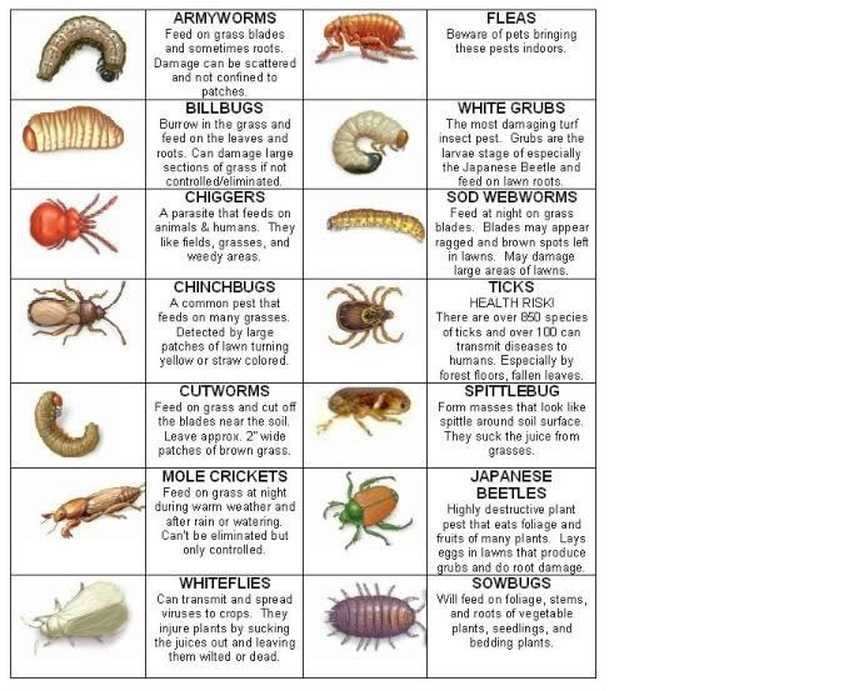
Quick answer: Common lawn pests include insects like grubs, chinch bugs, armyworms, and sod webworms, each causing distinct damage. Identifying these pests early is key to protecting your grass from destruction and maintaining a lush, healthy lawn.
Lawn pests can turn your beautiful yard into a patchy, unhealthy space if left unchecked. From tiny insects underground to those skittering across the surface, these pests have unique habits and signs of infestation. Knowing the different types helps you take targeted action before damage becomes severe. Whether it’s larvae hiding beneath the soil or bugs feasting on blades above ground, understanding your enemy means you can choose the right treatment and keep your lawn looking vibrant all season long. Don’t let these small invaders ruin your outdoor oasis—stay informed and proactive to keep your grass green and thriving.

Types of Lawn Pests
Lawn pests are tiny troublemakers that can cause big damage to your grass and plants. Understanding the different types helps you identify problems early and take action. Let’s explore the most common lawn pests and learn how to manage them effectively.
Insect Pests That Damage Lawns
Chinch Bugs
Chinch bugs are small insects that suck sap from grass blades. They are most active during hot, dry weather. When chinch bugs invade, they turn parts of your lawn yellow or brown, indicating damage.
These pests prefer turfgrass like St. Augustine and Bahia grass. To control chinch bugs, use insecticidal soap or neem oil, and keep your lawn healthy with proper watering and fertilizing.
Armyworms
Armyworms are caterpillars that march across your lawn, feeding on grass leaves. They can quickly strip your turf of its green color. Typically, they are green, brown, or black with stripes.
Control methods include applying biological insecticides containing Bacillus thuringiensis. Regular mowing and removing debris can also discourage armyworms from settling in your yard.
Grubs
Grubs are the larvae of beetles, like Japanese beetles or June bugs. They live underground, feeding on grassroots, which weakens the lawn. Signs of grub infestation include wilting, brown patches, and increased animal activity digging in the soil.
To manage grubs, consider applying nematodes or beneficial bacteria. Maintaining a healthy lawn with proper watering and overseeding helps prevent grub problems.
Sod Webworms
Sod webworms are tiny moth larvae that tunnel into turfgrass at night. They eat grass blades, leaving behind rough patches and web-like silk. During the day, they hide in thatch or soil.
To control sod webworms, use targeted insecticides or biological controls like Bacillus thuringiensis. Proper lawn maintenance, including aeration and dethatching, can reduce their numbers.
Mite Pests Causing Lawn Damage
Spruce Spider Mites
These microscopic pests spin webs on grass and plants. They feed on plant juices, resulting in speckled, yellowed, or bronzed foliage. Heavy infestations can lead to significant weakening of your grass.
Prevent mite infestations by watering your lawn regularly and applying miticides if necessary. Keeping the lawn healthy reduces their chances of thriving.
Billbug Mites
Billbug mites attack turfgrass roots and stems, cutting off nutrient flow. Signs include wilting or dying patches that look like dieback. They often appear in warm seasons.
Managing mites involves removing thatch build-up and applying appropriate miticides. Good lawn hygiene is critical to keep mite populations under control.
Pathogens and Fungal Pests
Dollar Spot Disease
Dollar spot causes small, circular patches of white or light tan on the grass. It is caused by a fungus and thrives in humid conditions. These spots can merge to form irregular large patches.
Reduce the risk by watering early in the day and avoiding over-fertilization. Fungicides may be needed for severe cases.
Brown Patch Disease
Brown patch creates large, irregular brown areas that can quickly spread across a lawn. It is also caused by fungus, especially during hot, humid weather.
Proper lawn aeration and avoiding excessive watering help prevent brown patches. Fungicides can be used if the disease spreads extensively.
Pythium Blight
Pythium blight causes greasy-looking, water-soaked patches that turn brown or black. It spreads rapidly in wet, warm conditions. The grass appears slimy and may die within days.
Maintaining good drainage and avoiding overwatering are key prevention strategies. Fungicides can help control outbreaks.
Other Common Lawn Pests
Pocket Gophers
Pocket gophers are small burrowing rodents that damage roots and create unsightly mounds. They can cause uneven terrain and weaken the grass. They often cause damage by digging tunnels underground.
To manage gophers, consider installing underground barriers or trapping. Removing their food sources and using repellents can also help.
Mole Crickets
Mole crickets tunnel through the soil, feeding on roots and creating mounds on the surface. They are most active in warm seasons and can cause severe lawn thinning. Signs include irregular patches of dead grass and soil mounds.
Control options include soil drenches with insecticidal nematodes or insecticides. Proper irrigation and lawn aeration support soil health and pest resistance.
Preventive Measures and Treatment Options
- Maintain a healthy, well-watered lawn to discourage pests.
- Manage thatch buildup through dethatching and aeration.
- Use pest-specific insecticides or organic solutions.
- Encourage natural predators like birds and beneficial insects.
- Regularly inspect your lawn to catch pest activity early.
Related Topics
- Best practices for lawn care to prevent pests
- Natural pest control methods
- Identifying signs of lawn pest damage
- Choosing pest-resistant grass varieties
Understanding the various types of lawn pests and their habits allows you to protect your yard effectively. Good lawn maintenance, combined with targeted pest control, helps ensure a lush, green, pest-free lawn throughout the season.
Main Types of Lawn Damaging Insects | Expert Lawn Pest Control Tips
Frequently Asked Questions
What are common insect pests that damage lawns?
Several insects can harm your lawn, including grubs, chinch bugs, and armyworms. Grubs feed on grass roots, causing brown patches and turf death. Chinch bugs suck sap from grass blades, leading to yellowed or dead patches. Armyworms consume large areas of grass quickly, leaving behind damaged turf. Regular inspection and early intervention help manage these pests effectively.
How do fungal diseases affect different types of lawns?
Fungal diseases such as brown patch, dollar spot, and rust attack various grass species and cause distinctive symptoms. Brown patch creates large, irregular brown patches with a necrotic border, especially in humid conditions. Dollar spot appears as small, circular, straw-colored spots that expand over time. Rust causes yellow or orange powdery spores on grass blades. Proper lawn care, including aeration and appropriate watering, reduces the risk of fungal infections.
Which rodents are known to damage turf, and what signs should I look for?
Mice, voles, and moles are common rodents that damage lawns. Moles create tunnels and mounds of soil on the surface, making the turf uneven. Voles gnaw on roots and stems, leading to patches of dead grass. Mice may also burrow and feed on young plants. Look for animal burrows, runways, and uneven patches to identify rodent presence and determine the best removal strategy.
Final Thoughts
Types of lawn pests vary widely, from insects like grubs and chinch bugs to larger pests such as moles and voles. Each pest type damages lawns differently, causing issues like brown patches or uneven growth. Recognizing these pests early helps you take targeted action. Understanding the different types of lawn pests ensures you can protect your lawn effectively and maintain its lush appearance.