Sunflowers with purple stems catch your eye immediately. They look almost too dramatic to be real, like someone dipped the stalks in wine. But they're completely natural, and they've become one of the most sought-after ornamental varieties for home gardens and cut flower farms alike.
Whether you're trying to identify a purple-stemmed variety you already have, or you're planning your next planting season, understanding what causes that rich color will help you grow better sunflowers. Here's what's actually going on beneath the surface.
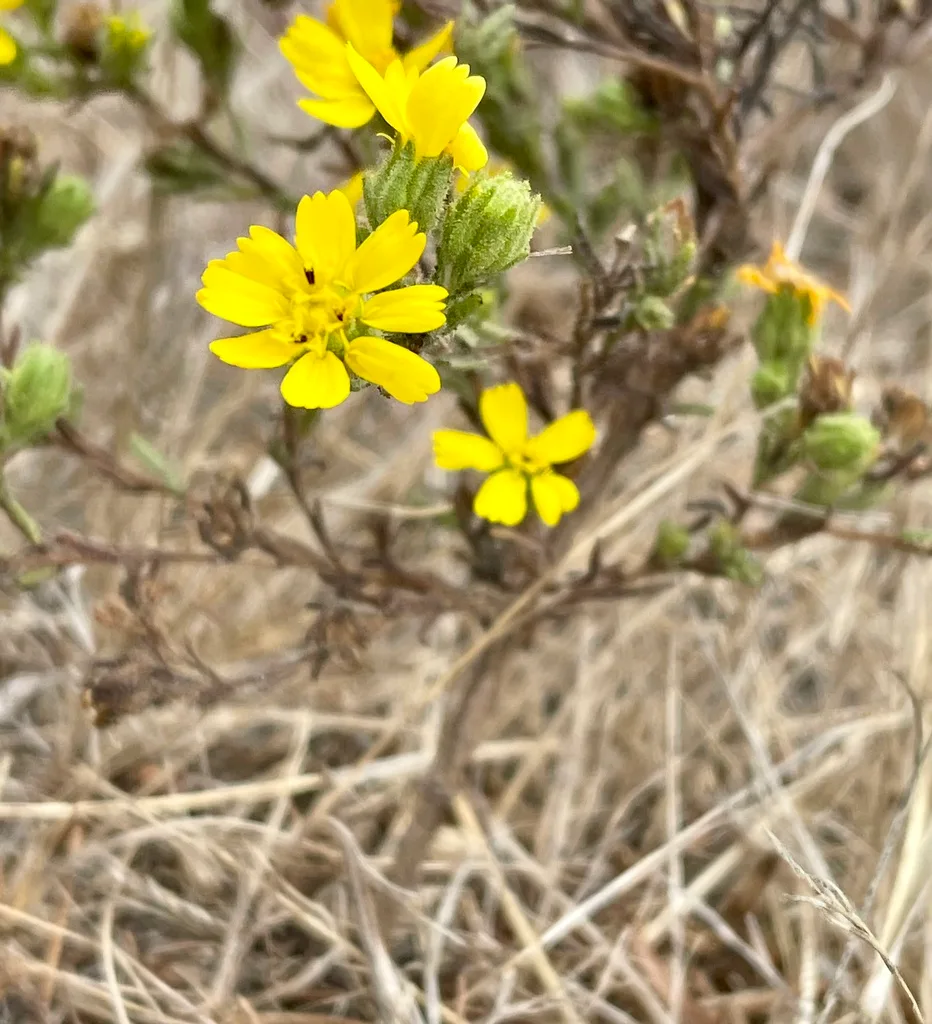
Image source: iNaturalist / Irene
Quick Answer: What Causes Purple Stems in Sunflowers?
Sunflowers with purple stems get their color from anthocyanin pigments. These are the same compounds that make blueberries blue and red cabbage red. The amount of anthocyanin a sunflower produces is controlled by its genetics.
Soil pH, sunlight intensity, and temperature also influence how deep the purple appears. Not all purple stems signal a healthy plant, though. Some discoloration comes from nutrient deficiencies or fungal issues.
How Sunflower Stem Color Works: Pigments, Genetics, and Environment
Stem color in sunflowers isn't random. It's the result of specific pigments interacting with the plant's genetic code and the growing conditions around it. Let's break down each factor.
The Role of Anthocyanins
Anthocyanins are water-soluble pigments found in many plants. In sunflowers, they accumulate in the stem tissue and produce shades ranging from light lavender to deep burgundy. The exact hue depends on which anthocyanin compounds are present and how concentrated they are.
These pigments serve a functional purpose beyond looks. Research published in the Journal of the American Society for Horticultural Science indicates that anthocyanins can help protect plant tissue from UV damage and oxidative stress. So that purple stem isn't just decorative, it's doing real work.
How Genes Control Stem Color
Stem color is a heritable trait. Breeders select for specific anthocyanin expression patterns when developing ornamental cultivars. Varieties like 'Chianti' and 'Claint' carry genes that promote heavy anthocyanin production in the stems, while standard oilseed sunflowers typically carry genes that suppress it.
If you save seeds from a purple-stemmed plant, the offspring won't always match the parent. Color intensity can shift from generation to generation unless the variety is a stabilized cultivar or F1 hybrid.
Why Soil, Sunlight, and Temperature Change the Shade
Even with the right genetics, environment plays a role. Anthocyanin production tends to increase under these conditions.
- Cooler temperatures during early stem development
- Full sun exposure (6 to 8+ hours daily)
- Slightly acidic to neutral soil pH (6.0 to 7.5)
- Moderate phosphorus levels (too little causes stress-related purpling that's different from genetic purple)
A 'Moulin Rouge' grown in partial shade may show only faint purple streaking. The same variety in full sun with cool nights can develop stems so dark they look nearly black.
Purple-Stemmed Sunflower Varieties Worth Growing
Not all purple-stemmed sunflowers are created equal. Some are bred specifically for cut flower production, while others shine in landscape beds. Here are the standouts.
'Chianti' — The Classic Dark Stem
'Chianti' is probably the most recognized purple-stemmed sunflower on the market. It produces deep burgundy-to-black stems with relatively small, dark-centered flower heads. The plant typically reaches 5 to 6 feet tall and works beautifully as a backdrop in mixed borders.
It's a branching variety, meaning it produces multiple stems per plant. That makes it a solid choice for cut flower growers who want continuous harvests.
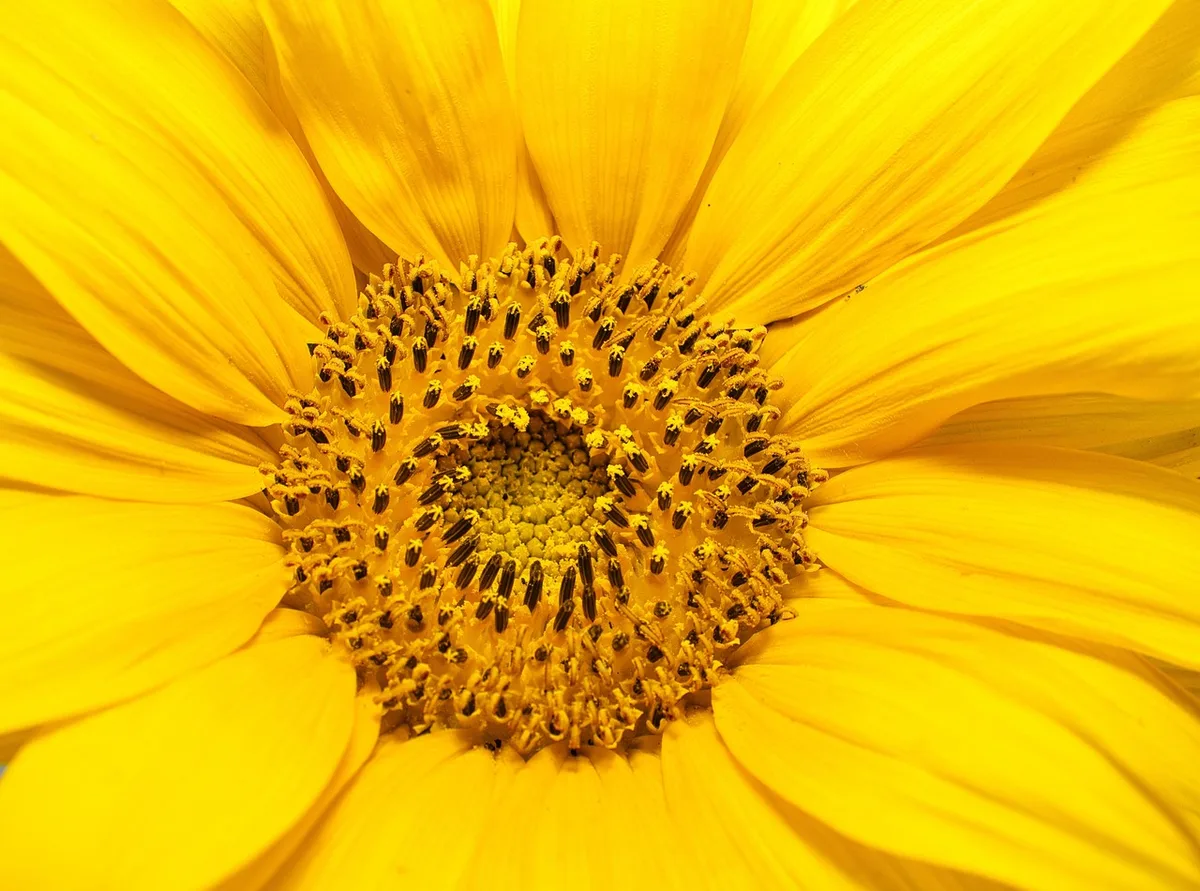
Image source: Pixabay / gidlark01 (Pixabay Content License)
'Claret' — Deep Burgundy and Reliable
'Claret' is often compared to 'Chianti' but tends to have a slightly more uniform burgundy stem color. The flower heads are a bit larger, with rich mahogany petals. It grows to about 5 feet and is widely available from seed companies like Johnny's Selected Seeds and Baker Creek Heirloom Seeds.
Gardeners consistently report that 'Claret' holds its stem color well even in warmer climates where other purple varieties fade.
'Moulin Rouge' — Dramatic and Tall
If you want height and drama, 'Moulin Rouge' delivers. This variety can reach 6 to 7 feet with deep purple-black stems and velvety dark red flower heads. It's pollenless, which makes it a favorite for cut flower arrangements since it won't shed on tabletops.
The color expression is strongest when nights are cool during the vegetative growth stage.
'Black Oil' Strains — Subtle Purple Undertones
Standard black oil sunflowers, the kind grown for birdseed, sometimes show purple or bluish-purple stem tints. This isn't as dramatic as the ornamental varieties, but it's a natural expression of anthocyanins in the species. If you've grown birdseed sunflowers and noticed a purplish cast to the stems, that's completely normal.
Other Notable Purple-Stemmed Cultivars
A few other varieties worth knowing about.
- 'Night Sun', tall with dark stems and coppery petals
- 'Earthwalker', warm-toned flowers with reddish-purple stems
- 'Italian White', pale petals that contrast strikingly with dark purple stems
- 'Sunrich Lime', chartreuse flowers on deep burgundy stems
Availability shifts year to year, so check current catalogs from reputable seed suppliers as of 2026.
How to Tell Purple Stems From Disease or Nutrient Deficiency
This is where things get tricky. Not every purple-stemmed sunflower is a prize-winning cultivar. Sometimes purple stems signal a problem.
Knowing the difference can save your whole crop.
Phosphorus Deficiency vs. Natural Purple Pigmentation
Phosphorus deficiency is the most common cause of unnatural purple discoloration in sunflowers. When a plant can't access enough phosphorus, it often develops a purplish tint on the stems and leaf undersides. But there are key differences.
| Sign | Natural Purple (Genetic) | Phosphorus Deficiency |
|---|---|---|
| Color pattern | Uniform along the stem | Starts at the base or leaf veins |
| Plant vigor | Normal growth, strong stems | Stunted growth, weak stems |
| Leaf appearance | Healthy green leaves | Dark green or reddish-purple undersides |
| Response to fertilizer | No change | Improves with phosphorus application |
If your sunflower is purple but growing strong with healthy foliage, it's almost certainly a genetic trait. If growth seems slow and the lower leaves look off, test your soil before assuming it's a fancy variety.
Fungal Infections That Mimic Purple Stems
Fungal issues like Sclerotinia stem rot and Verticillium wilt can cause discoloration that looks superficially like purple pigmentation. The difference is texture. Fungal infections often come with soft, mushy stem tissue, white mold growth, or wilting that doesn't recover after watering.
Genetic purple stems are firm and healthy throughout. If you slice into a purple stem and the interior is solid and green-white, you're fine. If it's brown, hollow, or slimy, you've got a disease problem.
Image source: Pixabay / DominikRh (Pixabay Content License)
A Simple Visual Checklist
When you're unsure whether a purple stem is genetic or problematic, run through this quick checklist.
- Is the plant growing at a normal rate for its variety?
- Are the leaves uniformly green without curling or spotting?
- Is the stem firm when you squeeze it gently?
- Does the purple color extend evenly rather than appearing in patches?
- Are nearby sunflowers of the same variety showing the same color?
If you answered yes to all five, you're looking at a healthy purple-stemmed cultivar. If any answer is no, investigate further before assuming it's a variety trait.
Growing Purple-Stemmed Sunflowers: Step-by-Step
Getting the best color from purple-stemmed varieties comes down to timing, soil prep, and sunlight. The genetics do the heavy lifting, but you've got to give the plant the right conditions to express that pigment fully.
Choosing the Right Seeds
Start with a reputable seed source. Johnny's Selected Seeds, Baker Creek Heirloom Seeds, and American Takii all carry verified purple-stemmed cultivars. Look for variety names on the packet rather than vague descriptions like "dark sunflower mix." A named cultivar gives you predictable results.
If you're growing for cut flowers, choose pollenless varieties like 'Moulin Rouge.' They last longer in vases and won't drop pollen on everything.
Soil Prep and pH Considerations
Sunflowers aren't fussy about soil, but pH matters for color expression. Aim for a range between 6.0 and 7.5. A simple soil test from your local extension service will tell you where you stand.
Work in a balanced fertilizer before planting. Avoid high-nitrogen formulas, though. Too much nitrogen pushes leafy growth at the expense of stem color intensity.
A 5-10-10 or similar bloom-focused blend works well.
Planting, Spacing, and Sunlight Needs
Direct sow after your last frost date. Plant seeds about 1 inch deep and space them 6 to 24 inches apart depending on the variety. Dwarf types can go closer together.
Full-size cultivars like 'Moulin Rouge' need the wider spacing to develop strong stems.
Full sun is non-negotiable. These plants need 6 to 8 hours of direct light minimum. Less than that and the purple fades to a washed-out greenish-lavender.
If you're in a hot southern climate, a spot with afternoon shade can actually help preserve color by reducing heat stress.
When to Expect Color to Show Up
Don't panic if your seedlings start out green. Purple pigmentation usually kicks in during the rapid vegetative growth stage, around 3 to 4 weeks after germination. The color deepens as the stem matures and is usually fully expressed by the time the flower bud forms.
Cooler nighttime temperatures during this window intensify the effect. That's why early spring plantings often show the deepest color. Late-summer sowings in hot climates may produce stems that are more burgundy than true purple.
What Purple-Stemmed Sunflowers Are Best For
These aren't just pretty plants. They serve specific roles in gardens and floral design that green-stemmed varieties can't match.
Cut Flower Arrangements
Purple-stemmed sunflowers are a florist's secret weapon. The dark stems add depth and contrast to bouquets in a way that green stems simply can't. Varieties like 'Chianti' and 'Moulin Rouge' are bred specifically for the cut flower trade.
They hold up well in vases for 7 to 10 days with fresh water and a drop of bleach. The stems stay visually interesting even as the petals begin to wilt.
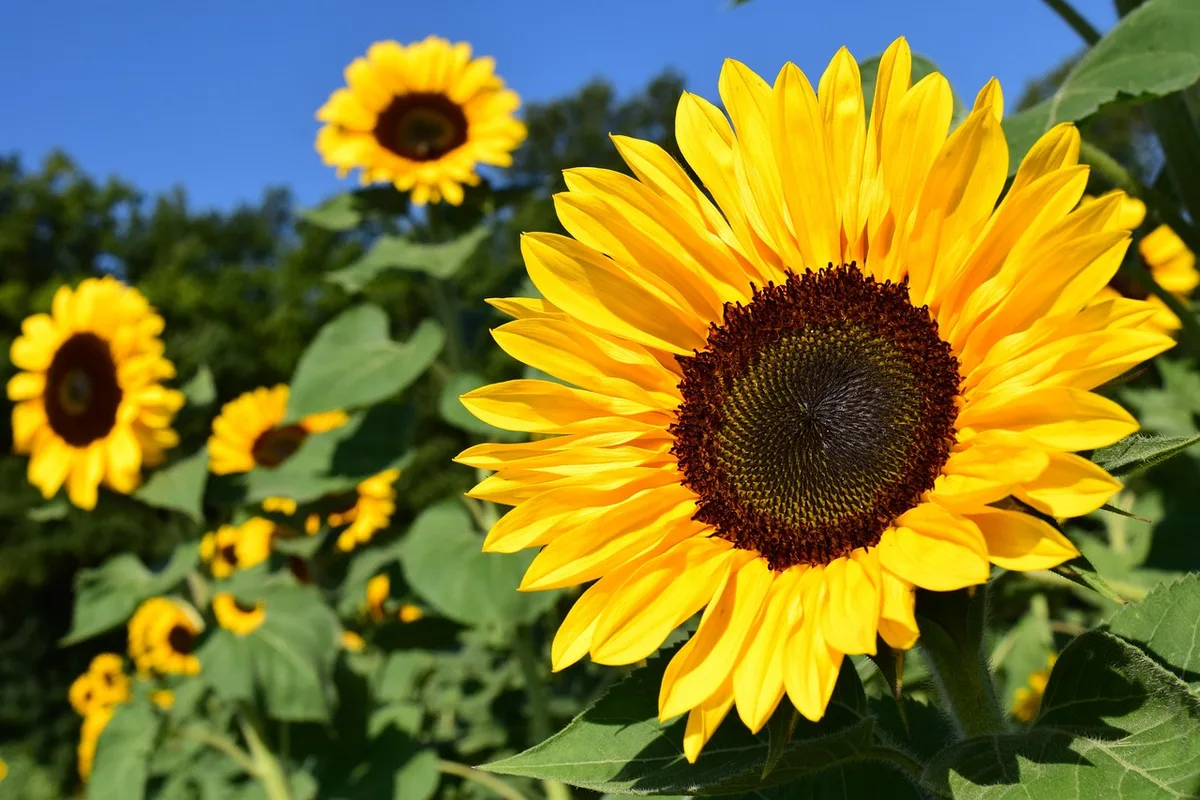
Image source: Pixabay / ulleo (Pixabay Content License)
Pollinator and Ornamental Gardens
Bees and butterflies don't care about stem color, but you might. Purple-stemmed varieties create a striking backdrop for lighter-colored perennials and annuals. Plant them behind white cosmos, pale zinnias, or silver-leafed dusty miller for a dramatic contrast.
They also work well in pollinator garden designs where visual impact matters alongside ecological function. The dark stems make the bright flower heads pop even more.
Photography and Landscape Design
If you're designing a space that needs to photograph well, purple-stemmed sunflowers deliver. The color reads beautifully on camera and adds a moody, editorial quality to garden photos. Landscape designers often use them as focal points in mixed borders precisely because they hold visual weight even from a distance.
Common Mistakes When Growing Purple-Stemmed Sunflowers
Even experienced gardeners run into issues with these varieties. Here are the most frequent missteps.
- Planting too late in the season. Heat reduces pigment intensity. Early sowing gives you the richest color.
- Over-fertilizing with nitrogen. Lush green growth at the expense of stem color is the usual result.
- Assuming all purple stems are genetic. Always rule out phosphorus deficiency or fungal issues before celebrating your find.
- Crowding plants. Poor air circulation invites fungal diseases that can cause stem discoloration mimicking purple pigmentation.
- Ignoring soil pH. Highly alkaline soil can mute anthocyanin expression significantly.
The biggest mistake? Buying unnamed seed mixes and expecting specific results. If you want reliable purple stems, buy a named cultivar from a trusted supplier.
Side-by-Side: Purple-Stemmed vs. Green-Stemmed Varieties
Here's a quick comparison to help you decide which type fits your garden.
| Factor | Purple-Stemmed | Green-Stemmed |
|---|---|---|
| Stem color | Burgundy to near-black | Standard green |
| Anthocyanin content | High | Low to none |
| Ornamental value | High visual drama | Classic, clean look |
| Cut flower demand | Premium pricing | Standard market rate |
| Heat tolerance | Color may fade in extreme heat | Color stable |
| Availability | Specialty catalogs | Widely available |
| Growth rate | Similar to green varieties | Baseline |
| Pollinator value | Equal | Equal |
Neither type is inherently better. It comes down to what you're going for aesthetically and whether you're growing for your own garden or for market sales.
Expert Tips for the Deepest, Richest Stem Color
Getting that jaw-dropping, near-black stem takes more than just planting a purple variety and hoping for the best. A few targeted practices make a real difference.
Start with site selection. A west-facing bed that gets intense afternoon sun but some relief from the hottest late-day heat produces strong pigment without scorching the plant. In zones 8 and south, that afternoon shade buffer is critical.
Water consistently but don't overdo it. Mild drought stress during the vegetative stage can actually boost anthocyanin concentration. Let the soil dry slightly between waterings once the plant is established.
Just don't push it to the point of wilching.
Mulch around the base to keep root temperatures stable. Fluctuating soil temps stress the plant and can cause uneven color expression. A 2-inch layer of straw or shredded bark does the job.
Finally, resist the urge to stake too early. A little wind movement strengthens the stem and can improve pigment distribution along the stalk. Only stake if the plant is genuinely top-heavy or in an exposed location.
Frequently Asked Questions
Are purple-stemmed sunflowers a different species?
No. They're cultivars of Helianthus annuus, the same common sunflower species you've always grown. The purple stem is a selected trait, not a separate species.
Can I save seeds from my purple-stemmed sunflowers?
You can, but the results aren't guaranteed. Open-pollinated varieties like 'Chianti' will come fairly true if you isolate them from other sunflowers. F1 hybrids won't breed true, and the offspring may show variable stem color.
Why did my purple sunflower stems turn green?
Heat is the usual culprit. Prolonged temperatures above 90°F can suppress anthocyanin production. Insufficient sunlight and over-fertilization with nitrogen are other common causes.
Are purple-stemmed sunflowers edible?
The seeds are edible, just like any other sunflower. The stems themselves aren't typically consumed. There's no toxicity concern with the anthocyanin pigments, they're the same compounds found in many common foods.
Do purple-stemmed sunflowers attract more pollinators?
No evidence suggests stem color affects pollinator behavior. Bees and butterflies respond to flower color, nectar, and pollen. The stem is irrelevant to them.
How tall do purple-stemmed sunflowers get?
Most ornamental cultivars reach 5 to 7 feet. Dwarf varieties may stay under 4 feet. Check the specific variety description for mature height expectations.
Final Thoughts: Are Purple-Stemmed Sunflowers Worth It?
If you want visual impact in your garden or your bouquets, absolutely. Purple-stemmed sunflowers bring a level of drama that standard varieties can't touch. They're not harder to grow, they just need the right conditions to show their best color.
Stick with named cultivars from reputable seed suppliers. Give them full sun, moderate fertility, and a little attention to timing. You'll end up with stems so dark and rich they look like they belong in a painting rather than a garden bed.