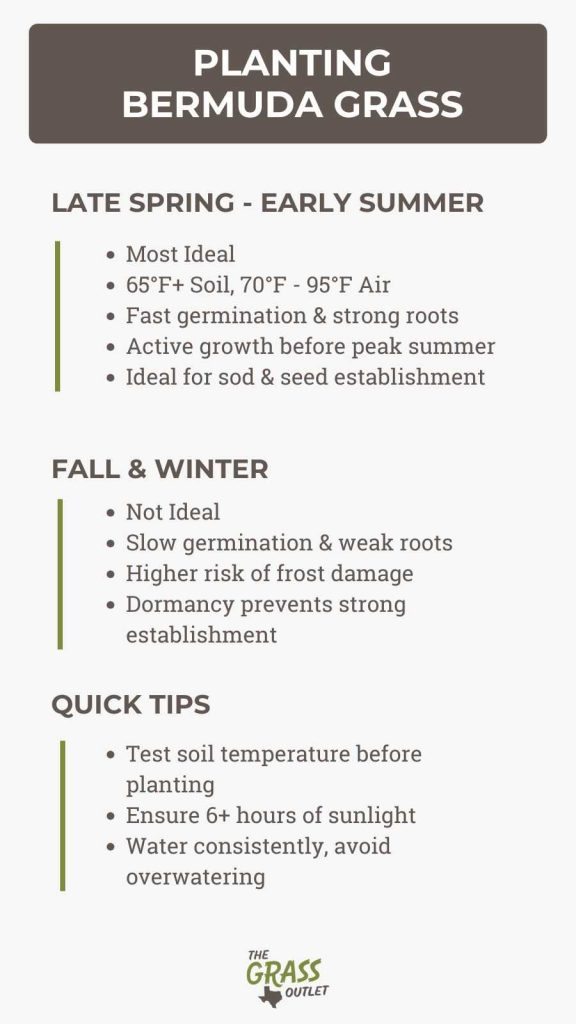
The ideal soil temperature for Bermuda grass seed to germinate and establish thick, lush turf is between 65°F and 70°F. Keeping your soil within this range can significantly boost germination success and healthy growth. For the best results, monitor your soil temperature closely and consider timing planting during warmer months when conditions are optimal.
In brief, Bermuda grass seeds thrive when soil temperatures are consistently between 65°F and 70°F. Planting during this window helps ensure quick germination and strong development, leading to a beautiful, resilient lawn. Understanding the right soil temperature is key to successful planting and long-term grass health.
Getting Bermuda grass to grow well starts with the right soil conditions, and temperature plays a crucial role. If the soil is too cold, seed germination slows down or may not happen at all; too hot, and it can stress young seedlings. To give your Bermuda grass the best start, check your soil temperature with a simple soil thermometer before planting. This way, you’ll know exactly when the conditions are just right, ensuring your yard develops into a vibrant, green oasis. Proper timing combined with the right soil warmth guarantees a healthy, dense Bermuda grass lawn that lasts for years to come.

Soil Temp for Bermuda Grass Seed
Understanding the Role of Soil Temperature in Bermuda Grass Growth
Soil temperature is a crucial factor for Bermuda grass seed germination. It influences how quickly and successfully seeds sprout and develop. When soil temperature is just right, Bermuda grass can grow strong and healthy.
If the soil is too cold or too hot, seeds may struggle to germinate. This can lead to patchy lawns or delayed growth. Therefore, monitoring soil temperature helps you decide the best time to plant Bermuda grass seed.
Ideal Soil Temperature Range for Bermuda Grass Seed
Bermuda grass seeds germinate best when soil temperatures are between 65°F and 75°F. Within this range, the seeds sprout quickly and grow vigorously.
Germination tends to slow down or stop if temperatures fall below 60°F. On the other hand, temperatures above 85°F can stress the seeds and hinder sprouting.
Knowing this range helps plan your planting schedule effectively. It ensures the soil is at an optimal temperature for the best results.
How to Measure Soil Temperature Accurately
Using a reliable soil thermometer is key when checking soil temperature. Insert the thermometer into the soil at a depth of about 1 to 2 inches. Wait for a few minutes to get an accurate reading.
For the most accurate results, measure soil temperature at the same time each day, preferably in the morning. Keep a record of your readings to track changes over days or weeks.
Remember to avoid measuring soil temperature right after rainfall or irrigation. Moisture can temporarily alter temperature readings, leading to inaccurate data.
Best Practices for Timing Bermuda Grass Seed Planting
The best time to plant Bermuda grass seed is when soil temperatures are consistently within the ideal range. In most regions, this is late spring to early summer.
Monitor local weather forecasts and soil temperature data to choose the right planting window. Avoid planting if soil is too cold early in the season or if extreme heat is expected soon.
Starting at the right time improves germination rates and promotes lush, even turf growth. It also minimizes the risk of seed failure due to unfavorable soil conditions.
How Soil Temperature Affects Germination and Growth Rate
Proper soil temperature speeds up germination. Seeds usually sprout within 7 to 14 days when conditions are ideal, but only if soil is warm enough.
When soil is too cold, germination may take longer or may not happen at all. Cold soil delays sprouting and can lead to weak seedling development.
Conversely, excessively hot soil can cause seeds to dry out or become stressed, which lowers the chances of successful germination. Maintaining the right temperature helps ensure healthy seedling emergence and vigorous growth.
Factors Affecting Soil Temperature
Several environmental factors influence soil temperature. These include:
- Sunlight exposure: Areas with full sun tend to have warmer soil temperatures.
- Soil type: Sandy soils heat up faster than clay or loam soils.
- Air temperature: Warm air increases soil temperature, while cooler air keeps it lower.
- Mulch and organic matter: These can insulate soil, affecting temperature fluctuations.
Understanding these factors helps you manage planting conditions for better germination success.
Adjusting Soil Temperature for Ideal Germination
If soil temperatures are below the ideal range, you can take steps to warm the soil. Techniques include:
- Applying black plastic mulch: Absorbs sunlight and warms the soil.
- Planting later in the season: waits until soil naturally warms up.
- Increasing sun exposure: Remove obstructions to allow more sunlight on the planting area.
On the flip side, if soil temperature is too high, consider watering late in the evening to cool the soil. Shading the area with light-colored fabric can also help moderate soil temperature.
Seasonal Considerations for Bermuda Grass Seeding
Early spring is typically the best season to plant Bermuda grass when soil temperatures begin to rise. Late spring and early summer follow as temperatures reach the optimal range.
Avoid seeding late in the fall or during winter, especially in cooler climates, as soil temperatures will be too low for proper germination.
In regions with mild winters, Bermuda grass can sometimes be seeded in fall if soil temperatures stay within the proper range. Always check local soil temperature data before planning.
Common Mistakes Related to Soil Temperature
One common mistake is planting too early in the season, when soil is still too cold. Seeds may fail to germinate or produce weak seedlings.
Another mistake is not testing soil temperature regularly, leading to guesswork about planting time. This can cause delays or poor turf development.
Overheating the soil with excessive sun exposure or mulch can also stress seeds and impede germination. Proper management of soil temperature leads to better germination and healthy lawns.
Related Topics to Consider for Bermuda Grass Success
Beyond soil temperature, other factors impact Bermuda grass growth:
- Soil fertility: Ensure soil has enough nutrients for healthy grass development.
- Watering practices: Keep soil moist but not waterlogged during germination.
- Seeding techniques: Use proper methods to distribute seeds evenly for uniform growth.
- Sunlight needs: Bermuda grass thrives in full sun, so select a sunny location for planting.
Addressing these factors along with soil temperature ensures a thriving Bermuda grass lawn.
Summary of Key Soil Temperature Facts for Bermuda Grass Seed
| Factor | Optimal Range |
|---|---|
| Germination Temperature | 65°F to 75°F |
| Too Cold | Below 60°F |
| Too Hot | Above 85°F |
| Best Planting Time | Late spring to early summer |
Knowing these facts helps ensure the best start for Bermuda grass.
Final Tips for Success in Bermudagrass Seeding
Always test soil temperature before planting to avoid germination issues. Use a reliable thermometer for accurate readings.
Plan your seeding schedule around soil temperature data specific to your location. In cooler climates, wait until soil warms up naturally.
Maintaining soil at the right temperature, combined with proper watering, fertilizing, and sunlight, sets the stage for a lush Bermuda grass lawn. Regular monitoring and patience ultimately lead to the best results.
Soil Temperature & Grass Seed Germination
Frequently Asked Questions
What is the ideal soil temperature range for planting Bermuda grass seed?
The best soil temperature for planting Bermuda grass seed is between 65°F and 70°F (18°C to 21°C). At this temperature range, the seeds germinate quickly and develop into healthy plants. Planting outside this range can result in slower germination or poor establishment, so it’s essential to check your soil temperature before sowing.
How does soil temperature affect Bermuda grass seed germination speed?
Soil temperature directly influences the rate at which Bermuda grass seeds germinate. When temperatures are within the optimal range, seeds sprout within 7 to 14 days. If the soil is too cold or too hot, germination slows down significantly or may not occur at all, leading to poor lawn establishment.
What steps should I take if my soil temperature isn’t in the ideal range during planting?
If your soil temperature falls outside the ideal range, consider waiting for warmer days or using soil heating methods such as covering the area with black plastic to raise the temperature naturally. Alternatively, delay planting until the soil warms up to promote healthy germination and growth of Bermuda grass seeds.
Can soil temperature fluctuate significantly within a day, and how does that impact seed planting?
Yes, soil temperature can fluctuate during the day, especially in transitional seasons. These fluctuations can cause inconsistent germination rates. To avoid this, choose planting times when soil temperatures are stable and predictably within the optimal range, typically during the warmest parts of the day.
Does soil moisture content interact with soil temperature when planting Bermuda grass seed?
Absolutely. Proper soil moisture enhances seed germination, especially within the optimal temperature range. Dry soil can hinder germination even if the temperature is ideal, while overly wet soil can lead to fungal issues. Maintain consistent moisture levels to support healthy seed development alongside appropriate soil temperatures.
Final Thoughts
Maintaining the right soil temp for bermuda grass seed is essential for healthy growth. Ideally, the soil temperature should be between 65°F and 75°F for optimal germination. When temperatures stay within this range, the seeds sprout quickly and establish strong roots.
Monitoring soil temperature regularly helps you determine the best time to plant. Proper timing ensures successful turf development and a lush, green lawn.
In summary, soil temp for bermuda grass seed plays a crucial role in planting success. Keep the soil within the recommended temperature range for best results and a vibrant lawn.