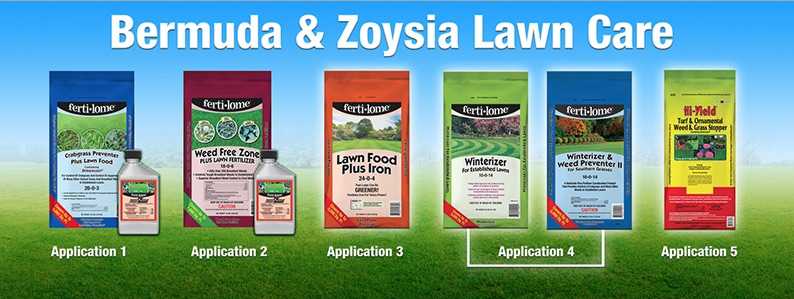
The best Bermuda grass fertilizer for a lush, green lawn is one that provides balanced nutrients and promotes healthy growth during the warm months. For an instantly vibrant and resilient Bermuda grass, choose a fertilizer rich in nitrogen, which encourages vigorous foliage growth while also containing phosphorus and potassium for root development and overall health. Applying the right fertilizer at the right time can transform your lawn into a vibrant, thick carpet of green.
To keep your Bermuda grass thriving, use a slow-release nitrogen fertilizer in spring and summer, ensuring consistent nourishment without risking burn. Look for formulas labeled specifically for warm-season grasses, and follow application instructions carefully. With proper fertilization, your lawn will flourish, looking beautiful and healthy all season long.
Choosing the right fertilizer for Bermuda grass can be a game-changer for your yard, especially during peak growing seasons. To get the best results, focus on a balanced, nitrogen-rich formula tailored for warm-season grasses, applying it at recommended intervals for optimal growth and greening. Proper fertilization ensures a dense, vibrant lawn that stands out in your neighborhood and stays healthy through the seasons.

Best Bermuda Grass Fertilizer: Your Complete Guide for a Lush Lawn
Understanding the Nutritional Needs of Bermuda Grass
Bermuda grass thrives when it receives the right balance of nutrients. It primarily needs nitrogen, phosphorus, and potassium to stay healthy and green. Nitrogen is crucial for lush, dense growth, while phosphorus supports root development, and potassium helps the grass withstand drought and disease. Knowing these needs helps you choose the most effective fertilizer.
Key Nutrients for Bermuda Grass
- Nitrogen (N): Promotes vibrant green color and vigorous growth.
- Phosphorus (P): Supports strong root systems and initial establishment.
- Potassium (K): Enhances drought resistance and improves overall plant health.
A balanced fertilizer ensures your Bermuda grass stays healthy across different seasons and growing conditions.
Types of Fertilizers Suitable for Bermuda Grass
Bermuda grass responds well to several fertilizer forms. The main types include granular, liquid, and slow-release fertilizers. Each type offers unique benefits for different lawn maintenance routines. Understanding these options helps you choose what works best.
Granular Fertilizers
Granular fertilizers are easy to apply and provide nutrients over time. They are suitable for regular maintenance and can be spread evenly using a lawn spreader. Choose slow-release options for longer-lasting effects.
Liquid Fertilizers
Liquid fertilizers act quickly, making them perfect for a quick boost during the growing season. They are applied with a spray and absorbed rapidly by the grass. Use these for immediate response, especially during stress periods.
Slow-Release Fertilizers
Slow-release fertilizers release nutrients gradually, reducing the risk of overfeeding. They offer sustained feeding over several weeks, making them ideal for busy homeowners.
Seasonal Fertilization Schedule for Bermuda Grass
Applying fertilizer at the right times maximizes growth and health. Typically, Bermuda grass benefits from fertilization during the active growing months from spring through late summer.
Spring Fertilizer Application
Start fertilization early spring to encourage new growth. Use a fertilizer high in nitrogen to promote lush leaf development. This set-up prepares the lawn for the upcoming warm months.
Summer Feeding Tips
During summer, continue to fertilize every six to eight weeks. Focus on fertilizers with higher nitrogen content to support vigorous growth and maintain lush, green coverage.
Fall Fertilization Strategies
Reduce fertilization as temperatures drop but do not completely stop. Applying a balanced fertilizer helps the grass store nutrients for winter dormancy and prepares it for the next spring.
How to Choose the Best Bermuda Grass Fertilizer
Picking the right fertilizer involves considering factors like lawn condition, soil health, and local climate. Testing your soil can give clues about what nutrients are lacking and guide your choice.
Check Soil pH and Nutrient Levels
A soil test reveals pH and nutrient status, guiding you to select fertilizer with the right nutrient balance. Bermuda grass prefers a pH between 6.0 and 7.0 for optimal growth.
Look for a Balanced N-P-K Ratio
Choose a fertilizer with an appropriate nitrogen, phosphorus, and potassium ratio. For general maintenance, a 16-4-8 or 21-7-14 ratio works well.
Consider Organic vs Chemical Fertilizers
Organic options like composted manure and fish emulsion improve soil health naturally. Chemical fertilizers offer immediate results and precise nutrient ratios. Both can work depending on your lawn’s needs and your preferences.
Application Tips for Best Results
Proper application guarantees your Bermuda grass receives nutrients evenly and minimizes waste.
Follow Manufacturer Instructions
Always read the label for specific application rates and timing. Over-fertilizing can damage your lawn and harm the environment.
Timing and Frequency
Apply fertilizer during active growth periods and avoid fertilizing during dormancy. Regular but not excessive applications support steady growth.
Using Proper Equipment
Use a broadcast or drop spreader for even distribution. For liquid fertilizers, a spray tank ensures uniform coverage.
Common Mistakes to Avoid with Bermuda Grass Fertilizer
Incorrect fertilization can lead to issues like thatch buildup, disease, or poor growth. Avoid these common mistakes for a healthy lawn:
- Over-fertilizing, especially with nitrogen, which can cause thatch problems.
- Applying fertilizer during dormancy or extreme heat, which stresses the grass.
- Ignoring soil tests, leading to mismatched nutrient applications.
- Using low-quality or expired fertilizers that do not deliver promised nutrients.
Top Selected Fertilizer Products for Bermuda Grass
Based on reviews and effectiveness, several fertilizers stand out for Bermuda lawns. These products offer balanced nutrients and easy application.
| Product Name | Nutrient Ratio (N-P-K) | Type | Application Frequency | Special Features |
|---|---|---|---|---|
| Scotts Turf Builder Lawn Food | 32-0-4 | Granular, Slow-release | Every 6-8 weeks | Promotes thick, green growth |
| Milorganite Organic Nitrogen Fertilizer | 6-4-0 | Organic, Slow-release | Every 8-10 weeks | Natural nutrients, improves soil health |
| Jonathan Green Special Greens | 18-24-12 | Granular | Every 6-8 weeks | Boosts lush foliage and root growth |
| FoxFarm Grow Big Liquid Fertilizer | 3-2-4 | Liquid | Every 2-4 weeks | Fast-acting, ideal for quick response |
Environmental Considerations When Fertilizing Bermuda Grass
Applying fertilizer responsibly minimizes environmental impacts like water pollution. Always follow recommended rates and timing, and consider using slow-release or organic fertilizers.
Preventing Runoff and Leaching
Apply fertilizers during dry weather and avoid excessive amounts. Use slow-release options to minimize nutrient runoff into waterways.
Choosing Eco-Friendly Options
Opt for organic fertilizers that improve soil health naturally. They reduce the risk of chemical runoff and support sustainable lawn care.
Proper Watering Practices
Water your lawn after fertilizing to help nutrients penetrate the soil. Avoid overwatering, which can wash away nutrients and cause runoff.
The best Bermuda grass fertilizer depends on your lawn’s specific needs, soil condition, and local climate. Regular testing and following proper application techniques lead to a lush, vibrant, and healthy lawn. Selecting high-quality, balanced fertilizers ensures your Bermuda grass remains resilient and beautiful through every season.
The 7 Best Bermuda Grass Fertilizers for a Lush, Green Lawn!
Frequently Asked Questions
What nutrients should I look for in a fertilizer for Bermuda grass?
When choosing a fertilizer for Bermuda grass, prioritize products that contain nitrogen, phosphorus, and potassium. Nitrogen promotes lush, green growth, while phosphorus supports root development, and potassium enhances drought tolerance and overall grass health. A balanced fertilizer with an appropriate ratio of these nutrients ensures vibrant and resilient Bermuda grass.
How often should I fertilize my Bermuda lawn during the growing season?
During the peak growing months, fertilize your Bermuda grass every 6 to 8 weeks. Applying fertilizer consistently helps maintain healthy growth and a dense, green turf. Adjust the frequency based on your local climate, soil conditions, and the specific fertilizer’s instructions to avoid over-fertilization.
Are slow-release fertilizers better for Bermuda grass compared to quick-release types?
Yes, slow-release fertilizers offer a more steady supply of nutrients over time, reducing the risk of nutrient runoff and promoting sustained growth. They help maintain consistent color and density, especially in warm climates where Bermuda grass thrives. Quick-release fertilizers provide immediate nutrients but may require more frequent applications.
Can organic fertilizers be effective for Bermuda grass lawns?
Organic fertilizers can effectively nourish Bermuda grass when applied correctly. They improve soil health and provide nutrients gradually, encouraging healthy root systems. However, organic options may have lower nutrient concentrations, so you might need to apply them more frequently to achieve desired results.
What signs indicate my Bermuda grass needs more fertilizer?
If your Bermuda lawn appears pale green or yellow, shows uneven growth, or has thinning patches, these may be signs of nutrient deficiencies. Also, slow recovery after mowing or drought stress can indicate the need for additional fertilization. Conducting a soil test can help determine specific nutrient needs and guide your fertilization approach.
Final Thoughts
Choosing the right fertilizer is essential for healthy Bermuda grass. The best bermuda grass fertilizer provides balanced nutrients to promote lush, green lawns.
Apply fertilizer at the right time and follow the recommended rates for optimal growth. This ensures your grass stays vibrant and resilient throughout the season.
In conclusion, the best bermuda grass fertilizer supports steady growth and turf quality. Select this fertilizer to keep your lawn thriving and beautiful year-round.