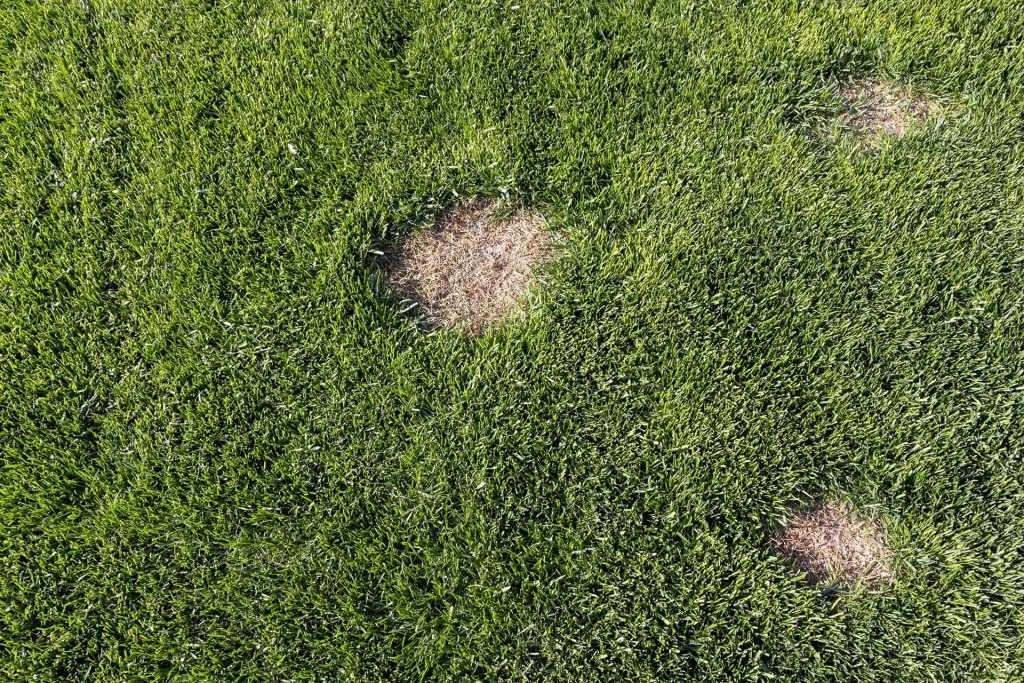
Yes, Bermuda grass can fill in bare spots over time, especially if properly cared for. It’s a resilient, fast-growing grass that tends to spread naturally, making it a popular choice for lawns with patches or uneven areas. With the right maintenance and patience, Bermuda grass can restore its lush appearance and fill in those unsightly bare spots, giving your lawn a more uniform and healthy look.
If you’re wondering whether Bermuda grass will help cover those bare patches in your yard, the answer is generally yes, but it depends on how you care for it. Bermuda grass is known for its vigorous growth and ability to recover after damage or patchy areas. Proper watering, fertilizing, and mowing are essential to encourage the grass to spread and fill in those gaps naturally. While it may take some time, this grass can become a seamless, beautiful lawn as long as you support its growth with the right conditions.
When it comes to revitalizing a patchy lawn, Bermuda grass is a popular, tough choice because of its resilience and quick growth. Many homeowners notice that bare spots gradually fill in after consistent care, such as regular watering, appropriate fertilization, and mowing at the right height. It’s important to be patient, though; Bermuda grass spreads via runners and can take several weeks or months to fully recover, especially if the bare spots are large or caused by severe damage. With a little effort and the right environment, Bermuda grass can transform a patchy lawn into a dense, inviting green space that looks healthy and uniform.

Will Bermuda Grass Fill in Bare Spots? Exploring How Bermuda Grass Can Restore Your Lawn
Understanding Bermuda Grass and Its Growing Habits
Bermuda grass is a popular warm-season grass known for its durability and lush green appearance. It thrives in sunny, high-temperature environments and is often used on lawns, sports fields, and golf courses. Its ability to spread quickly through rhizomes and stolons allows it to cover large areas efficiently.
Bermuda grass typically begins growing actively when temperatures reach around 75°F to 85°F. It experiences a period of dormancy during colder months, which can leave your lawn looking patchy or bare. Knowing its growing pattern helps determine whether it will fill in bare patches naturally or if you need to take specific steps.
Can Bermuda Grass Fill in Bare Spots Naturally?
The answer depends on several factors, including the size of the bare patches, the health of the existing grass, and environmental conditions. Bermuda grass is capable of filling in small to moderate bare spots over time if the conditions are right.
For best results, the soil must be well-prepared and free of debris. The existing grass should be healthy enough to spread and fill in the gaps. If areas are too large or compacted, Bermuda grass might struggle to fill in these spots quickly.
Factors That Influence Filling Bare Spots
- Size of Bare Areas: Small patches of less than six inches are easier for Bermuda grass to fill in naturally.
- Soil Quality: Well-drained, nutrient-rich soil encourages healthy grass growth and spread.
- Sunlight Exposure: Bermuda grass loves full sun; shaded areas may hinder its ability to fill in.
- Watering Practices: Proper watering helps the grass establish roots and spread.
- Grass Health: Existing healthy Bermuda grass can send out stolons to cover bare spots more effectively.
Steps to Encourage Bermuda Grass to Fill in Bare Patches
If your lawn has bare spots that you want Bermuda grass to fill naturally, several maintenance practices can help. Consistent care improves the chances of quick and even recovery.
1. Proper Mowing
Keep your Bermuda grass at a height of about one to two inches. Proper mowing stimulates dense growth and encourages stolon and rhizome expansion. Avoid cutting the grass too short, as it stresses the grass and slows recovery.
2. Regular Fertilization
Apply a balanced fertilizer formulated for warm-season grasses. Fertilizer provides the nutrients needed for vigorous growth, promoting spreading into bare spots. Use a slow-release fertilizer every six to eight weeks during the growing season.
3. Adequate Watering
Ensure your lawn receives about one to one and a half inches of water weekly. Consistent watering helps Bermuda grass establish roots and encourages stolon growth. Avoid overwatering, which can lead to disease problems.
4. Aeration and Soil Improvement
Aerate compacted soil to improve water and nutrient penetration. Lightly topdress with compost or sand to enhance soil quality. These steps create conditions that support quick grass expansion.
5. Overseeding and Patch Repair
For larger bare patches, overseeding with Bermuda grass seed can speed up recovery. Spread seed evenly, then keep the area moist until new grass is established. This method is particularly effective in the early spring or late summer.
Using Sod to Fill Bare Spots Quickly
While Bermuda grass often spreads naturally, sometimes you need a faster solution. Installing Bermuda sod directly on bare areas provides immediate coverage and a uniform appearance.
Advantages of Sodding
- Instant Results: Immediately covers bare patches.
- Uniform Appearance: Blends seamlessly with existing lawn.
- Better Control: Ensures the exact grass type and health.
Steps for Sodding Bermuda Grass
- Clear the bare area of debris and weeds.
- Loosen the soil to a depth of about two inches.
- Lay sod pieces tightly together, avoiding gaps.
- Water thoroughly to promote root contact and establishment.
- Maintain moist conditions until the sod takes root, usually within two to three weeks.
3> Level the area for good contact with the sod.
Addressing Common Challenges When Filling Bare Spots with Bermuda Grass
Even with proper care, some issues may prevent Bermuda grass from filling in bare patches effectively. Recognizing these challenges allows you to implement corrective measures.
Shaded Areas
Bermuda grass prefers full sun; shaded zones limit its spreading ability. Consider removing or thinning trees to improve sunlight exposure. Alternatively, plant a shade-tolerant grass in shaded patches.
Poor Soil Conditions
Compacted or nutrient-deficient soil hampers growth. Conduct a soil test and amend with organic matter or fertilizers as needed. Regular aeration also helps to alleviate compaction.
Pest and Disease Problems
Insects, fungi, or disease can stunt Bermuda grass growth, leading to bare patches. Proper lawn maintenance, including fungicide treatment and pest control, supports healthy spreading.
Large Bare Areas
For extensive patches, natural growth takes longer. Combining overseeding, sodding, and soil improvement accelerates recovery, but patience remains essential.
Related Topics to Consider for a Healthy Bermuda Lawn
To maximize Bermuda grass’s ability to fill in bare spots, attention to overall lawn health is vital.
Proper Lawn Maintenance
Consistent mowing, fertilization, watering, and aeration keep Bermuda grass vigorous. A healthy lawn recovers and spreads more quickly into bare patches.
Seasonal Lawn Care Tips
Prepare your Bermuda lawn for the upcoming season by adjusting fertilization and watering schedules. Overseed in late spring or early summer for faster recovery.
Dealing with Wear and Heavy Traffic
Avoid overusing areas of your lawn that experience frequent foot traffic. Consider creating pathways or use reinforced turf to prevent further bare spots.
Soil Testing and Amendments
Regular soil testing helps identify nutrient deficiencies or pH imbalances. Correcting these issues promotes healthy grass growth and spreading.
Summary: Will Bermuda Grass Fill in Bare Spots?
In most cases, Bermuda grass can fill in small bare patches through natural spreading if the growing conditions are optimal. Proper lawn care, soil health, and timely overseeding or sodding speed up this process. For larger or stubborn bare spots, combining several methods provides the best chance for a lush, even lawn.
Understanding Bermuda grass’s growth habits and addressing environmental factors ensures your lawn remains healthy and visually appealing. Patience, consistent maintenance, and proper repair techniques are key to filling in those bare patches successfully.
Filling Bare Spots in Bermudagrass and Zoysiagrass | DoMyOwn.com
Frequently Asked Questions
How long does it take for Bermuda grass to fill in bare spots?
Bermuda grass typically begins to fill in bare patches within a few weeks under optimal growing conditions. Proper maintenance, watering, and fertilization encourage rapid turf establishment. Keep the area consistently moist and avoid heavy traffic during this period to promote even growth.
What maintenance practices can help Bermuda grass recover from bare spots?
To help Bermuda grass recover, ensure it receives adequate watering, especially during dry periods. Applying a nitrogen-rich fertilizer stimulates growth, and regularly mowing at the recommended height promotes healthy turf. Additionally, avoiding further soil compaction and aerating the area can improve root development and speed up the filling process.
Can overseeding improve the chances of Bermuda grass filling in bare areas?
Yes, overseeding with Bermuda grass seed can effectively fill in bare spots, especially if the existing grass struggles to spread naturally. Reseed the area during the active growing season, and keep the soil moist to encourage germination and establishment of new grass blades.
Is there a specific time of year that’s best for repairing bare spots with Bermuda grass?
The best time to repair bare spots with Bermuda grass is during late spring to early summer when the soil temperature is warm enough for optimal germination and growth. This period allows the grass to establish quickly and fill in gaps before cooler weather slows down growth.
How does soil quality affect Bermuda grass’s ability to fill in bare patches?
Soil quality plays a crucial role in Bermuda grass’s recovery. Well-draining, nutrient-rich soil encourages vigorous root growth and dense turf. If your soil is compacted or lacks essential nutrients, consider aerating the area and adding compost or fertilizers to improve conditions for new growth.
Final Thoughts
Bermuda grass is known for its quick spreading ability, which helps fill in bare spots effectively. Proper watering and mowing encourage healthy growth, speeding up the process.
Will bermuda grass fill in bare spots? Yes, with proper care, it can quickly cover these areas. Regular maintenance ensures a lush, even lawn.
In summary, Bermuda grass fills in bare spots efficiently when given proper attention. Its growth habits make it a reliable choice for a fuller lawn.