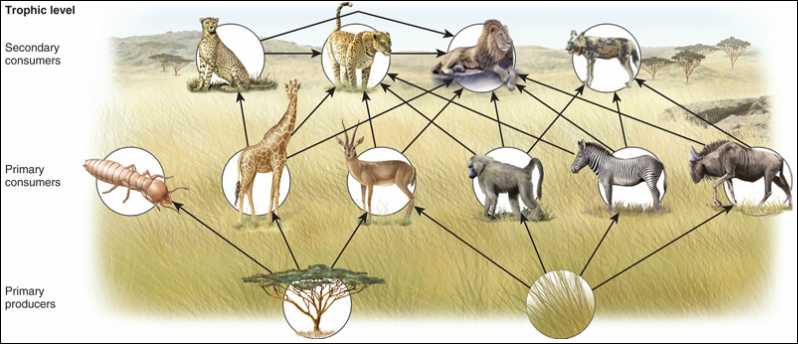
Many animals, from tiny insects to large herbivores, find Bermuda grass to be a tasty and nutritious treat. If you’re wondering what creatures munch on this popular grass, the answer is quite a variety. Animals like cattle, horses, goats, and rabbits are known to graze on Bermuda grass, while insects such as grasshoppers and beetles also enjoy nibbling on it. Bermuda grass serves as a key food source for many grazing animals, especially in warmer climates. It’s not just animals with four legs that love it; some insects also rely on this grass as a part of their diet. Whether you’re a farmer managing livestock or simply curious about nature’s food chain, understanding what animals eat Bermuda grass can help you appreciate its importance in ecosystems and agricultural settings.
**Animals that eat Bermuda grass include livestock such as cattle, horses, and goats, along with smaller animals like rabbits. Insects like grasshoppers and beetles also feed on it, making Bermuda grass a vital component of various animals’ diets.**
Bermuda grass is a resilient, drought-tolerant grass commonly found in warm regions, making it a favorite pasture plant for many animals. It grows quickly and provides a rich source of nutrition, especially during the warmer months when grazing animals are most active. Farmers and land managers often rely on Bermuda grass to feed their livestock because it’s easy to maintain and yields plenty of forage. In the wild, Bermuda grass plays a crucial role in supporting countless small creatures and insects that depend on it for sustenance. Whether for domesticated animals or local wildlife, Bermuda grass stands out as an essential element in the food chain, offering nourishment and habitat to a variety of species.

What Animals Eat Bermuda Grass
Bermuda grass is a popular type of turfgrass known for its durability and lush green appearance. Many animals, especially herbivores, enjoy feeding on Bermuda grass because it provides essential nutrients and fiber. Understanding which animals eat Bermuda grass can help farmers, pet owners, and land managers manage grazing and maintain healthy ecosystems.
Common Herbivores That Graze on Bermuda Grass
Livestock Animals
Many farm animals are known to eat Bermuda grass. Cattle, goats, and sheep are primary consumers of this grass because of its high nutritional value. These animals graze directly on Bermuda grass fields, especially during warm months when the grass is most abundant.
Cows, in particular, prefer Bermuda grass because it is easy to digest and provides a good source of energy. Goats are known to browse more than graze, often nibbling on Bermuda grass along with other plants.
Sheep also thrive on Bermuda grass as it helps meet their dietary needs for fiber and protein. Proper grazing management ensures these animals get enough Bermuda grass without overgrazing the land.
Wild Herbivores
Many wild animals feed on Bermuda grass, especially in regions where this grass is widespread. Deer are among the most common wild herbivores that consume Bermuda grass regularly. They graze on it to sustain their energy levels, especially during the spring and summer months.
Rabbits also enjoy nibbling on Bermuda grass, particularly in areas where their habitats overlap with grasslands. Their diet relies heavily on grasses like Bermuda during certain seasons.
Other small mammals such as groundhogs and certain rodents also include Bermuda grass in their diet. They often chew on the grass for hydration and nutrients.
Animals That Occasionally Consume Bermuda Grass
Horses
Horses are major grazers and can eat Bermuda grass when grazing in pastures. They prefer the tender shoots and lush parts of the grass, especially in the spring and early summer. Proper pasture management is essential to maintain Bermuda grass health for equine grazing.
Horses may also nibble on Bermuda grass during winter if the grass is accessible and the pasture is limited. It provides a source of roughage and helps keep horses occupied.
Wild Animals in Urban Areas
Animals such as raccoons and opossums sometimes nibble on Bermuda grass, especially in urban or suburban parks. While they are omnivores, Bermuda grass offers a safe and accessible food source.
These animals typically consume Bermuda grass as part of their broader diet, which may include insects, trash, or small animals.
Details About Grazing Patterns and Preferences
Grazing Habits of Different Animals
Livestock animals like cattle and sheep tend to graze in a more uniform manner across Bermuda grass fields. They prefer areas with fresh, tender shoots as these are easiest to digest.
Wild animals such as deer may selectively graze, choosing patches of Bermuda grass that are more nutritious and easier to access. Their grazing habits help shape the growth patterns of the grass.
Small mammals prefer grazed patches that are low to the ground, often feeding on young shoots and tender leaves.
Impact of Animal Grazing on Bermuda Grass
Heavy grazing can impact the health of Bermuda grass by reducing plant density and leading to soil erosion. Proper grazing rotation is crucial to maintain lush, green fields.
Moderate grazing helps stimulate healthy regrowth of Bermuda grass, making it more resilient and less prone to invasive weeds.
Overgrazing can create bare patches, which may lead to the invasion of undesirable plants and reduce the overall productivity of the land.
Other Factors Influencing Animal Consumption of Bermuda Grass
Seasonal Changes
Animals tend to prefer Bermuda grass during the warmer months when it is young and tender. As the grass matures, it becomes coarse and less appealing to grazers.
During winter or dry seasons, animals might seek alternative food sources if Bermuda grass becomes dormant or less nutritious.
Location and Habitat
In areas where Bermuda grass dominates the landscape, animals like deer and rabbits are more likely to feed on it regularly. In mixed habitats, they may select Bermuda grass over other available plants.
In urban settings, animals may adapt their diet based on what’s available, sometimes relying on Bermuda grass as a supplementary food source.
Nutritional Benefits for Animals
Bermuda grass provides essential nutrients such as fiber, carbohydrates, and some minerals, making it a valuable food source for many animals. Its high fiber content aids digestion, especially for grazing livestock.
It also helps maintain healthy weight and energy levels in animals that rely heavily on plant-based diets.
Summary of Animals That Eat Bermuda Grass
| Animal Type | Grazing Behavior | Frequency of Consumption |
|---|---|---|
| Cattle | Grazes on lush, tender parts during the day | High, especially in warm seasons |
| Goats | Browses and nibbles on Bermuda grass along with other plants | Moderate, with preference for diverse diets |
| Sheep | Grazes closely on Bermuda grass, prefers young shoots | High in spring and summer |
| Deer | Selective grazers, prefers accessible patches | Seasonally high, especially in spring and summer |
| Rabbits | Nibbles on low-growing Bermuda grass | Regular, especially in habitat overlaps |
| Horses | Grazes on Bermuda grass in pastures | Seasonally, especially in early growth stages |
| Wild mammals | Varies, often opportunistic feeding on accessible patches | Variable depending on availability |
Understanding which animals consume Bermuda grass and their grazing behaviors helps in land and livestock management. Proper grazing practices ensure the sustainability of Bermuda grass fields and support healthy ecosystems.
Max The Husky – Bermuda grass | Why Does Dogs love to eat bermuda grass?
Frequently Asked Questions
Which livestock animals are most likely to feed on Bermuda grass?
Livestock such as cattle, goats, and horses frequently graze on Bermuda grass. These animals find the grass nutritious and palatable, making it a common part of their diet in pasture settings. Proper management ensures these animals can feed safely without overgrazing the area.
Are there any wild animals that eat Bermuda grass regularly?
Yes, several wild herbivores, including deer and rabbits, consume Bermuda grass as part of their natural diet. These animals typically browse on the grass in open fields or pastures, especially during seasons when other food sources might be scarce. Their feeding habits can influence the growth and health of Bermuda grass patches.
Can insects or pests damage Bermuda grass by feeding on it?
Insects such as grasshoppers, beetles, and caterpillars often feed on Bermuda grass leaves. While their feeding usually doesn’t destroy the entire turf, heavy infestations can cause significant damage, including thinning of the grass and increased vulnerability to diseases. Managing pest populations helps maintain healthy Bermuda grass.
Final Thoughts
Animals such as cattle, goats, and horses commonly eat Bermuda grass. These herbivores rely on it as a primary food source for their diet. Some smaller animals, like rabbits, may also nibble on it occasionally.
Birds and insects might feed on the grass or its seeds, but they do not consume it as their main diet. Wild animals, including deer, sometimes graze on Bermuda grass when available.
In summary, what animals eat Bermuda grass includes livestock, some small mammals, and wild herbivores. This grass plays a vital role in their nourishment, making it a key part of their diet.