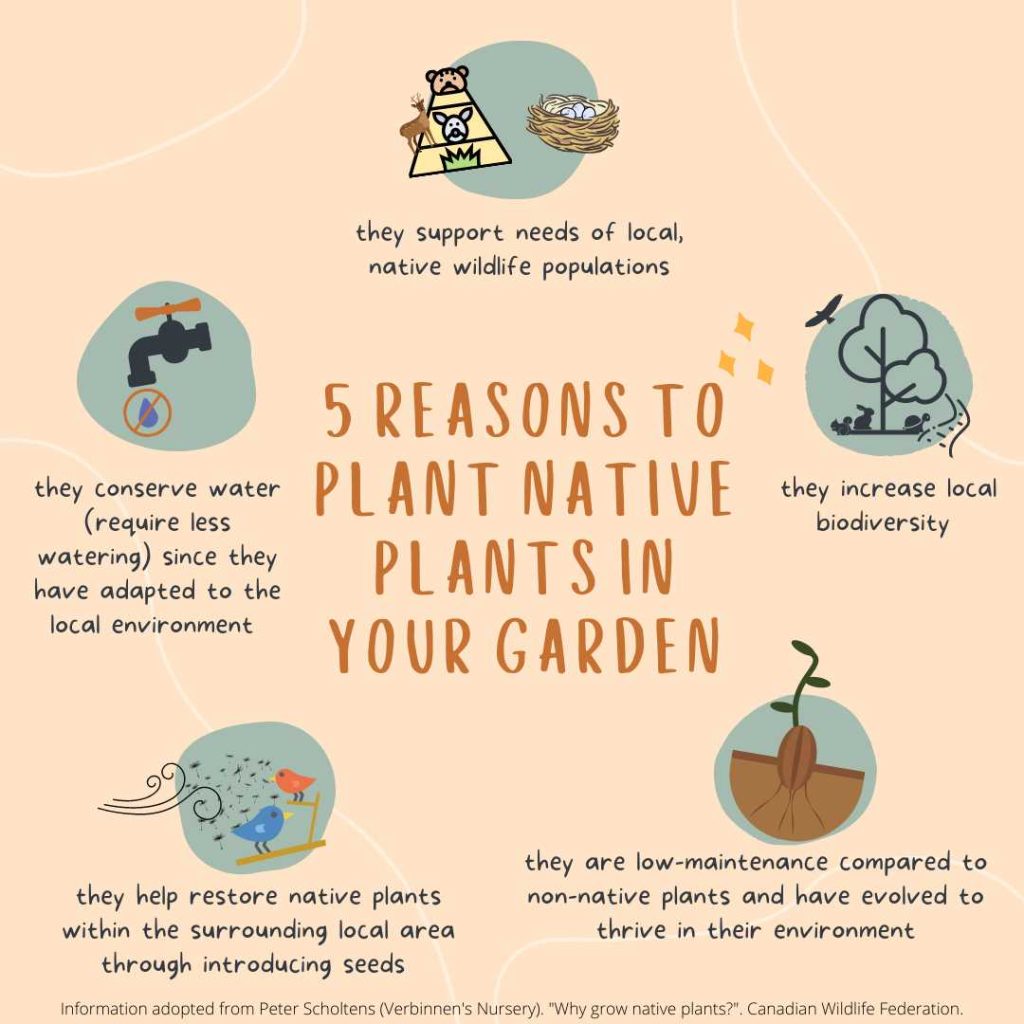
Growing native plants offers a myriad of benefits, making it a smart choice for any gardening enthusiast. Native plants are adapted to the local climate and soil conditions, which means they require less water, fertilizer, and maintenance compared to non-native species. They also provide critical habitat for local wildlife, supporting birds, butterflies, and beneficial insects. By choosing native plants, you’ll contribute to the preservation of local ecosystems and promote biodiversity in your area. Plus, native plants can add unique beauty to your garden with their vibrant colors and varied textures. So, if you’re looking for a low-maintenance, eco-friendly gardening solution, it’s time to consider incorporating native plants into your landscape!

Reasons To Grow Native Plants
Growing native plants is not only beneficial for your garden, but it also makes a positive impact on the environment. Let’s explore the various reasons you should consider adding native plants to your landscape.
1. Supports Local Wildlife
Native plants play a vital role in supporting local wildlife. They provide essential food and habitat for birds, insects, and other creatures. Native flowers, shrubs, and trees attract pollinators like bees and butterflies.
– Birds rely on native plants for nesting materials and insects as food.
– Pollinators are critical for the reproduction of many plant species.
By choosing native plants, you help maintain a balanced ecosystem.
2. Low Maintenance Requirements
One of the biggest advantages of native plants is their low maintenance needs. They are well adapted to the local climate and soil conditions, which means less watering and fertilizing is required.
– Native plants need less irrigation once established.
– They are more resistant to local pests and diseases.
This allows you to spend less time on upkeep and more time enjoying your garden.
3. Water Conservation
Native plants are excellent for conserving water. Their deep root systems allow them to access moisture from the soil, reducing the need for additional watering.
– They help prevent runoff and erosion.
– Less water usage is beneficial during drought conditions.
By incorporating native plants, you can create a sustainable garden that conserves this precious resource.
4. Improved Soil Health
Native plants contribute to healthy soil. Their roots help to prevent erosion and improve soil structure. This creates a rich environment for other beneficial organisms.
– They enhance nutrient cycling in the soil.
– Native plants can also help to fix nitrogen levels.
Healthy soil leads to stronger plants and a more vibrant garden.
5. Reduced Invasive Species
When you plant native species, you actively combat the spread of invasive plants. Invasive species can outcompete native flora, leading to a decline in biodiversity.
– Native plants provide a stabilizing effect on the local ecosystem.
– They prevent invasive plants from taking over.
By supporting native plants, you help protect your local environment.
6. Aesthetic Appeal
Native plants add beauty to your garden. They come in a variety of shapes, sizes, and colors, creating a diverse and visually appealing landscape.
– Each season brings unique blooms and foliage.
– Native gardens can reflect the natural beauty of your region.
With the right selection, your garden can be both beautiful and beneficial.
7. Connection to Local Heritage
Growing native plants helps connect you to your local history and culture. Many native plants have significant cultural meaning, and they represent the area’s natural heritage.
– You can learn about traditional uses of plants by Indigenous peoples.
– It fosters a sense of pride in your local environment.
Native gardening helps cultivate a deeper understanding of the local ecosystem.
8. Environmental Resilience
Native plants are resilient to changing environmental conditions. They have evolved over time to thrive in local climates, making them more adaptable to changes.
– They are better equipped to deal with local pests and diseases.
– These plants can withstand extreme weather conditions more effectively.
By planting native species, you contribute to a resilient landscape.
9. Educational Opportunities
Creating a native plant garden can provide educational opportunities for children and adults alike. It can serve as a living classroom, teaching important lessons about ecology and conservation.
– Engage kids in hands-on learning about the environment.
– Teach the importance of biodiversity and sustainability.
A native garden can spark curiosity and foster a love for nature.
10. Lower Carbon Footprint
Growing native plants can help lower your carbon footprint. They require less maintenance, meaning less fuel for lawn mowers and fewer emissions from gardening equipment.
– Reduced reliance on chemical fertilizers and pesticides.
– Native gardens can help sequester carbon in the soil.
This eco-friendly approach contributes to a healthier planet.
11. Increased Property Value
Investing in a native plant garden can increase your property value. Many homebuyers are interested in environmentally friendly landscapes.
– Curb appeal can be significantly enhanced with a diverse native garden.
– You may attract buyers who appreciate sustainability.
A well-maintained native garden can be a selling point for your home.
12. Practical Usage of Plants
Many native plants have practical uses beyond aesthetics. They can provide food, medicine, and materials for crafts.
– Some native fruits and nuts can be harvested for local consumption.
– Many plants have traditional medicinal uses.
By incorporating these plants, you create a multi-functional landscape.
13. Community Engagement
Growing native plants can also foster community engagement. You can share plants, advice, and experiences with neighbors who are interested in gardening.
– Join or create local gardening clubs focused on native plants.
– Participate in community events like plant swaps and educational workshops.
Building connections within your community can create a stronger support network for gardening enthusiasts.
14. Attracting Beneficial Insects
Native plants are crucial in attracting beneficial insects. These insects help control pests naturally, reducing the need for chemical pesticides.
– Ladybugs and lacewings feed on aphids and other harmful pests.
– Pollinators increase fruit and seed production in your garden.
A diverse ecosystem of beneficial insects can lead to healthier plants.
15. Climate Adaptability
Native plants are inherently adapted to the local climate and can withstand local weather patterns. This adaptability makes them more sustainable in the long run.
– They require less artificial support, such as watering and fertilization.
– This can lead to a more self-sufficient garden.
Planting natives increases your garden’s resilience to climate change and extreme weather.
16. Preservation of Biodiversity
By planting native species, you support the preservation of biodiversity. This is crucial for maintaining a healthy ecosystem.
– Biodiversity promotes stability in the environment.
– Native plants help sustain diverse populations of flora and fauna.
Every plant plays a role in creating a balanced ecosystem.
17. A Natural Pollinator Habitat
Native gardens can create natural habitats for essential pollinators, which are crucial for food production. Many crops rely on pollinators for successful fruiting.
– Pollinator-friendly plants attract bees, butterflies, and other insects.
– This helps ensure food security for future generations.
A native garden is a haven for these essential workers.
18. Attractive to Local Birds
A garden filled with native plants provides food and shelter for local birds. Native plants can offer seeds, berries, and insects that birds rely on.
– Create a bird-friendly environment with native trees and shrubs.
– Birds can help control pests naturally.
Incorporating native plants turns your garden into a lively habitat for local birds.
19. Connection to Nature
Gardening with native plants provides a deeper connection to nature. It encourages mindfulness and appreciation for the local environment and its biodiversity.
– Spending time in your garden can reduce stress and promote well-being.
– It fosters a sense of responsibility and stewardship for the environment.
Engaging with nature can lead to a more fulfilling and balanced life.
20. Easy to Find Resources
Finding resources for growing native plants is becoming easier. Many gardening centers offer a selection of native plants, and numerous online communities share tips and tricks.
– Local organizations often host workshops on native gardening.
– There are plenty of books and online resources dedicated to native plant gardening.
With so much information available, it’s never been easier to grow a native garden.
By choosing to grow native plants, you embrace an approach that benefits the environment, supports local wildlife, and enhances your outdoor space. Dedicating a portion of your garden to these incredible plants not only leads to a beautiful landscape but also contributes to the well-being of your local ecosystem.
In conclusion, growing native plants is a rewarding venture that impacts not only your garden but also the environment positively. With minimal maintenance, enhanced biodiversity, and habitat support, native plants offer a sustainable and beautiful gardening choice. Embrace this opportunity to nurture your local ecosystem and enjoy the many benefits that come from growing native plants.
5 Reasons to Plant Native Plants
Frequently Asked Questions
“`html
What benefits do native plants provide for local wildlife?
Native plants offer essential habitats and food sources for local wildlife, including birds, insects, and mammals. They support healthy ecosystems by promoting biodiversity and ensuring that various species thrive. For example, native flowers attract pollinators like bees and butterflies, while native trees and shrubs provide shelter and nesting sites for birds and small animals.
How do native plants contribute to environmental sustainability?
Growing native plants helps maintain environmental sustainability by reducing the need for chemical fertilizers and pesticides. These plants are adapted to local soil and climate conditions, which means they require less water and are more resistant to pests and diseases. This leads to less reliance on artificial inputs and promotes a healthier ecosystem, benefiting both plants and wildlife.
Can planting native species help with soil health?
Yes, native plants improve soil health by enhancing organic matter and promoting beneficial microbial activity. Their deep root systems allow for better soil structure and erosion control. As they grow, they contribute to nutrient cycling, which enriches the soil and supports other plants in the area, creating a more robust ecosystem.
In what ways do native plants enhance the aesthetic value of landscapes?
Native plants add beauty and diversity to landscapes through their unique colors, shapes, and textures. By incorporating a variety of native species, gardeners can create visually appealing spaces that change with the seasons. This not only enhances the landscape but also reflects the local natural environment, making it feel more connected to the surrounding area.
How do native plants support local water conservation efforts?
Native plants are well adapted to local rainfall patterns and typically require less irrigation than non-native species. By selecting native plants for gardens and landscapes, you can reduce water usage and help conserve this precious resource. Their ability to manage stormwater runoff also aids in preventing erosion and flooding, benefiting the overall health of local waterways.
“`
Final Thoughts
Growing native plants offers numerous benefits that enhance local ecosystems. They provide essential habitats for wildlife and help preserve biodiversity. Furthermore, native plants require less water and maintenance, making them a sustainable choice for gardens.
The ecological balance they promote plays a crucial role in supporting pollinators and other beneficial insects. In summary, embracing “Reasons To Grow Native Plants” contributes to a healthier environment and strengthens community ties to nature. By choosing native species, gardeners participate in conserving their local landscape and fostering a vibrant ecosystem.