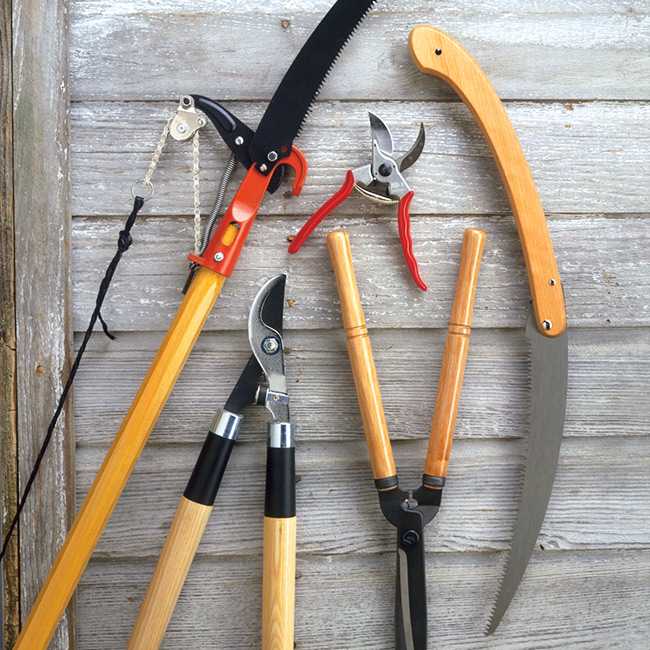
When it comes to maintaining a beautiful landscape, having the right pruning tools is essential for any gardener. Whether you’re looking to shape your shrubs, enhance the growth of your flowers, or keep your trees healthy, the right tools can make all the difference. Key instruments like bypass pruners, loppers, and pruning saws are not just handy; they can elevate your gardening game, ensuring that each cut promotes healthy growth and minimizes damage. In this guide, we’ll explore must-have pruning tools that every landscaper should consider. Let’s dive in and discover how these essential tools can transform your gardening experience and keep your plants thriving!

Landscaping Must Have Pruning Tools
Pruning tools are essential for maintaining a healthy and beautiful garden. Proper pruning encourages plant growth, removes dead or diseased branches, and improves the overall aesthetics of your landscape. Whether you’re a seasoned gardener or just starting out, understanding which pruning tools to use can make a significant difference in your gardening experience.
Why Pruning is Important
Pruning is not just about cutting plants. It plays a crucial role in plant health. Regular pruning helps:
- Remove dead or diseased branches.
- Encourage better air circulation.
- Promote new growth and flowering.
- Shape plants for aesthetic appeal.
Pruning can also prevent the spread of diseases among your plants. By removing infected parts, you protect the overall health of your garden.
The Essential Pruning Tools
Having the right tools is fundamental for effective pruning. Here’s a rundown of must-have pruning tools for every gardener.
1. Hand Pruners
Hand pruners, often called secateurs, are ideal for precision cutting. They are perfect for small branches and delicate plants.
- Choose bypass pruners for fresh stems.
- Anvil pruners work well for dry and woody stems.
Regularly sharpening the blades ensures clean cuts, which helps plants heal faster.
2. Loppers
Loppers are larger than hand pruners and can cut thicker branches. They come with long handles that provide extra leverage.
- Look for loppers with adjustable handles.
- Ratchet loppers can make cutting easier.
These tools are excellent for reaching higher branches without the need for a ladder.
3. Pruning Saws
When branches exceed the capacity of loppers, a pruning saw is necessary. These saws are designed to cut through thicker limbs efficiently.
- Folding saws are portable and easy to store.
- Fixed-blade saws offer more stability.
Always use a saw that feels comfortable in your hand to reduce fatigue.
4. Hedge Shears
If you have hedges or shrubs, hedge shears are essential. They help shape and trim large areas quickly.
- Look for sharp, pointed blades for precise cuts.
- Gardeners should choose between manual and powered shears.
Using these shears can help you maintain the desired shape of your plants.
5. Pole Pruners
For reaching tall branches without a ladder, a pole pruner is invaluable. These tools extend your reach and give you the ability to prune hard-to-reach areas.
- Look for lightweight models for easy handling.
- Check if they have an adjustable length feature.
Pole pruners often come with a saw and a cutting blade for versatility.
6. Pruning Gloves
Protect your hands while pruning with durable gloves. Pruning gloves can help prevent cuts and scrapes.
- Choose gloves made from flexible materials.
- Look for options with reinforced fingertips.
Comfortable gloves allow you to grip tools better while keeping your hands safe.
When to Prune
Timing is crucial when it comes to pruning. Different plants have different needs, so understanding when to prune is essential.
1. Spring Pruning
Most plants benefit from spring pruning. This is when new growth starts to appear.
- Early spring is the best time for most flowering shrubs.
- Make sure to prune before the buds break.
Spring pruning helps stimulate growth for the growing season.
2. Summer Pruning
Summer pruning can control growth and remove unwanted stems. It’s particularly effective for maintaining desired shapes.
- Focus on deadheading flowers for better blooms.
- Remove any suckers or unwanted growth.
This is also a good time to prune trees that bloom in the spring.
3. Fall Pruning
Fall pruning is suitable for certain trees and shrubs. However, most gardeners avoid pruning during late fall to prevent winter damage.
- Prune only if necessary to preserve plant health.
- Avoid pruning late in the season to prevent frost damage.
Always check specific plant needs before deciding to prune in the fall.
4. Winter Pruning
In some regions, winter is a suitable time to prune. This is especially true for dormant plants.
- Winter pruning helps shape trees before spring.
- It’s easier to see the structure of bare plants.
However, winter pruning should be done cautiously to avoid damaging the plant.
Best Practices for Pruning
Using the right techniques can improve your pruning effectiveness. Here are some best practices:
1. Make Clean Cuts
Always use sharp tools to ensure clean cuts. Dull blades can crush stems and lead to disease.
2. Prune at the Right Angle
Cut at a 45-degree angle to encourage water runoff and prevent rot. This angle helps the plant heal faster.
3. Remove Dead or Diseased Wood
Start by removing any dead or diseased branches. This prevents the spread of infection and promotes healthy growth.
4. Avoid Over-Pruning
Pruning too much can stress plants. It’s best to remove no more than one-third of the plant at a time.
5. Take Your Time
Pruning isn’t a race. Take your time to evaluate each plant and make thoughtful cuts.
Storing and Maintaining Your Pruning Tools
Proper maintenance of your pruning tools extends their life and ensures they perform well.
- Clean tools after each use to remove sap and debris.
- Regularly sharpen blades to maintain cutting efficiency.
- Store tools in a dry, cool place to prevent rust.
Taking care of your tools not only helps you but also contributes to plant health.
Pruning Safety Tips
Safety should always be a priority while pruning. Here are important tips to keep in mind:
- Wear protective eyewear to shield against flying debris.
- Use gloves to protect from sharp edges and thorny plants.
- Be cautious when using tools on tall ladders.
Staying safe ensures you can enjoy your gardening to the fullest.
Understanding and mastering the use of the right pruning tools can enhance your landscaping. Not only does proper pruning lead to healthier plants, but it can also transform your garden into a breathtaking space. So, equip yourself with the essential pruning tools and enjoy the satisfaction that comes with a well-maintained landscape. Happy gardening!
Pruning Shears Explained: Choose the Best Pruners For Your Garden
Frequently Asked Questions
What are the essential pruning tools for beginners in landscaping?
For beginners in landscaping, the essential pruning tools include bypass pruners, loppers, and pruning saws. Bypass pruners are ideal for cutting small branches and live stems, while loppers offer better leverage for thicker branches. A pruning saw is necessary for larger limbs that require more powerful cutting. Additionally, gloves and safety glasses can protect you during the pruning process.
How often should I use pruning tools in my landscaping maintenance routine?
Using pruning tools in your landscaping maintenance routine depends on the types of plants you have. Generally, you should prune flowering shrubs after they bloom, while evergreen trees may need pruning once a year for shape and health. Regularly check your plants for dead or diseased branches and remove them as needed. This practice helps maintain the overall health and aesthetic of your landscape.
What safety precautions should I take while using pruning tools?
When using pruning tools, always wear safety glasses and gloves to protect your eyes and hands. Ensure your tools are sharp to make clean cuts, which reduces the risk of injury. Keep your work area clear of debris to avoid tripping hazards. Lastly, maintain control of your tools and avoid overreaching while pruning to prevent falls or accidents.
Can I use gardening tools for pruning, or do I need specialized tools?
While some gardening tools can be used for light pruning, specialized pruning tools are designed for specific tasks and provide better results. For instance, pruning shears offer a clean cut that’s essential for plant health, while regular scissors may crush stems. Investing in quality pruning tools ensures you perform pruning tasks efficiently and effectively.
How should I maintain my pruning tools for longevity?
To maintain your pruning tools, clean them after each use to remove sap and debris, which can cause rust. Sharpen blades regularly to ensure clean cuts, and oil movable parts to prevent rust and keep them functioning smoothly. Store your tools in a dry place and avoid leaving them exposed to the elements to prolong their lifespan.
Final Thoughts
Having the right tools is essential for effective gardening and maintenance. Among these, pruning tools stand out as crucial for healthy plant growth and landscape aesthetics. Investing in quality landscaping must have pruning tools will enhance your gardening experience and keep your plants thriving.
Regular pruning promotes better air circulation and light exposure, ensuring your plants flourish. With the right equipment, you can easily shape your shrubs and trees, maintaining the beauty of your landscape. Ultimately, these tools are a gardener’s best friend for achieving a well-manicured outdoor space.