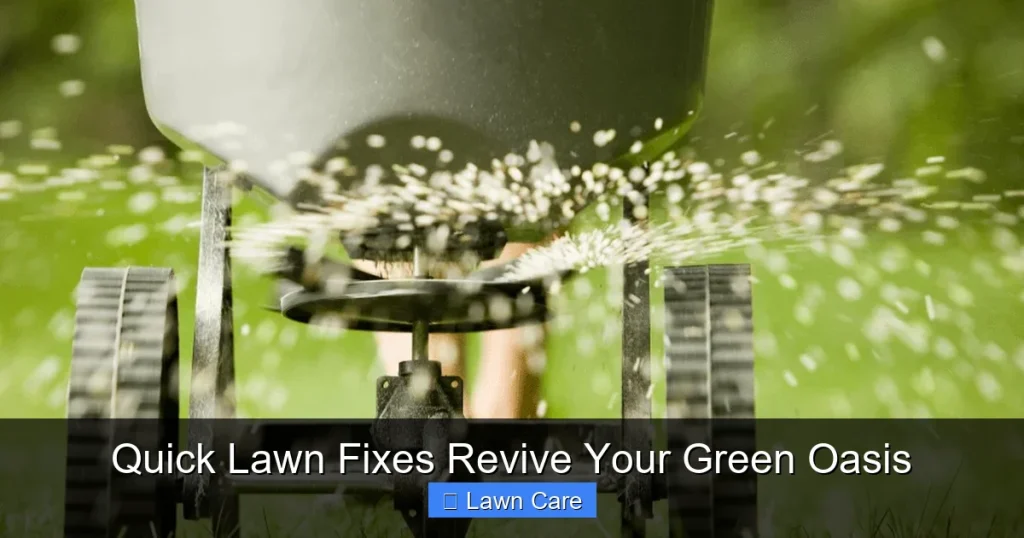
Don’t let a struggling lawn get you down! Quick lawn fixes can transform your green space into a vibrant oasis. From patching bare spots to tackling weeds and improving soil, these simple strategies will help you achieve a healthier, more beautiful lawn without major effort.
Is your lawn looking a little sad? Maybe you’ve got bare patches that are an eyesore, or perhaps it’s a charming mix of green and brown. Whatever the case, a lackluster lawn can really detract from your home’s curb appeal and your enjoyment of your outdoor space. But don’t despair! You don’t need to be a master landscaper or undertake a massive renovation project to bring your lawn back to life. With a few “quick lawn fixes,” you can significantly improve its appearance and health, transforming it back into the lush, green oasis you’ve always wanted.
Think of your lawn like a living entity. It needs the right conditions to thrive, and sometimes, life throws it a curveball. Whether it’s drought, heavy foot traffic, pests, or just the changing seasons, your lawn can show signs of stress. The good news is that many common lawn problems have relatively simple and fast solutions. These aren’t necessarily long-term, complex strategies, but rather targeted actions that can make a noticeable difference quickly. So, let’s roll up our sleeves and get your green space back in shape!
## Addressing Bare Spots and Thin Patches
One of the most common and disheartening lawn issues is the appearance of bare spots or areas where the grass is thin and sparse. These can be caused by a variety of factors, including pet urine, excessive foot traffic, insect damage, or simply poor soil conditions. The good news is that patching these areas is usually a straightforward process.
### Seeding for Quick Coverage
For smaller bare spots, overseeding is often the best approach. Start by lightly raking the area to loosen the soil and remove any debris. This helps the new grass seed make good contact with the ground. Choose a grass seed that matches your existing lawn type for a seamless blend. Apply the seed according to the package directions, ensuring an even distribution. Then, lightly cover the seed with a thin layer of topsoil or compost. The key is to keep the newly seeded area consistently moist until the grass germinates and establishes itself. This might mean light watering once or twice a day, especially in warm, dry weather.
### Sod for Instant Gratification
If you’re looking for a more immediate fix, especially for larger bare areas or high-traffic zones, consider using sod. Sod is essentially pre-grown grass and soil held together by its roots. You can purchase sod in rolls or sections from garden centers or local sod farms. Prepare the soil in the bare area by loosening it and ensuring it’s level. Lay the sod pieces closely together, butting the edges up against each other. Water the newly laid sod thoroughly, and continue to water it regularly for the first few weeks to help it root into the underlying soil.
## Taming the Weed Invasion
Weeds are the unwelcome guests in any lawn, competing with your grass for water, nutrients, and sunlight. Letting them take over not only looks unsightly but can weaken your lawn over time. Fortunately, there are effective ways to manage weeds without necessarily resorting to harsh chemicals.
### Manual Weed Removal
For scattered weeds, especially those with taproots like dandelions, manual removal is a highly effective method. Using a weed puller or a trowel, try to get as much of the root as possible. Doing this when the soil is moist makes the job easier. Regularly patrolling your lawn and removing weeds as soon as you spot them is one of the best preventative measures.
### Natural Weed Control Methods
There are several natural approaches to weed control. Boiling water can be poured directly on weeds to kill them, but be careful not to let it touch your grass. White vinegar, when applied directly to weeds, can also be effective, especially on young weeds. Corn gluten meal can be used as a pre-emergent weed control, preventing weed seeds from germinating. For a more comprehensive approach, consider exploring how to keep your lawn green without using chemicals.
### Proper Mowing Practices
Believe it or not, your mowing habits play a significant role in weed control. Mowing your lawn at the correct height is crucial. Taller grass shades out weed seeds, preventing them from germinating. Aim to mow your lawn at the highest recommended setting for your grass type. Additionally, ensuring your mower blades are sharp will result in a clean cut, which is less stressful for your grass and makes it harder for weeds to gain a foothold. For more on achieving that perfect cut, check out how to mow your lawn like a baseball field.
## Revitalizing Dull or Discolored Grass
Is your lawn looking a little yellow, brown, or generally lackluster? Discoloration can be a sign of various issues, from nutrient deficiencies to lack of water or even disease. Quick fixes can often restore that vibrant green hue.
### The Power of Proper Watering
Inconsistent or insufficient watering is a prime culprit for dull grass. If your lawn isn’t getting enough water, it will start to turn brown and look stressed. The key to effective watering is to water deeply and infrequently. This encourages your grass to develop deep root systems, making it more resilient to dry spells. Aim to water until the soil is moist several inches down. Early morning is the best time to water, as it reduces evaporation and allows the grass blades to dry off before nightfall, preventing fungal diseases. Learning how to keep your lawn green without overwatering is a vital skill.
### Fertilization Boost
A lack of essential nutrients can leave your grass looking pale and unhealthy. Applying a balanced lawn fertilizer can provide the boost your lawn needs. Choose a fertilizer appropriate for the season and your grass type. Follow the application instructions carefully to avoid over-fertilizing, which can burn your lawn. A quick-acting liquid fertilizer can sometimes provide a visible green-up within a few days.
### Addressing Insect Pests
Grubs and other soil-dwelling insects can damage grass roots, leading to yellow or brown patches that may even feel spongy underfoot. If you suspect insect damage, a soil test or visual inspection can help identify the problem. Many effective, targeted treatments are available to control lawn pests. Addressing these issues promptly can prevent further damage and help your lawn recover its color.
## Improving Soil Health for Long-Term Vibrancy
While quick fixes address immediate symptoms, investing a little time in improving your soil health will yield lasting results. Healthy soil is the foundation of a healthy lawn.
### Aeration: Letting Your Soil Breathe
Over time, soil can become compacted, especially in high-traffic areas. This compaction prevents air, water, and nutrients from reaching the grass roots. Core aeration involves using a machine to pull small plugs of soil out of the lawn. This creates air pockets and allows essential elements to penetrate the soil more easily. You can rent an aerator for a DIY project, or hire a professional.
### Topdressing: Feeding Your Soil
Topdressing involves spreading a thin layer of compost or other organic material over your lawn. This is often done after aeration. The organic matter breaks down, improving soil structure, increasing water retention, and providing a slow release of nutrients. It’s a fantastic way to build healthy soil over time and encourage thicker, more resilient grass growth.
## The Importance of Smart Mowing and Edging
How you cut and maintain the edges of your lawn significantly impacts its overall appearance and health. These are often overlooked aspects that can be quickly improved.
### Mowing Height Matters
As mentioned earlier, mowing at the right height is crucial for weed control and overall grass health. Taller grass has deeper roots and is more resistant to drought and disease. Aim for the recommended height for your specific grass type. Avoid “scalping” your lawn, which is cutting the grass too short, as this stresses the grass and can expose the soil to weeds and erosion. For detailed guidance, consider how to mow your lawn like a baseball field for a professional look.
### Sharp Blades for Clean Cuts
Dull mower blades tear grass rather than cutting it cleanly. This leaves the grass with ragged edges that are prone to browning, disease, and stress. Regularly sharpen your mower blades. It’s a simple maintenance task that makes a huge difference in the health and appearance of your lawn. If you’re unsure how to do it yourself, many lawn care services offer blade sharpening.
### Edging for Definition
Well-defined edges along sidewalks, driveways, and garden beds give your lawn a neat, manicured look. Use a string trimmer or a specialized edging tool to create crisp lines. This small detail can make a big impression and elevate the overall aesthetic of your yard.
## Dealing with Specific Lawn Challenges
Sometimes, your lawn might face unique challenges that require tailored quick fixes.
### Patchy Snow Mold Recovery
After winter, you might find areas of your lawn affected by snow mold, which appears as white or pinkish fuzzy patches. Usually, with warmer weather and proper mowing, these areas will recover on their own. Raking the affected areas gently can help remove the matted grass and promote new growth.
### Addressing Drought Stress
During dry spells, lawns can quickly turn brown. If your lawn is showing signs of drought stress, it’s important to water deeply and slowly if possible, or accept that it may go dormant. Healthy lawns can recover from dormancy once rain returns. If you live in a drought-prone area, learning how to keep your lawn green during a drought is essential.
### Overseeding Dormant Grass
Even if your lawn is looking a bit sparse, you can often improve its density by overseeding. This can be done in the fall or spring. If you’re looking for ways to revive your lawn from winter dormancy, overseeding is a key strategy.
## Conclusion: Your Green Oasis Awaits!
Achieving a beautiful, healthy lawn doesn’t always require a massive overhaul. By implementing these quick lawn fixes, you can address common problems effectively and efficiently. From patching bare spots and battling weeds to improving soil health and mastering smart mowing techniques, there are many ways to revive your green oasis. Remember, consistency is key. Even small, regular efforts can make a world of difference. So, grab your tools, get out there, and start transforming your lawn into the vibrant, inviting space you deserve. Your efforts will be rewarded with a lush, green carpet that enhances your home and provides a perfect backdrop for outdoor enjoyment.
Key Takeaways
- Quick Lawn Fixes Address Immediate Issues: Focus on visible problems like bare patches, weeds, and discoloration for a fast aesthetic improvement.
- Proper Mowing is Essential: Mowing at the right height and with sharp blades promotes healthy growth and discourages weeds.
- Watering Wisely is Key: Deep, infrequent watering encourages strong root systems, making your lawn more resilient.
- Soil Health Matters: Aeration and topdressing can dramatically improve soil structure and nutrient availability, leading to a lusher lawn.
- Weed and Pest Management is Crucial: Early detection and targeted treatment prevent small problems from becoming big ones.
- Fertilization Boosts Growth: Applying the right fertilizer at the right time provides essential nutrients for a vibrant green lawn.
Quick Answers to Common Questions
What is the quickest way to fix a bare patch in my lawn?
For immediate results, sodding is the quickest way to cover a bare patch, providing instant greenery. For a slightly slower but still fast option, overseeding with a high-quality grass seed mix and keeping it consistently moist can establish grass in a week or two.
How can I make my lawn look greener fast?
A quick application of a liquid lawn fertilizer designed for greening can often provide a visible boost in color within a few days. Ensuring proper watering and addressing any obvious weeds will also contribute to a greener appearance.
Are there natural ways to get rid of lawn weeds?
Yes, you can manually pull weeds, pour boiling water on them (carefully!), or use a vinegar-based solution on young weeds. Corn gluten meal can also act as a natural pre-emergent to prevent seeds from germinating.
What causes brown patches in my lawn, and how do I fix them?
Brown patches can be caused by under-watering, insect pests (like grubs), fungal diseases, or pet urine. Fixes include adjusting watering schedules, treating for pests, and reseeding or sodding affected areas.
How often should I be mowing my lawn for the best results?
The frequency of mowing depends on your grass type and the season. Generally, mow when the grass has grown about one-third of its ideal height. It’s more important to follow the one-third rule than a strict weekly schedule. Always use sharp blades.
Frequently Asked Questions
What is the best time of year for quick lawn fixes?
The best time for most quick lawn fixes, like overseeding and fertilizing, is typically in the spring or fall when temperatures are mild, and there’s adequate moisture. However, emergency repairs for bare spots can be done as needed.
Can I fix my lawn if it’s been neglected for a while?
Absolutely! While a severely neglected lawn might take more effort, many quick fixes can still make a significant improvement. Start by addressing the most pressing issues like weeds and bare spots, then focus on improving soil and watering habits.
How do I know if my lawn has pests?
Signs of pest infestation include wilting grass, brown or yellow patches that may feel spongy, and visible insects like grubs or chinch bugs. You can often confirm by digging up a small section of turf to inspect the roots and soil.
What’s the difference between overseeding and sodding?
Overseeding involves sowing new grass seeds into an existing lawn to fill in thin areas. Sodding involves laying down pre-grown turf (grass and soil) to create an instant lawn. Overseeding is generally less expensive but takes longer to establish, while sodding is faster but more costly.
How much water does my lawn actually need?
Most lawns benefit from about 1 to 1.5 inches of water per week, applied in one or two deep watering sessions rather than light, frequent sprinkling. The exact amount depends on your climate, soil type, and grass variety.
Should I always use chemicals to fix my lawn?
Not at all! Many effective lawn fixes can be achieved using natural methods, proper cultural practices (like mowing and watering), and organic products. Focusing on soil health is a great way to keep your lawn naturally vibrant and resilient.