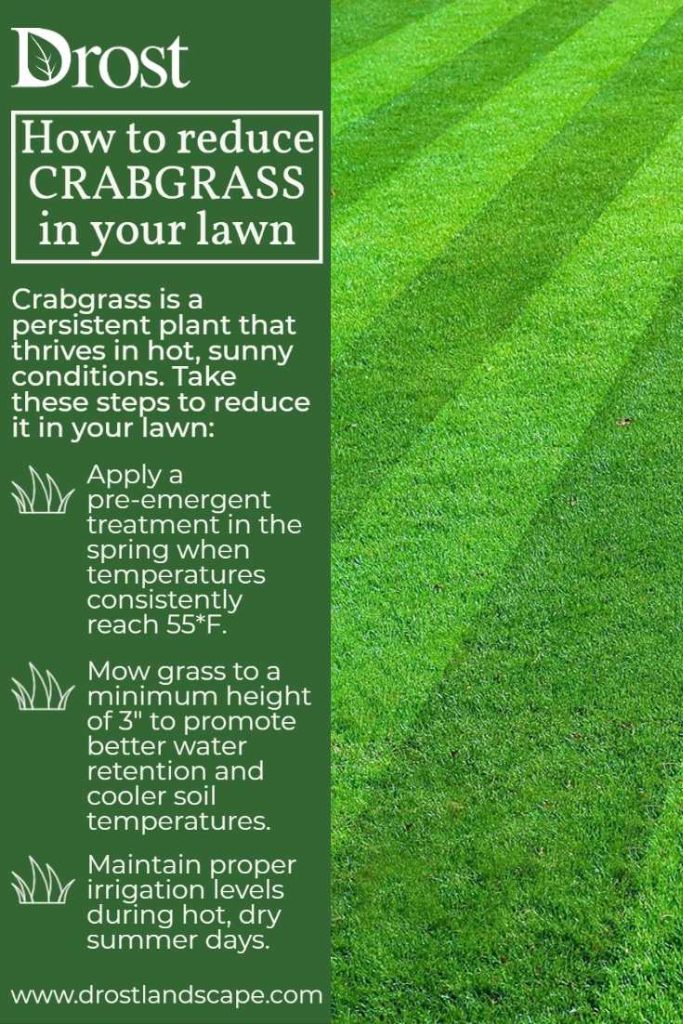
Quick Answer: The key to promoting grass health and preventing the growth of crabgrass lies in proper care and maintenance. By following a few simple steps, you can create an environment that discourages crabgrass while supporting a lush and vibrant lawn.
Are you tired of dealing with unsightly crabgrass invading your lawn? Don’t worry, we’ve got you covered! In this article, we will dive into the world of crabgrass care and share some valuable tips to help you promote grass health and keep those pesky weeds at bay.
Crabgrass, scientifically known as Digitaria, is a common weed that can quickly take over your lawn if left unchecked. It thrives in bare or thin areas of grass, especially during warm seasons. However, with the right approach, you can effectively manage and prevent its growth, ensuring a healthy and beautiful lawn.
Through proper crabgrass care, you can create a dense and robust turf that leaves little room for these invaders to flourish. So, let’s get started on transforming your lawn into a lush paradise by implementing some simple but effective strategies.

Promoting Grass Health Through Proper Crabgrass Care
Understanding Crabgrass and Its Impact on Grass Health
Crabgrass is a common weed found in lawns across the world. It is an annual grassy weed that can quickly take over your lawn if not properly managed. Understanding the impact of crabgrass on grass health is crucial in maintaining a beautiful and lush lawn.
- Crabgrass competes with desirable grass species for essential nutrients, water, and sunlight, hindering their growth and development. This competition can result in thinning grass, bare patches, and an overall unhealthy lawn appearance.
- When crabgrass plants mature and produce seeds, these seeds can stay dormant in the soil for several years. This means that even if you clear your lawn of crabgrass one year, new plants can emerge from these dormant seeds in subsequent years.
- The presence of crabgrass can also attract pests and diseases, further compromising the health of your grass. Additionally, since crabgrass dies off during winter, it leaves empty spaces in your lawn that can be colonized by other weeds during the colder months.
Preventive Measures to Control Crabgrass Growth
Taking preventive measures to control crabgrass growth is essential in promoting grass health. By creating unfavorable conditions for crabgrass to grow, you can effectively minimize its presence in your lawn. Here are some preventive measures you can adopt:
1. Maintain Proper Lawn Care Practices
- Mow your lawn at the appropriate height based on the grass species you have. This will help shade the soil, preventing crabgrass seeds from germinating.
- Water your lawn deeply and infrequently, encouraging deep root growth of your grass. Avoid frequent shallow watering that can promote crabgrass germination.
- Aerate your lawn to alleviate soil compaction, which can create favorable conditions for crabgrass growth.
- Fertilize your lawn adequately to promote strong and healthy grass growth, making it more resistant to weed invasions.
2. Apply Pre-Emergent Herbicides
- Pre-emergent herbicides are chemicals that inhibit the germination of weed seeds, including crabgrass. Apply these herbicides in early spring before crabgrass seeds start to germinate.
- Follow the instructions on the herbicide label carefully, as the timing and application rate can vary depending on the product and your specific lawn conditions.
- Remember to water your lawn lightly after applying pre-emergent herbicides to activate the chemicals and ensure proper distribution in the soil.
Post-Emergent Crabgrass Control
Even with preventive measures, some crabgrass may still manage to sprout in your lawn. It is crucial to address these weeds promptly to prevent them from spreading and affecting your grass health. Here are some post-emergent options for crabgrass control:
1. Hand Pulling or Digging
- If you only have a few crabgrass plants, hand pulling or digging them out can be an effective control method. Ensure you remove the entire plant, including the roots, to prevent regrowth.
- Do this when the soil is moist to facilitate easier removal, and ensure you dispose of the crabgrass plants properly to prevent reseeding.
2. Selective Herbicides
- Selective herbicides specifically target grassy weeds like crabgrass while sparing desirable grass species. Look for herbicides labeled for crabgrass control and follow the instructions for proper application.
- Apply selective herbicides when crabgrass is actively growing and has reached the appropriate stage for effective control.
Maintaining a Healthy Lawn to Prevent Crabgrass Reinfestation
Keeping your lawn in optimum health is key to preventing crabgrass reinfestation and maintaining a weed-free lawn. Here are some additional tips to maintain a healthy lawn:
1. Regular Maintenance
- Continue following proper lawn care practices like regular mowing, watering, fertilizing, and aerating to promote strong grass growth and minimize opportunities for weed invasion.
- Remove any weak or damaged grass immediately to prevent weed encroachment and promote healthier grass growth.
2. Overseeding
- Overseeding involves spreading grass seeds over existing lawns to fill in thin areas and promote a thicker grass cover. A dense and healthy lawn can naturally suppress weed growth, including crabgrass.
- Choose grass species that are well-suited to your climate and lawn conditions, and follow proper overseeding practices for optimal results.
3. Regular Inspections
- Regularly inspect your lawn for signs of crabgrass or other weed growth. Promptly address any emerging weeds to prevent them from spreading and competing with your desirable grass.
- Consider using spot treatments with selective herbicides for targeted weed control instead of blanket applications that can harm your grass.
Promoting grass health through proper crabgrass care is essential for maintaining a beautiful and weed-free lawn. By understanding the impact of crabgrass on grass health, adopting preventive measures, and implementing effective control strategies, you can ensure your lawn remains healthy, lush, and visually appealing. Remember to follow proper lawn care practices, consider pre-emergent herbicides, address post-emergent crabgrass promptly, and maintain overall lawn health to prevent reinfestation. With diligence and proper care, you can enjoy a thriving lawn that is resilient to crabgrass and other weed invasions.
Crabgrass vs Dallisgrass: Understanding the Differences and Effective Control Methods
Frequently Asked Questions
How often should I water my lawn to prevent crabgrass?
Proper watering is crucial in preventing crabgrass growth. It is recommended to water your lawn deeply and infrequently. One inch of water per week, either from rainfall or irrigation, is usually sufficient. Watering deeply encourages the roots of your grass to grow deeper, making them stronger and more resistant to crabgrass invasion.
What is the best time to apply pre-emergent herbicides for crabgrass control?
To effectively control crabgrass, it is important to apply pre-emergent herbicides at the right time. The best time to apply these herbicides is in the early spring before the soil temperature reaches 55 degrees Fahrenheit (13 degrees Celsius). This typically coincides with the blooming of forsythia shrubs or when the lilac leaves are about the size of a mouse’s ear. Applying the herbicide too early or too late can reduce its effectiveness.
Is overseeding beneficial in preventing crabgrass growth?
Yes, overseeding can be a beneficial practice in preventing crabgrass growth. By overseeding your lawn, you promote the growth of thick, healthy grass, which helps to crowd out the crabgrass and prevent it from establishing. It is important to choose the right grass species and seed mixture suitable for your region and lawn conditions.
Should I mow my lawn high or low to prevent crabgrass?
Mowing your lawn high is recommended to prevent crabgrass growth. By maintaining a higher grass height, typically between 2.5 to 3.5 inches (6 to 9 centimeters), you shade the soil and inhibit the germination of crabgrass seeds. Taller grass also develops stronger roots and outcompetes the crabgrass, making it harder for it to establish and grow.
Can organic fertilizers help in reducing crabgrass infestation?
Yes, organic fertilizers can contribute to reducing crabgrass infestations. They support the overall health of your grass, making it more resilient to crabgrass invasion. Organic fertilizers release nutrients slowly and promote the growth of strong root systems, which can better compete with crabgrass. However, it is important to follow the recommended application rates and timing for organic fertilizers to avoid nutrient imbalances and other issues.
Final Thoughts
Promoting grass health through proper crabgrass care is essential for maintaining a vibrant and lush lawn. By regularly mowing at the correct height, watering deeply but infrequently, and applying pre-emergent herbicides, you can effectively prevent crabgrass from taking over your lawn. Regularly aerating and overseeding also helps to ensure healthy grass growth while minimizing the chances of weed invasion. Remember to remove any weeds manually and address any bare spots promptly. By following these simple steps, you can create an environment that promotes grass health and minimizes the presence of crabgrass.