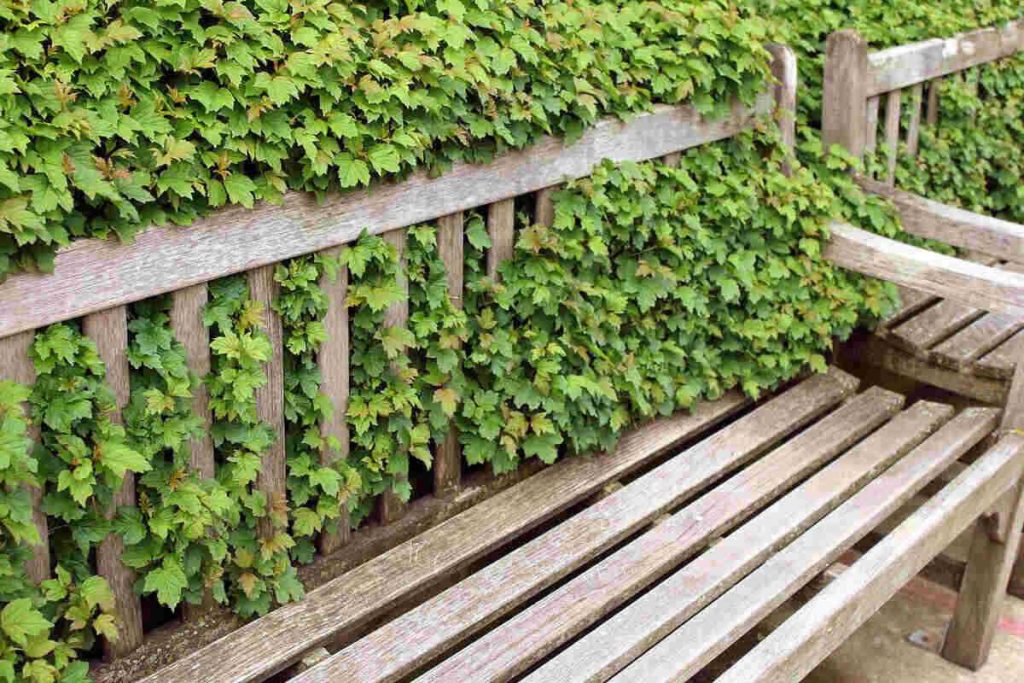
If your tall and overgrown bushes are getting out of hand, don’t worry—trimming them back can be a straightforward task. The key is to use the right tools and techniques to rejuvenate your plants while maintaining their shape. Start by assessing the bush’s overall health and deciding how much to trim. Use sharp pruning shears or hedge trimmers for clean cuts, making sure to remove any dead or diseased branches. It’s best to do this during their dormant season to promote healthy regrowth. With a little time and effort, you can transform your overgrown bushes into attractive, manageable features in your landscape. Let’s dive into the details to help you achieve that gorgeous garden!

Landscaping How To Trim Tall And Overgrown Bushes
Trimming tall and overgrown bushes can be a daunting task for many homeowners. However, with the right tools and techniques, you can master this skill and make your yard look neat and tidy. This guide will walk you through everything you need to know about trimming bushes, ensuring they look their best while promoting healthy growth.
Understanding Why Bushes Need Trimming
Trimming your bushes is not just about aesthetics. It plays a crucial role in their overall health.
– **Promotes Health**: Regular trimming helps remove dead or diseased branches, allowing the plant to focus its energy on healthy growth.
– **Encourages Growth**: Pruning stimulates new growth, making your bushes fuller and more vibrant.
– **Enhances Appearance**: Shaping your bushes can create a visually appealing landscape, enhancing your home’s curb appeal.
Gathering Your Tools
Before you start trimming, it’s essential to have the right tools. Here’s a list of what you will need:
- Pruning shears
- Loppers for thicker branches
- Hedge trimmer (manual or electric)
- Gloves for hand protection
- Safety goggles to protect your eyes
- Rake and trash bags for cleanup
When Is the Best Time to Trim Bushes?
Timing is key when it comes to trimming your bushes. Different plants have different growth cycles.
– **Late Winter to Early Spring**: This is often the best time to trim most bushes. It prepares them for new growth.
– **Flowering Plants**: If you have flowering bushes, avoid trimming them right before they bloom. Instead, prune them right after their flowering season.
– **Fall**: This is a good time to remove any dead growth but be cautious of pruning too much before winter.
How to Assess the Condition of Your Bushes
Before grabbing your tools, take a close look at your bushes.
– **Check for Dead Wood**: Look for branches that are brittle or broken.
– **Inspect for Pests**: Beetles, aphids, and other pests can affect your plants’ health.
– **Evaluate Shape**: Take note of the overall shape. This will guide your trimming process.
Step-by-Step Guide to Trimming
Now that you are prepared, let’s dive into the steps for trimming tall and overgrown bushes.
Step 1: Prepare the Area
Clear the area around your bushes. This allows you to move freely while trimming.
– Remove any debris such as fallen branches or leaves.
– Ensure your tools are clean and in working order.
Step 2: Start with the Dead Wood
Begin by removing any dead or damaged branches.
– Use pruning shears for smaller branches.
– For larger branches, loppers can help you get the job done.
Step 3: Shape the Bush
Once the dead wood is removed, it’s time to shape your bush.
– Step back and visualize the desired shape.
– Trim from the top down to maintain an even shape.
– Ensure the bush tapers slightly as it goes higher.
Step 4: Trim for Airflow
Good airflow is vital for the health of your plants.
– Thin out any overcrowded areas by removing some inner branches.
– This will allow sunlight and air to reach the center of the bush.
Step 5: Clean Up
After trimming, it’s essential to clean up the area.
– Rake up leaves and branches.
– Dispose of clippings properly to prevent pests.
Safety Tips While Trimming
Staying safe should be a priority when trimming bushes.
– Always wear gloves to protect your hands.
– Use goggles to protect your eyes from flying debris.
– Be cautious with sharp tools and ensure they are used correctly.
Common Mistakes to Avoid
Even experienced gardeners make mistakes. Here’s what to avoid:
- Not using sharp tools can lead to ragged cuts.
- Over-trimming can shock the plant.
- Ignoring safety precautions may lead to injuries.
Aftercare for Trimmed Bushes
Once the trimming is complete, consider how to care for your bushes.
– **Watering**: Make sure the bushes receive adequate water after trimming.
– **Fertilizing**: Apply a balanced fertilizer to promote healthy growth.
– **Monitoring**: Keep an eye out for any signs of stress or disease.
Frequently Asked Questions About Trimming Bushes
You might still have questions about trimming tall and overgrown bushes.
– **How much should I trim?** A good rule of thumb is to remove no more than one-third of the plant at a time.
– **Do I need to trim every year?** Yes, annual trimming helps maintain shape and health.
– **What if I trim at the wrong time?** If you accidentally trim at the wrong time, don’t worry. Just monitor the plant and provide extra care.
Trimming tall and overgrown bushes might seem like a challenge, but with the right knowledge and tools, you can do it successfully. Remember to assess your plants, gather your tools, and follow the steps diligently. With a bit of patience and care, you will have a thriving landscape that you can be proud of.
Trimming Big Bushes and Hedges Overgrown
Frequently Asked Questions
What tools are essential for trimming tall and overgrown bushes?
When trimming tall and overgrown bushes, you’ll need a few key tools for efficiency and safety. A pair of sharp pruning shears works well for small branches and fine cuts. For thicker branches, use loppers or a pruning saw. If the bushes are very tall, a pole saw or hedge trimmer can help you reach higher areas. Additionally, gloves and safety goggles will protect you from thorns and debris.
When is the best time to trim overgrown bushes?
The ideal time to trim overgrown bushes often depends on the specific type of bush. Generally, late winter or early spring is a good time to prune most deciduous shrubs before new growth begins. However, for flowering bushes, it’s important to prune after they bloom to avoid cutting off next year’s flowers. Always research the specific needs of your bushes for the best results.
How can I ensure I don’t damage my bushes while trimming?
To avoid damaging your bushes, start by using the right tools and ensuring they are clean and sharp. Make clean cuts at a slight angle to promote healthy healing. Avoid cutting more than one-third of the plant at once, as this can stress the bush. Focus on shaping the bush while maintaining its natural growth pattern, and be mindful of any dead or diseased branches that require removal.
What should I do with the clippings after trimming?
After trimming, you have several options for handling the clippings. You can compost smaller branches and leaves to recycle nutrients back into your garden. Larger branches may need to be cut down and disposed of in yard waste bags or taken to a local green waste facility. Ensure that you tidy up the area to prevent any accidents and maintain the beauty of your landscape.
How can I encourage healthy growth after trimming?
To encourage healthy growth after trimming, make sure to water the bushes regularly, especially during dry spells. Applying a balanced fertilizer can also help replenish nutrients lost during pruning. Mulching around the base of the bushes retains moisture and suppresses weeds. Additionally, keep an eye out for pests or diseases that may affect the plants post-trim, and address any problems promptly.
Final Thoughts
Trimming tall and overgrown bushes can enhance the beauty of your landscape and promote healthy growth. Start by assessing the size and shape you want to achieve, then gather the appropriate tools for the job. Always make clean cuts and remove any dead or diseased branches to encourage new growth.
Regular maintenance is key to preventing bushes from becoming overgrown in the future. By following the steps outlined in this guide on “Landscaping How To Trim Tall And Overgrown Bushes,” you can ensure your garden remains neat and visually appealing. Happy gardening!