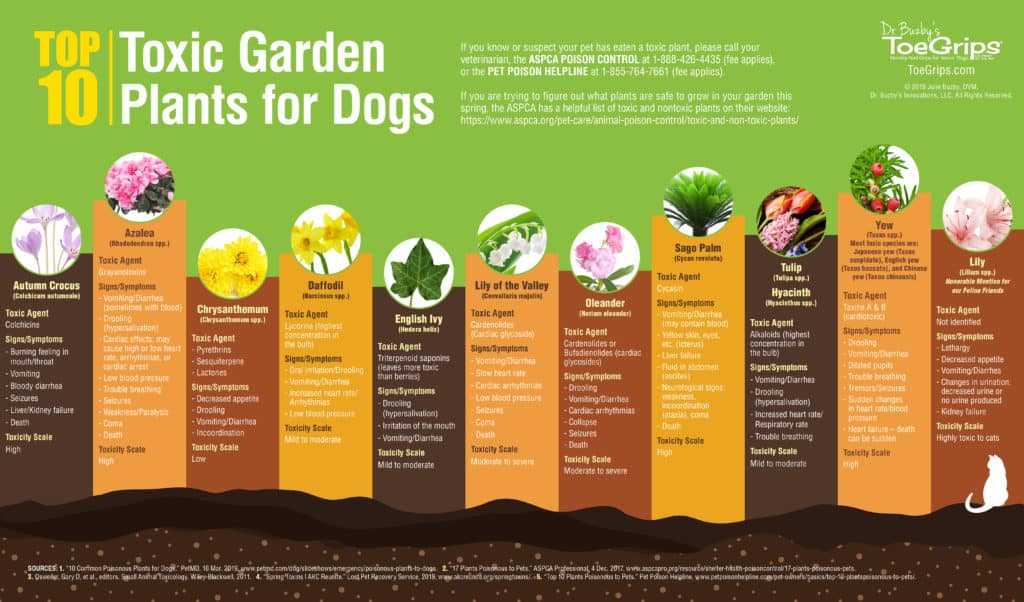
If you’re a dog owner, it’s crucial to be aware of the landscape plants that could pose a danger to your furry friend. Many common garden plants can be toxic, leading to serious health issues if ingested. Some of the most hazardous include azaleas, oleanders, and certain types of lilies. To keep your dog safe, it’s best to research and remove any potentially harmful plants from your yard or garden. By being proactive and informed, you can create a beautiful outdoor space that’s also safe for your beloved pet. Let’s delve deeper into which plants to avoid, the symptoms of poisoning, and how to ensure your dog stays happy and healthy in your garden.

“`html
Poisonous Landscape Plants For Dogs
When it comes to creating a beautiful garden, many homeowners may overlook the dangers of certain plants to their furry friends. Understanding which plants can be toxic is crucial for the health and safety of your dog. This article will delve into various poisonous landscape plants for dogs and their effects, ensuring you make informed decisions when landscaping your property.
Understanding Plant Toxicity in Dogs
Plant toxicity in dogs can vary greatly based on several factors. The amount ingested, the dog’s size, and their individual sensitivity to specific plants all play a role. Symptoms of poisoning can range from mild gastrointestinal distress to severe organ failure. It’s essential to stay vigilant and educated.
Common signs of plant poisoning in dogs include:
- Vomiting
- Diarrhea
- Excessive drooling
- Loss of appetite
- Lethargy
If you notice any of these symptoms after your dog has been around certain plants, seek veterinary care immediately.
Top Poisonous Plants to Watch Out For
There are many beautiful but dangerous plants that can harm your dog. Below are some of the most common poisonous landscape plants for dogs:
1. Azalea
Azaleas are popular flowering shrubs that can be found in many gardens. However, they contain grayanotoxins, which can cause severe gastrointestinal issues. Dogs that ingest azaleas may show symptoms such as vomiting, diarrhea, and even heart problems.
2. Oleander
Oleander is known for its stunning flowers, but it is highly toxic to dogs. All parts of the plant contain compounds that can be fatal. Signs of oleander poisoning include vomiting, decreased heart rate, and lethargy.
3. Sago Palm
The sago palm is a common ornamental plant but is extremely toxic to pets. The seeds are particularly dangerous. Ingesting even a small amount can lead to liver failure. Symptoms may include vomiting, diarrhea, and seizures.
4. Yew
Yews are often used in landscaping for their evergreen foliage. However, they contain taxines, which can cause heart issues and death. Signs of yew poisoning include difficulty breathing, tremors, and sudden collapse.
5. Foxglove
Foxglove is a beautiful flowering plant that can be lethal to dogs. It contains digitalis, which affects the heart. Dogs may experience symptoms such as vomiting, diarrhea, and potentially fatal heart arrhythmias.
Other Poisonous Plants to Consider
In addition to the aforementioned plants, there are several others that pose risks to your dog. Be aware of the following:
- Rhododendron: Similar to azaleas, they can cause severe gastrointestinal problems.
- Lily of the Valley: Contains cardiac glycosides, which can lead to heart issues.
- Castor Bean: Produces ricin, a highly toxic compound that can cause severe illness or death.
- Some types of mushrooms: Not all mushrooms are toxic, but some can cause severe gastrointestinal distress and even organ failure.
Signs of Poisoning and Immediate Action
Being able to identify the signs of poisoning is critical. If a dog ingests a toxic plant, acting quickly can save their life. Here are steps to take if you suspect poisoning:
1. **Assess the situation**: Try to identify what your dog has eaten.
2. **Contact a veterinarian**: Give them as much information as possible, including the plant’s name and symptoms.
3. **Follow their advice**: The vet may recommend bringing your dog in for treatment or provide home care instructions.
Preventing Plant Poisoning in Dogs
Prevention is key when it comes to keeping your dog safe from poisonous plants. Here are some effective strategies:
- Do your research: Before adding any new plants to your garden, check if they are safe for dogs.
- Fencing: Use barriers to keep dogs away from potentially toxic areas.
- Training: Teach your dog to avoid certain plants; this can be a lengthy process but is worthwhile.
- Regular checks: Inspect your yard frequently for any new plants or mushrooms that may have sprouted.
Safe Alternatives to Toxic Plants
If you’re looking to beautify your garden without the risk of poisoning your dog, consider planting safe alternatives. Here are some dog-friendly plants:
- Marigolds: Bright and cheerful blooms that deter pests.
- Sunflowers: Tall and bright, great for attracting pollinators.
- Basil: A fragrant herb that is safe for dogs.
- Dogwood: A tree that is both beautiful and non-toxic to pets.
Being informed about which plants are harmful to your pets is essential for any responsible dog owner. Regularly educating yourself and making conscious choices in your gardening practices will significantly reduce the risk of poisoning. Always prioritize your dog’s safety and well-being as you cultivate your landscape.
“`
List of 7 Most Poisonous Plants for Dogs 🍃🌷🐶 // Secret Plants
Frequently Asked Questions
What are some common landscape plants that are toxic to dogs?
Several landscape plants can pose a risk to dogs. Common examples include azaleas, which can cause vomiting and diarrhea, and oleander, known for its cardiac toxicity. Other hazardous plants include foxglove, yew, and sago palms. It’s crucial for pet owners to be aware of these plants to keep their dogs safe.
How can I tell if my dog has ingested a poisonous plant?
If you suspect your dog has eaten a toxic plant, watch for symptoms such as vomiting, diarrhea, lethargy, excessive drooling, or changes in behavior. In severe cases, dogs may experience seizures or difficulty breathing. If you notice any of these signs, seek veterinary care immediately.
What should I do if I suspect my dog has eaten a poisonous plant?
If you believe your dog has ingested a toxic plant, contact your veterinarian or an emergency animal clinic right away. Provide them with details about the plant and any symptoms your dog is exhibiting. Prompt action can make a significant difference in your dog’s recovery.
Are there any safe alternatives to toxic landscape plants for dog owners?
Yes, several dog-friendly plants can enhance your landscape without the risk of toxicity. Consider using varieties like rosemary, lavender, or marigolds, which are safe for pets and can add beauty to your garden. Always research before introducing new plants to ensure they are non-toxic to dogs.
How can I prevent my dog from accessing poisonous plants in my garden?
To keep your dog safe, consider fencing off areas with toxic plants or opting for raised garden beds. Training your dog to avoid certain areas can also be effective. Regularly inspect your garden and remove any harmful plants to create a safer environment for your pet.
What resources can help me identify poisonous plants in my area?
Numerous resources exist to help identify toxic plants. Websites such as the ASPCA’s Poison Control or local extension services provide comprehensive lists of poisonous plants specific to your region. Joining community forums or consulting with local veterinarians can also offer valuable insights into safe landscaping practices for pet owners.
Final Thoughts
Being aware of the dangers posed by certain plants is crucial for dog owners. Many common landscape plants can be toxic, leading to serious health issues for our furry friends.
Identifying and removing these poisonous landscape plants for dogs can prevent accidents and ensure a safer environment. Take the time to educate yourself about which plants to avoid and opt for pet-friendly alternatives to keep your dog safe and healthy.