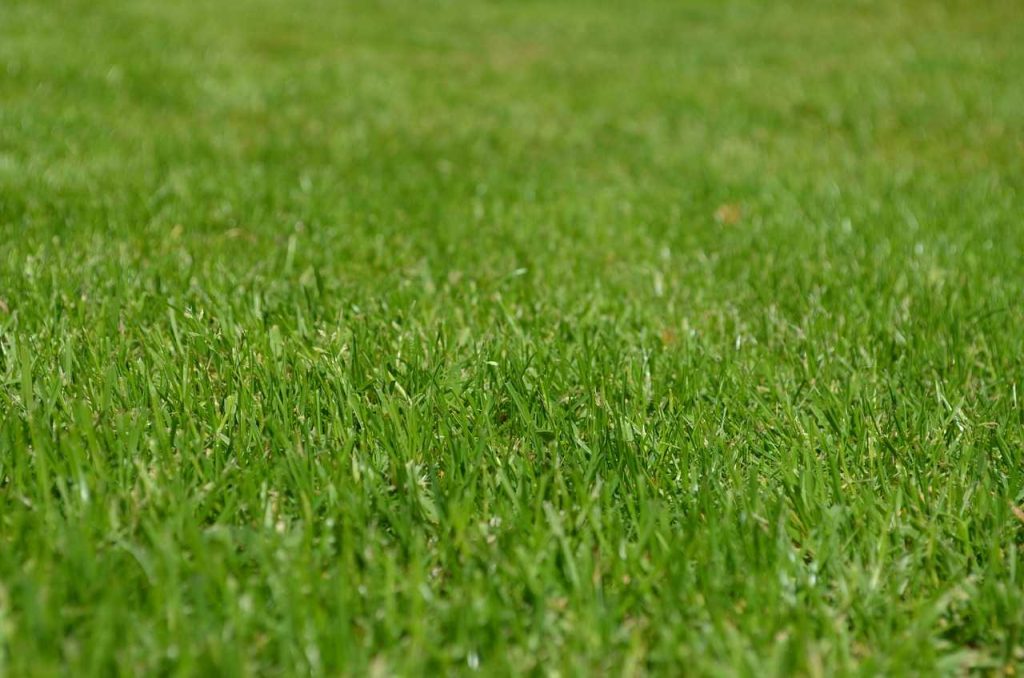
Planting Bermuda grass in Texas is your best bet for a lush, durable lawn that thrives in the hot, sunny climate. For quick success, ensure you choose the right variety, prepare the soil properly, and plant at the optimal time during late spring or early summer. Regular watering and fertilization will keep your Bermuda grass green and healthy year-round.
To grow Bermuda grass successfully in Texas, select a heat-tolerant variety suited for the region, prepare the soil by removing weeds and adding nutrients, and plant during the warm months. Consistent watering and proper maintenance will help establish a dense, vibrant lawn that withstands Texas’s extreme weather conditions.
If you’re looking to transform your yard into an attractive outdoor space amid Texas’s intense sun and heat, planting Bermuda grass is an excellent solution. This resilient turfgrass not only survives but flourishes in Texas’s climate, providing a lush, green canvas for outdoor activities. Start by choosing the right type of Bermuda for your area, prepare your soil thoroughly, and time your planting for late spring or early summer when temperatures are ideal. With regular watering and fertilizing, your Bermuda lawn will develop into a hardy, beautiful landscape that withstands drought and heavy foot traffic. Whether you want a perfect golf course look or a family-friendly lawn, Bermuda grass is your go-to choice for a vibrant, low-maintenance yard in Texas.

Planting Bermuda Grass in Texas: Your Complete Guide to a Green Lawn
Understanding Bermuda Grass and Its Suitability for Texas
Bermuda grass is a warm-season grass that thrives in hot climates like Texas. It is known for its durability, drought tolerance, and dense growth, making it a popular choice for lawns, sports fields, and golf courses across the state. Because Texas has long, hot summers, Bermuda grass remains green and healthy during the peak growing season.
This grass type is especially suitable for regions with full sunlight and well-drained soil. It grows best when daytime temperatures range between 75 and 95 degrees Fahrenheit. If you want a lush, resilient lawn that can withstand the Texas heat, Bermuda grass is an excellent option.
Preparing the Soil for Bermuda Grass Planting
Proper soil preparation is crucial for successful Bermuda grass establishment. Start by testing your soil to check its pH level, ideally between 5.8 and 7.0. Most Texas soils are suitable; however, adding amendments can improve growth.
Clear the area of weeds, rocks, and debris before planting. Loosen the soil to a depth of at least six inches using a rototiller or garden fork. Incorporate organic matter like compost to boost fertility and improve drainage. Level the soil surface to ensure even coverage and prevent water pooling.
Selecting the Right Bermuda Grass Variety
Numerous Bermuda grass varieties exist, each with specific traits suitable for different needs. For Texas lawns, popular types include TifTuf, Tifway, and Celebration. TifTuf is known for its drought resistance and quick recovery, making it a favorite among homeowners.
Consider your local climate, soil type, and lawn usage when choosing a variety. Consulting with local nurseries or extension offices can help identify the best Bermuda grass for your specific location in Texas.
Timing Your Bermuda Grass Planting
Timing is key to establishing Bermuda grass successfully. Plant during the late spring or early summer when soil temperatures reach at least 65 degrees Fahrenheit. This period allows the grass to take root before the intense heat of summer.
Avoid planting in the fall or winter when temperatures are too low or the grass’s growth slows down. In Texas, late April through June is the ideal window for planting Bermuda grass for optimal results.
Seeding vs. Sod: Which Is Better for Texas Lawns?
You can establish Bermuda grass either through seeding or laying sod, depending on your priorities and budget. Seeding is more affordable and offers a wider selection of varieties but takes longer to establish.
Sod provides immediate coverage and a quicker green lawn but is generally more expensive. For quick results and minimal wait time, sod is preferred, especially for high-traffic areas or sports fields. Seeding, however, works well if you’re patient and want a cost-effective option.
Planting Bermuda Grass: Step-by-Step
The installation process varies slightly between seed and sod, but basic steps include:
- Preparing the soil surface by leveling and moistening.
- For seeds: Spread evenly across the prepared soil at a rate of about 1 to 2 pounds per 1000 square feet.
- For sod: Lay the pieces tightly together in a brick-like pattern, avoiding gaps.
- Water thoroughly immediately after planting to help germination or root establishment.
- Maintain the soil consistently moist during germination or initial rooting period.
Regular watering is crucial during the first four to six weeks to promote healthy growth.
Watering and Maintenance After Planting
Proper watering encourages strong root growth. For the first two weeks, water daily to keep the soil moist but not waterlogged. After that, gradually reduce frequency to about once or twice a week, depending on rainfall and temperature.
Once established, Bermuda grass is drought-tolerant but still benefits from deep watering during dry spells. Aim for about one inch of water weekly for healthy development. Regular mowing, fertilization, and aeration keep the lawn lush and vibrant.
Fertilizing Bermuda Grass in Texas
Fertilization is essential for a dense and green Bermuda lawn. Apply a balanced fertilizer high in nitrogen every six to eight weeks during the growing season. An example is a 16-4-8 or 21-7-14 fertilizer, following the product instructions.
Avoid over-fertilizing, which can lead to thatch buildup or promote disease. Test your soil annually to adjust fertilizer needs and maintain optimal nutrient levels.
Common Challenges and Solutions for Bermuda Grass in Texas
Texas lawns may face challenges like weeds, pests, and diseases. Weeds such as crabgrass can compete with Bermuda grass, so early treatment with pre-emergent herbicides helps prevent infestation. For pests like Chinch bugs and grubs, targeted treatments are necessary.
Diseases like dollar spot and leaf spot can occur in overly moist conditions. Proper watering, good airflow, and removing debris can prevent many issues. Regular lawn maintenance reduces the risk of problems and helps keep Bermuda grass healthy.
Tips for Managing Bermuda Grass During the Off-Season
In colder months, Bermuda grass turns brown and goes dormant. To protect your lawn, avoid heavy foot traffic on dormant grass. In late fall, rake up leaves and debris to prevent disease.
Aerate the soil annually to improve airflow and nutrient absorption. In Texas, dormancy typically occurs from late fall to early spring. Preparing your lawn for dormancy ensures a quicker green-up when warmer weather returns.
Related Topics for a Thriving Texas Lawn
To complement Bermuda grass planting, consider the following topics:
- Soil testing and amendment strategies
- Choosing drought-tolerant landscaping options
- Proper irrigation techniques for Texas heat
- Best mowing heights and practices for Bermuda grass
- Dealing with common weeds and pests in Texas lawns
Integrating these practices ensures your Bermuda grass lawn remains healthy, attractive, and resilient against Texas’s diverse climate challenges.
Additional Resources for Texas Lawn Owners
For tailored advice, contact your local Texas Cooperative Extension Service. They provide valuable guidance on grass selection, soil testing, and lawn care specific to your region. Visiting local garden centers can also help you select the right Bermuda grass variety and care products.
Regularly checking weather patterns and adjusting your lawn care routine accordingly will optimize Bermuda grass growth. Stay informed about upcoming droughts or storms, and adapt your watering and maintenance schedule to protect your investment.
By following these detailed steps and tips, you can successfully plant and maintain Bermuda grass that flourishes in Texas’s climate. With patience and care, your lawn will become a vibrant, lush space that enhances your home’s beauty and value.
Bermuda Grass vs St. Augustine Grass | Warm Season Turf Types in Texas
Frequently Asked Questions
What is the best time of year to plant Bermuda grass in Texas?
Plant Bermuda grass in Texas during late spring to early summer when soil temperatures reach between 65°F and 70°F. This timing allows the grass to establish roots before the heat of summer and helps ensure vigorous growth. Avoid planting in the fall or winter, as cold temperatures can hinder germination and establishment.
How can I prepare my soil for planting Bermuda grass in Texas?
Start by removing any weeds, debris, and existing grass from the area. Loosen the soil to a depth of 6-8 inches using a rototiller or garden fork. Incorporate a balanced fertilizer and organic matter to improve soil fertility and drainage. Reseed or level the soil surface to create an even area for planting, which encourages uniform growth.
What methods are effective for planting Bermuda grass in Texas?
You can plant Bermuda grass through sod, seed, or plugs. Sodding offers immediate coverage and quick establishment, while seeding is more affordable but requires patience. Plugs, small sections of mature grass, establish quickly and are suitable for larger areas. Ensure proper watering and maintenance regardless of the method you choose to guarantee healthy growth.
How often should I water my Bermuda grass after planting in Texas?
Water your Bermuda grass thoroughly immediately after planting to help settle the soil and promote germination. Maintain consistent moisture by watering lightly 1-2 inches every 2-3 days during the first few weeks. Once the grass is established, reduce frequency but ensure it receives about 1 inch of water weekly to keep the roots healthy.
What common challenges should I watch for when planting Bermuda grass in Texas?
Watch for pests, such as grubs and beetles, which can damage the turf. Weeds often compete with young grass, so apply appropriate herbicides carefully. Poor soil drainage may lead to root rot, especially during heavy rains. Additionally, extreme heat and drought stress can inhibit growth, so use proper watering and mulching techniques to protect your lawn.
Final Thoughts
Planting bermuda grass in Texas offers an excellent way to create a durable and vibrant lawn. Select a sunny location and prepare the soil by loosening it and removing weeds. Water the area well before planting to ensure healthy germination.
Choose high-quality bermuda grass seed or sod for best results. Regular watering and mowing will keep your lawn lush and thick. Pay attention to local climate conditions to optimize growth.
In conclusion, planting bermuda grass in Texas is a practical choice for homeowners seeking a resilient lawn. Proper preparation, selection, and maintenance will help your grass thrive.