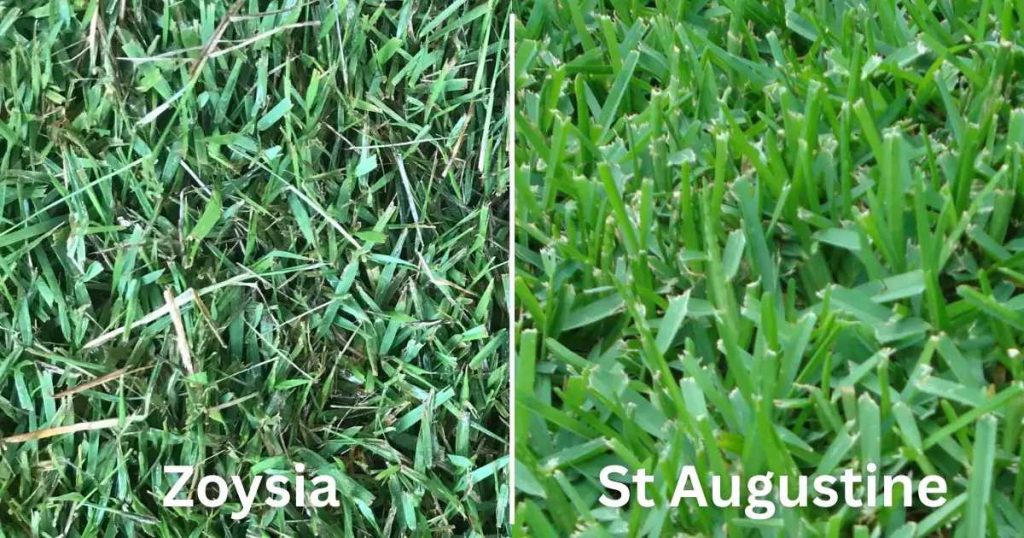
For a lush, resilient lawn that withstands heat and heavy foot traffic, consider mixing St. Augustine, Zoysia, and Bermuda grass. These grasses each bring unique strengths—St. Augustine offers shade tolerance, Zoysia provides dense wear resistance, and Bermuda thrives in full sun and drought conditions—creating a versatile and durable turf.
**In short, combining these grasses can give you a beautiful, low-maintenance lawn tailored to your specific climate and usage needs.** Understanding how to balance their different requirements and growth habits is key to achieving a lush, healthy yard.
Starting with a yard that features a variety of grass types can be the game-changer for homeowners seeking durability, aesthetic appeal, and adaptability to their environment. Each grass has its own pros and cons—St. Augustine grasses excel in shaded areas, Zoysia offers slow growth with a fine texture, and Bermuda grass is perfect for sunny, high-traffic spots. Knowing how to blend and care for these grasses can maximize your lawn’s potential, providing a vibrant, resilient landscape that stands out throughout the seasons. Whether you’re renovating an existing lawn or planting anew, understanding the unique qualities of each grass type helps you make smarter choices for a thriving, beautiful yard.

Understanding St Augustine Zoysia Bermuda Grass: A Complete Guide
What Is St Augustine Zoysia Bermuda Grass?
St Augustine, Zoysia, and Bermuda grass are three popular types of turfgrass used for lawns and sports fields. Each has unique features that make them suitable for different climates and uses. Knowing their characteristics helps homeowners and landscapers pick the right grass for their yard or project.
St Augustine Grass
St Augustine grass is known for its thick, lush, and soft blades. It grows well in warm, humid climates. This grass is ideal for shaded areas and creates a luxurious, emerald-green carpet that feels good underfoot.
Zoysia Grass
Zoysia is a dense, slow-growing grass with fine or broad blades depending on the variety. It tolerates drought, heat, and foot traffic. Zoysia is often used in golf courses and high-traffic lawns because of its durability.
Bermuda Grass
Bermuda grass thrives in full sunlight and is incredibly hardy. It has fine blades and spreads quickly via runners. Bermuda is popular for sports fields and lawns that need to recover fast from wear or drought.
Comparing the Three Types of Grass
| Feature | St Augustine | Zoysia | Bermuda |
|———|—————-|——–|———|
| Climate | Warm, humid | Warm, moderate | Hot, sunny |
| Maintenance | Moderate | Low to moderate | Moderate to high |
| Shade Tolerance | High | Moderate | Low |
| Drought Tolerance | Moderate | High | Moderate |
| Growth Rate | Fast | Slow | Fast |
| Texture | Coarse to medium | Fine to coarse | Fine |
Choosing the Best Grass for Your Lawn
Choosing between St Augustine, Zoysia, or Bermuda depends on your climate, yard size, and how much time you want to spend maintaining it. Consider shaded areas, foot traffic, and drought resistance when making your selection.
Factors to Think About
- Sunlight exposure
- Soil type and drainage
- Climate zone
- Water availability
- Usage and foot traffic
Planting and Establishment Tips
Getting your chosen grass established properly makes a big difference for its health and appearance. Use quality seed, sod, or plugs for best results. Follow specific planting instructions for each type to promote strong root growth.
Best Time to Plant
For St Augustine, spring and early summer are ideal. Zoysia can be planted in late spring or early summer. Bermuda grass is best planted in late spring after the last frost. Plant during these times when soil temperatures are warm enough for growth.
Preparing Your Soil
Start by removing weeds and debris. Loosen the soil to a depth of about four inches. Add compost or fertilizer if necessary to improve soil fertility and drainage. A well-prepared soil supports healthy grass growth.
Maintenance Tips for Healthy Lawns
Proper care ensures your grass stays vibrant and resistant to pests and diseases. Regular watering, mowing, fertilizing, and aeration help maintain optimal health.
Watering Guidelines
Deep watering once or twice a week is recommended. Adjust frequency based on rainfall and temperature. Avoid overwatering, which can lead to root rot and fungal problems.
Mowing Practices
Keep grass at recommended heights: St Augustine at about 2.5 to 4 inches, Zoysia at 1 to 2 inches, Bermuda at 1 to 1.5 inches. Regular mowing encourages dense growth and prevents weeds.
Fertilization
Apply balanced fertilizer during the growing season. Use nitrogen-rich formulas to promote lush, green turf. Follow a schedule based on grass type and local conditions.
Dealing with Pests and Disease
Monitor your lawn for signs of pests like grubs or chinch bugs. Use appropriate treatments if necessary. Maintain airflow and avoid overwatering to prevent fungal infections.
Common Challenges and Solutions
Landscapers often face issues such as scalping, weed invasion, or bare patches. Address these problems promptly with targeted solutions.
Handling Bare Spots
Reseed or lay sod patches in bare areas. Follow soil preparation and watering guidelines for quick recovery.
Combating Weeds
Maintain healthy grass to outcompete weeds. Use selective herbicides if weeds become problematic. Regular mowing and fertilizing help discourage weed invasions.
Managing Thatch and Lawn Compaction
Aerate the soil annually to reduce compaction. Remove excess thatch buildup to improve water and nutrient absorption.
Pros and Cons of Each Grass Type
Understanding the strengths and weaknesses of St Augustine, Zoysia, and Bermuda helps in making informed decisions.
St Augustine
- Pros: Excellent shade tolerance, soft texture, lush appearance
- Cons: Can be prone to thatch buildup, less drought tolerant, prefers moist soil
Zoysia
- Pros: Drought resistant, low maintenance, tolerant of cold and heat
- Cons: Slow establishment, expensive to install, can turn brown in winter
Bermuda
- Pros: Very hardy, quick recovery, excellent for active lawns
- Cons: Requires full sun, aggressive spreading, can be invasive
Additional Related Topics
Beyond growth and maintenance, understanding soil health, irrigation systems, and pest control techniques enhances your lawn care. Consider integrating organic fertilizers or natural pest deterrents to promote eco-friendly practices.
Soil Testing and Improvement
Test soil regularly to adjust pH and nutrient levels. Amend soil with lime or sulfur as needed to optimize conditions for turf growth.
Irrigation Systems
Install efficient sprinkler or drip irrigation systems to water evenly. Use timers to prevent over or under-watering and save water.
Pest and Disease Prevention
Keep your lawn healthy with good cultural practices. Use integrated pest management to minimize chemical use and protect the environment.
Each grass type offers unique benefits suited for specific needs and conditions. By understanding their characteristics and care requirements, you can select the right turfgrass to create a beautiful, functional lawn that lasts for years to come.
New Way To Get Rid of Bermuda Grass In St Augustine (and Zoysia)
Frequently Asked Questions
What are the main differences in maintenance requirements between St. Augustine, Zoysia, and Bermuda grasses?
St. Augustine requires frequent watering and regular fertilization to stay healthy, and it tends to grow quickly, needing regular mowing. Zoysia grass is more drought-tolerant and grows slowly, which reduces mowing frequency. Bermuda grass demands intensive maintenance, especially during active growing seasons, with frequent mowing and fertilization to maintain its dense cover. Each type has unique needs, so understanding these helps manage your lawn effectively.
How does climate influence the choice between St. Augustine, Zoysia, and Bermuda grasses?
St. Augustine thrives in warm, humid climates with consistent moisture. Zoysia performs well in both warm and transitional zones, tolerating some cold and drought. Bermuda grass prefers hot, sunny environments and can handle heat stress better than the others. Selecting the right grass depends on your regional climate to ensure optimal growth and health.
Can these grasses coexist in the same lawn, or should I choose one type?
While it is possible to mix these grasses, doing so may lead to uneven growth and maintenance challenges. Each grass type has specific sunlight, water, and soil preferences. For a uniform appearance and easier care, it is better to select a single grass type suited to your area’s conditions and your lawn’s usage needs.
What are common issues that affect St. Augustine, Zoysia, and Bermuda grasses?
St. Augustine often faces challenges from disease and insect pests, especially in poorly drained soils. Zoysia can develop thatch buildup if over-fertilized or mowed too low. Bermuda grass is susceptible to cold damage and weed invasion. Regular monitoring and proper cultural practices help prevent and manage these problems effectively.
How do these grasses perform in shaded areas?
St. Augustine adapts well to partial shade, making it suitable for lawns with some tree cover. Zoysia tolerates shade better than Bermuda but still needs several hours of direct sunlight for healthy growth. Bermuda grass generally struggles in shaded zones, and its performance diminishes significantly without ample sunlight. Choosing the right grass depends on the amount of shade your yard receives.
Final Thoughts
‘St augustine zoysia bermuda grass’ offers excellent options for lawn enthusiasts. Each type has distinct benefits, whether it’s dense coverage or drought resistance. Choosing the right grass depends on climate, soil, and maintenance preferences.
Proper care maximizes your lawn’s health and appearance. Regular watering, mowing, and fertilizing help ensure lush growth and durability. Understanding these grasses helps homeowners create vibrant, resilient lawns.
In conclusion, ‘st augustine zoysia bermuda grass’ provides versatile solutions for various landscaping needs. Selecting the best fit can lead to a lush, attractive yard tailored to your environment.