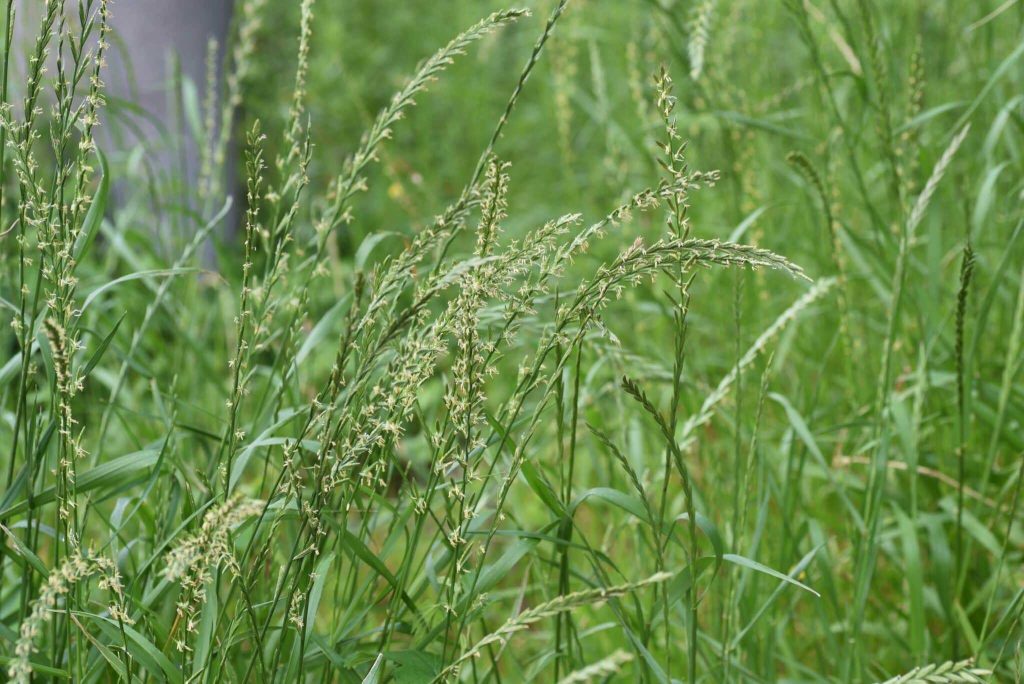
The best time to plant perennial ryegrass is in early fall or early spring when the soil temperatures are moderate and conditions are moist. Planting during these periods allows the grass to establish strong roots before extreme weather hits, leading to a lush, healthy lawn.
In short, aim to plant perennial ryegrass in early fall or early spring for optimal growth. These seasons provide the ideal conditions for seed germination and root development, ensuring your lawn stays vibrant year-round.
If you’re wondering when to plant perennial ryegrass, timing is everything to ensure a thriving, durable lawn. This grass variety grows best when sown in cooler, moist conditions typical of early fall or spring. Planting at these times helps the grass establish early, giving it a head start before the heat of summer or cold winter arrives. Being strategic about your planting schedule means you’ll enjoy a dense, green carpet that withstands foot traffic and weather challenges. So, plan your planting around these seasons to enjoy a beautiful, resilient lawn all year long.

Perennial Ryegrass When to Plant: A Complete Guide
Understanding Perennial Ryegrass and Its Growing Season
Perennial ryegrass is a popular grass choice for lawns, sports fields, and pastures because of its fast growth and durability. It thrives in temperate climates and offers a lush, green appearance. To get the best results, knowing the optimal times to plant perennial ryegrass is essential. This ensures healthy establishment and long-term success.
Optimal Planting Seasons for Perennial Ryegrass
Perennial ryegrass responds best when sown during specific times of the year. Generally, the ideal planting periods are in early spring and early fall. These seasons provide moderate temperatures and ample moisture, encouraging strong root development.
Spring Planting: When and Why
Spring is often considered the best time to plant perennial ryegrass in many regions. Timing depends on your local climate, but typically, planting occurs when soil temperatures reach between 50°F and 60°F (10°C to 15°C). This period usually falls between March and May.
Spring planting allows grass to establish before the heat of summer. The soil is usually moist from spring rains, helping seed germination. Additionally, planting in spring provides a full growing season for the grass to develop a dense, resilient turf.
Fall Planting: When and Why
Fall is another excellent time for planting perennial ryegrass, especially in regions with hot summers. The best window is typically from September through October. During this time, soil temperatures are still warm, but the air is cooler, reducing stress on new seedlings.
Planting in fall gives the grass time to establish roots before winter dormancy. It also takes advantage of autumn rainfall, which helps keep the soil moist. Fall planting often results in a thicker, more durable turf for the following summer.
Soil Conditions for Planting Perennial Ryegrass
Healthy soil is vital for successful planting and growth. Before planting, test your soil to check its pH level, which should ideally range from 6.0 to 7.0. If necessary, amend your soil with lime or fertilizer to improve fertility and pH balance.
Ensure the soil is well-drained and loosened to a depth of at least 4 inches. Aerating the soil helps roots penetrate deeper and promotes better water absorption. Remove any weeds or debris that could compete with new grass seedlings.
Factors That Influence Planting Time
Several environmental factors affect the best planting time for perennial ryegrass. These include temperature, soil moisture, and expected weather patterns.
Temperature Considerations
Grass seed germinates best when soil temperatures stay within the 50°F to 60°F (10°C to 15°C) range. Temperatures above 70°F (21°C) can delay germination and cause stress on young plants. Conversely, too cold temperatures hamper seed sprouting.
Rainfall and Moisture Levels
Consistent moisture is crucial during germination and early growth. Plan your planting when rainfall is forecasted or be prepared to water regularly. Well-irrigated soil helps seeds establish more quickly and reduces drought stress.
Weather Patterns and Climate Zone
Consult your local climate zone to determine the most suitable planting window. In cooler regions, spring is preferred, whereas in warmer or milder climates, fall planting might be more successful.
Preparation Tips for Successful Planting
Proper preparation increases the chances of successful ryegrass establishment. Follow these key steps:
- Clear the area of weeds, rocks, and debris.
- Loosen the soil to improve aeration and drainage.
- Test soil pH and apply amendments if necessary.
- Level the soil surface to avoid water pooling.
- Choose high-quality perennial ryegrass seed for best results.
Planting Techniques and Best Practices
For even seed distribution, use a seed spreader or by hand in small areas. Lightly rake the soil to cover the seed with a thin layer of soil or compost. Keep the soil consistently moist until the grass is well established, usually for the first four weeks.
Maintaining proper watering schedules and avoiding heavy foot traffic during germination helps strengthen young grass growth. Consider applying a starter fertilizer to promote healthy root development.
Timing and Maintenance for Optimal Growth
After planting, monitor weather conditions regularly. Adjust watering schedules based on rainfall and temperature changes.
Apply a balanced fertilizer about four to six weeks after planting. Keep mowing height around 2 to 3 inches to encourage dense growth and prevent weed invasion. Regular aeration and overseeding help maintain a lush and healthy turf.
Special Considerations for Different Climates
In cooler climates, planting in early spring ensures the grass has time to establish before winter. In warmer regions, fall planting allows the grass to develop during milder conditions.
In areas with high rainfall, ensure proper drainage to prevent waterlogging. Drought-prone regions may require supplemental watering and drought-resistant seed varieties.
Common Mistakes to Avoid When Planting Perennial Ryegrass
Avoid planting during extreme weather conditions, such as intense heat or freezing temperatures. Failing to prepare the soil properly can hinder germination and growth.
Overwatering or underwatering can both cause issues; follow recommended watering schedules. Using low-quality seed may lead to patchy, weak lawns that require frequent reseeding.
Summary of Best Planting Times by Region
| Region | Best Planting Season | Soil Temperature Range |
|————————-|————————————-|————————————-|
| Northern temperate | Early spring (March to May) | 50°F to 60°F (10°C to 15°C) |
| Southern temperate | Fall (September to October) | 55°F to 65°F (13°C to 18°C) |
| Coastal areas | Both spring and fall, depending on climate | 50°F to 65°F (10°C to 18°C) |
| Drought-prone regions | Fall or early spring, with irrigation | Soil moisture key |
Related Topics to Explore
- Best fertilization practices for perennial ryegrass
- Watering tips for new lawns
- Dealing with pests and diseases in young ryegrass
- Choosing the right seed mixture for your climate
- Proper mowing heights and schedules for lush lawns
Choosing the right time to plant perennial ryegrass is the foundation of a thriving, green lawn. Focus on planting during moderate temperatures with adequate soil moisture. Proper soil preparation, timing, and care will lead to a healthy, dense turf that lasts for years.
Perennial Ryegrass Pros and Cons
Frequently Asked Questions
What is the ideal time to plant perennial ryegrass in spring?
The best time to plant perennial ryegrass in spring is when soil temperatures reach around 50-55°F (10-13°C). Typically, this occurs in early to mid-spring, depending on your region. Planting during this window allows the grass to establish roots before the warmer summer months, ensuring healthy growth and durability.
Can I plant perennial ryegrass during the fall season?
Yes, fall is an excellent time to sow perennial ryegrass in many areas. Aim to plant during early to mid-fall, ideally when soil temperatures are still above 50°F (10°C). This timing gives the grass enough time to establish roots before winter, resulting in a vigorous start when spring arrives.
How does climate influence the timing of planting perennial ryegrass?
Your local climate significantly impacts the best planting time. In cooler regions, early spring or late summer/early fall tend to work best, while in milder climates, planting can occur more flexibly throughout the year. Always consider soil temperature and weather conditions to ensure successful establishment.
Is it advisable to plant perennial ryegrass in summer?
Planting perennial ryegrass during summer is generally not recommended because high temperatures and dry conditions can stress young seedlings. If you need to plant in summer, choose early morning or late evening times and ensure consistent watering. However, it’s often better to wait until cooler months for optimal results.
What preparation steps should I take before planting perennial ryegrass in early spring?
Before planting in early spring, prepare the soil by clearing debris, weeds, and old grass. Loosen the soil to improve aeration and drainage. Incorporate quality compost or fertilizers to boost nutrients. These steps create a conducive environment for the grass seeds to germinate and establish quickly.
Final Thoughts
Perennial ryegrass thrives when planted during early fall or spring, avoiding extreme heat or cold. These seasons provide ideal soil moisture and temperatures for germination. Proper timing ensures healthy growth and a lush lawn. In summary, knowing when to plant perennial ryegrass when to plant helps achieve the best results for your turf.