The best time to plant perennial ryegrass is in the early fall or spring. Perennial ryegrass is a popular type of grass that is known for its ability to thrive in cool climates and withstand heavy foot traffic. Whether you want to rejuvenate your lawn or establish a new one, planting perennial ryegrass at the right time is essential for its successful growth and development.
In the early fall, the soil is still warm from the summer heat, which creates ideal conditions for the germination and establishment of perennial ryegrass seeds. Additionally, the cooler temperatures of autumn prevent the grass from experiencing stress and reduce weed competition. This enables the grass to establish a strong root system before the winter sets in.
Alternatively, planting perennial ryegrass in the spring is another favorable option. As the temperature rises and the soil begins to warm up, the grass seeds will germinate quickly and establish themselves before the summer heat arrives. This timing allows the grass to grow vigorously during the cooler months and provides a lush green lawn throughout the spring and summer.
In conclusion, by planting perennial ryegrass in the early fall or spring, you can ensure the successful growth and establishment of a vibrant and resilient lawn.

When to Plant Perennial Ryegrass
Planting perennial ryegrass can be an exciting venture for both seasoned gardeners and beginners alike. This versatile grass species is known for its ability to withstand harsh conditions and provide a lush, green carpet in lawns, pastures, and other areas. However, to ensure successful establishment and healthy growth, it is crucial to plant perennial ryegrass at the right time. In this article, we will explore the optimal timing for planting perennial ryegrass, factors to consider, and tips for a successful planting experience.
Understanding Perennial Ryegrass
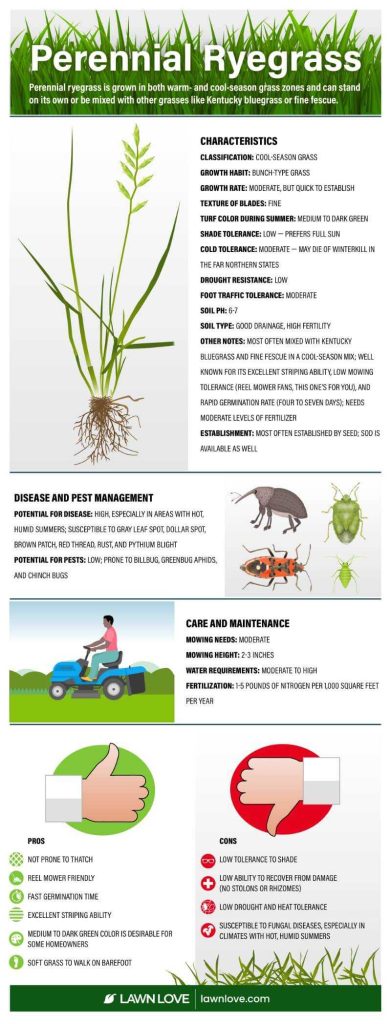
Before we delve into the best time to plant perennial ryegrass, let’s take a moment to understand this resilient turfgrass variety. Perennial ryegrass, scientifically known as Lolium perenne, is a cool-season grass commonly used for lawns, athletic fields, and pastures. It exhibits rapid germination and establishment, making it an attractive option for those looking for quick results.
Perennial ryegrass is known for its fine texture, lush green color, and ability to tolerate heavy foot traffic. It can also tolerate cold temperatures and remains green throughout the winter season in regions with mild climates. However, it may struggle in areas with scorching summers, as it is not as heat-tolerant as warm-season grasses.
Factors to Consider before Planting
Several factors should be taken into account when determining the appropriate time to plant perennial ryegrass. By considering these factors, you can maximize the chances of successful establishment and ensure healthy growth:
Climate and Geographic Location
The climate and geographic location play a crucial role in determining the best time to plant perennial ryegrass. As a cool-season grass, it thrives in regions with moderate temperatures and ample moisture. It is commonly cultivated in northern regions of the United States and areas with similar climatic conditions.
If you live in a region with harsh winters, it is recommended to plant perennial ryegrass in early fall. This provides the grass with sufficient time to establish before the onset of freezing temperatures. On the other hand, if you reside in a milder climate, you can opt to plant it in early spring or late winter.
Soil Temperature
Soil temperature is another critical factor to consider when determining when to plant perennial ryegrass. The ideal soil temperature range for germination and growth is between 50°F and 65°F (10°C and 18°C). Planting when the soil temperature is within this range promotes quick establishment and minimizes the risk of seedling stress.
To gauge the soil temperature accurately, invest in a soil thermometer. Measure the temperature at a depth of two to four inches (5-10 cm) since this represents the area where the seeds will be sown. Keep in mind that soil temperatures can vary depending on the time of day and weather conditions, so it’s advisable to take multiple readings over a few days.
Best Time to Plant Perennial Ryegrass
Based on the factors mentioned above, the best time to plant perennial ryegrass varies depending on your climate and soil conditions. Here are some guidelines to help you determine the optimal planting season:
Planting in Fall
If you reside in a region with cold winters, planting perennial ryegrass in the fall is highly recommended. The cooler temperatures and increased moisture during this season create ideal conditions for germination and establishment. By planting in early fall, you provide the grass with ample time to develop strong root systems before the arrival of freezing temperatures.
A good rule of thumb is to aim for a planting date around four to six weeks before the first expected frost. This allows the grass to establish before the ground becomes too cold for optimal growth. In most northern regions, this typically falls between late August and early October.
Planting in Spring
For those living in regions with milder climates or areas where winter temperatures do not plummet, spring can also be a suitable time to plant perennial ryegrass. By planting in early spring or late winter, you take advantage of the cooler temperatures and increased rainfall, which promote healthy germination and establishment.
It is important to note that while planting in spring offers favorable conditions, you may need to monitor the grass carefully during the hot summer months. Perennial ryegrass is not as heat-tolerant as warm-season grasses, so adequate irrigation and shade may be necessary to prevent stress and maintain its vibrant green color.
Planting Tips for Successful Establishment
Now that we have covered the best times to plant perennial ryegrass let’s explore some tips to ensure successful establishment:
Prepare the Soil
Before planting perennial ryegrass, it is essential to prepare the soil properly. Start by removing any rocks, debris, or existing vegetation. Loosen the soil to a depth of six to eight inches (15-20 cm) using a rake or tiller. Incorporate organic matter, such as compost or well-rotted manure, to improve soil fertility and drainage.
Seed Selection and Sowing
Choose high-quality perennial ryegrass seeds suited for your specific needs, whether it’s for a lawn, athletic field, or pasture. Follow the recommended seeding rates provided by the seed manufacturer to achieve the desired density. To ensure even coverage, divide the seeds into two equal portions and sow half in one direction and the other half in a perpendicular direction.
Watering and Irrigation
Proper watering is crucial during the establishment phase of perennial ryegrass. Keep the soil consistently moist, but avoid overwatering, as it can lead to waterlogged conditions and seedling diseases. Water lightly several times a day, if necessary, to prevent the soil from drying out. Once the grass is established, transition to deeper, less frequent watering to encourage deep root growth.
Fertilization and Maintenance
Apply a balanced starter fertilizer after planting to provide essential nutrients for initial growth. Follow the manufacturer’s recommendations regarding application rates and timing. Regularly monitor the grass for signs of nutrient deficiencies or pest problems. Mow the grass at a height of 2-3 inches (5-8 cm) to promote dense growth and discourage weed invasion.
Planting perennial ryegrass at the right time is crucial to ensure successful establishment and healthy growth. By considering factors such as climate, soil temperature, and local conditions, you can determine the optimal planting season for your region. Whether you choose to plant in the fall or spring, following proper soil preparation, seed selection, and maintenance practices will help you achieve a vibrant and thriving perennial ryegrass lawn or pasture.
Perennial Ryegrass Pros and Cons
Frequently Asked Questions
When is the best time to plant perennial ryegrass?
The optimal time to plant perennial ryegrass is in the early fall or spring, when temperatures are cooler and rainfall is more consistent. This allows the grass seeds to establish and grow before the extreme heat of summer or the freezing temperatures of winter.
Can perennial ryegrass be planted in the summer?
While it is technically possible to plant perennial ryegrass in the summer, it is generally not recommended. The hot weather and lack of rainfall make it difficult for the seeds to germinate and establish strong roots. If you must plant in the summer, make sure to provide ample irrigation to keep the soil moist.
Should I wait until after the last frost to plant perennial ryegrass?
No, perennial ryegrass is a cool-season grass that thrives in lower temperatures. It is not affected by the last frost, and in fact, planting it before the last frost allows the seeds to take advantage of the spring moisture and get a head start on growth.
Is it possible to plant perennial ryegrass in the winter?
Planting perennial ryegrass in the winter is generally not recommended, especially in regions with freezing temperatures. The seeds will have a hard time germinating and establishing roots in cold and wet conditions. It is best to wait until the weather warms up in spring for successful establishment.
Can I overseed perennial ryegrass in an existing lawn?
Yes, overseeding with perennial ryegrass is a common practice to rejuvenate an existing lawn. It is typically done in the early fall when the existing grass is slowing down its growth. The perennial ryegrass will fill in any bare spots and provide a green cover during the winter months.
How long does it take for perennial ryegrass to grow after planting?
Under optimal conditions, perennial ryegrass seeds usually germinate within 7 to 10 days. The grass will begin to establish and grow within a few weeks. With proper care, you can expect a lush and established perennial ryegrass lawn within 4 to 6 weeks of planting.
Final Thoughts
Perennial ryegrass is best planted in the early fall or spring when soil temperatures are between 50-65°F (10-18°C). This allows the seed to establish and grow successfully. The timing of planting is crucial for the perennial ryegrass to develop a strong root system before the stress of winter or summer. By planting at the right time, you will ensure a healthy and vibrant lawn. So, when considering when to plant perennial ryegrass, remember to choose the optimal season to achieve the best results. Happy planting!