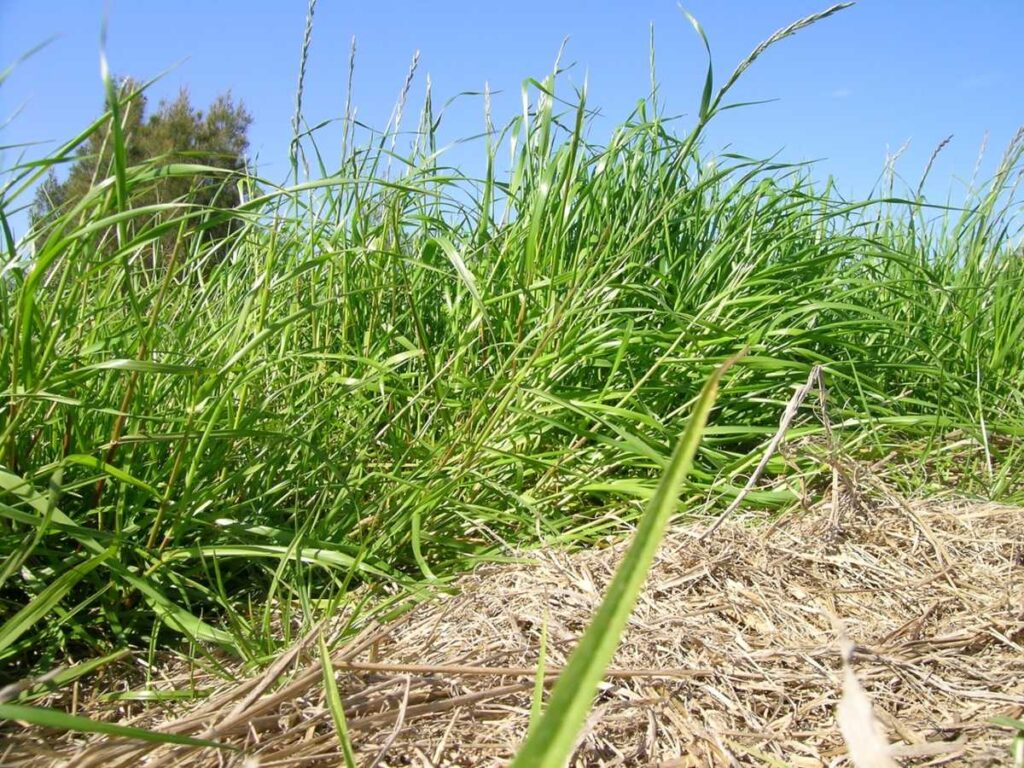
Looking to transform your lawn in South Carolina? Look no further! Perennial ryegrass is the solution you’ve been searching for. This hardy grass variety thrives in the southern climate, providing a lush green carpet all year round. Whether you want to enhance your residential property or elevate the aesthetic appeal of your commercial space, incorporating perennial ryegrass is the key to mastering a picture-perfect lawn. In this article, we’ll explore the benefits and best practices of harnessing the power of perennial ryegrass in South Carolina. So let’s dive in and discover the secrets to a vibrant, low-maintenance lawn!

Perennial Ryegrass in South Carolina
Introduction
Perennial ryegrass is a popular type of grass that thrives in various climates, including South Carolina. The state’s warm summers and mild winters create an optimal environment for this lush, cool-season grass. In this article, we will dive into the unique characteristics, benefits, and maintenance requirements of perennial ryegrass in South Carolina. Whether you are a homeowner or a professional landscaper, understanding the ins and outs of this grass will help you create a vibrant and beautiful lawn.
The Characteristics of Perennial Ryegrass
1. Appearance
Perennial ryegrass is known for its vibrant green color and fine-textured blades. It forms a dense and lush turf that adds beauty to any landscape. Additionally, it has a medium blade width, which gives it a soft and carpet-like feel.
2. Growth Habits
This grass has a bunch-type growth habit, meaning it grows in clusters rather than spreading through rhizomes or stolons. It has a shallow root system compared to other grass types, which makes it more susceptible to drought conditions. However, its ability to establish quickly from seed allows for rapid recovery after stressful periods.
3. Adaptability
One of the primary reasons perennial ryegrass is a popular choice in South Carolina is its adaptability. It can tolerate a wide range of soil types, including sandy, loamy, and clay soils. It also performs well in areas with full sun or partial shade, making it versatile for different landscapes.
Benefits of Perennial Ryegrass in South Carolina
1. Quick Establishment
Perennial ryegrass germinates rapidly, often within 7-10 days, making it an ideal choice for overseeding bare spots or renovating a lawn. Its fast establishment helps prevent soil erosion and reduces weed invasion.
2. Winter Color
In South Carolina, where warm-season grasses such as Bermuda grass go dormant during the winter, perennial ryegrass provides a green and vibrant lawn all year round. Its ability to retain color during colder months adds aesthetics to the landscape.
3. Drought Tolerance
While perennial ryegrass requires regular watering to maintain its lush appearance, it has decent drought tolerance compared to other cool-season grasses. However, it is essential to monitor soil moisture levels during dry periods and provide supplemental irrigation as needed.
4. Wear and Tear Resistance
Perennial ryegrass has excellent wear and tear resistance, making it suitable for areas with heavy foot traffic. It can withstand children playing, pets running, and social gatherings without significant damage.
5. Nutrient Requirements
Proper nutrition is crucial for maintaining a healthy lawn. Perennial ryegrass benefits from regular fertilization to ensure its vigorous growth and color. Conducting a soil test can help determine the specific nutrient needs of your lawn, allowing you to customize a fertilization plan accordingly.
Maintenance Tips for Perennial Ryegrass
1. Mowing
Maintain a mowing height of 2.5 to 3.5 inches for perennial ryegrass. Regular mowing helps promote a denser turf and reduces weed competition. Be sure to use a sharp mower blade to prevent tearing or shredding the grass blades.
2. Watering
Water the lawn deeply and infrequently to encourage deep root development. Aim for 1 inch of water per week, including rainfall. Watering in the early morning allows the grass to dry before evening, reducing the risk of fungal diseases.
3. Weed Control
While perennial ryegrass forms a dense turf that naturally suppresses weeds, occasional weed invasions may occur. Identify and remove weeds promptly to prevent them from spreading. Pre-emergent herbicides can also be applied in early spring and fall to minimize weed growth.
4. Pest and Disease Management
Keep an eye out for common pests and diseases that may affect perennial ryegrass, such as brown patch and armyworms. Regularly inspect the lawn for any signs of damage or discoloration. Consult with a local extension office or a lawn care professional for appropriate pest and disease management strategies.
5. Overseeding
To maintain a consistent color and thickness, overseed your perennial ryegrass lawn annually in the fall. This practice helps fill in any thin or bare areas and promotes a lush lawn throughout the year.
Perennial ryegrass is an excellent choice for South Carolina lawns, providing a vibrant and year-round green aesthetic. Its adaptability, quick establishment, and durability make it a popular option among homeowners and landscapers alike. By understanding the characteristics and maintenance requirements of this grass, you can create and maintain a beautiful lawn that enhances the overall appeal of your property.
Remember, proper lawn care practices, such as regular mowing, appropriate watering, and weed control, are essential for the long-term success of perennial ryegrass. By implementing these tips and staying attentive to your lawn’s needs, you can enjoy a lush and healthy perennial ryegrass lawn in South Carolina.
Can Perennial Ryegrass Handle The HEAT?
Frequently Asked Questions
What is perennial ryegrass and why is it popular in South Carolina?
Perennial ryegrass is a cool-season grass species known for its dense growth habit and vibrant green color. It is popular in South Carolina because it can withstand the region’s transition zone climate, which experiences both warm summers and cold winters. Moreover, it establishes quickly, provides a lush lawn all year round, and is resistant to common lawn diseases.
When is the best time to plant perennial ryegrass in South Carolina?
The optimal time to plant perennial ryegrass in South Carolina is in early fall, typically in September. This timing allows the grass to establish itself before the onset of winter and provides sufficient time for its roots to develop. Planting in early fall ensures that the ryegrass is established and ready to thrive during the cooler months, providing a green lawn throughout winter.
How should I prepare my lawn for planting perennial ryegrass in South Carolina?
To prepare your lawn for perennial ryegrass planting, start by removing any existing grass or weeds by using a manual sod cutter or herbicide. Next, loosen the soil with a tiller or garden rake and remove any debris. It is essential to ensure good seed-to-soil contact, so lightly rake the soil to create a smooth surface. Lastly, apply a starter fertilizer to provide the necessary nutrients for the germinating ryegrass seeds.
How often should I water my perennial ryegrass in South Carolina?
Proper watering is crucial for the success of perennial ryegrass in South Carolina. It is recommended to water the grass deeply but infrequently, providing approximately 1 inch of water per week. This helps the roots grow deeper, making the grass more drought-tolerant. To determine the appropriate watering frequency, monitor the soil moisture and adjust accordingly, considering weather conditions and rainfall.
Should I mow my perennial ryegrass in South Carolina?
Yes, regular mowing is essential for maintaining a healthy perennial ryegrass lawn in South Carolina. Set your mower blades to a height of around 2 to 3 inches and avoid cutting more than one-third of the grass blade at a time. This promotes a dense turf and helps prevent weed invasions. Remember to keep your mower blades sharp to ensure clean cuts and reduce stress on the grass.
Is perennial ryegrass in South Carolina prone to diseases?
Perennial ryegrass in South Carolina is generally resistant to many common lawn diseases. However, it can still be susceptible to issues such as gray leaf spot and brown patch. Proper cultural practices, including regular mowing, proper watering, and appropriate fertilization, can help minimize the risk of disease outbreaks. Additionally, selecting disease-resistant ryegrass varieties and ensuring good soil drainage can further contribute to maintaining a healthy lawn.
Final Thoughts
Perennial ryegrass in South Carolina is a versatile and resilient grass variety. Its adaptability to varying soil types, diseases, and temperatures makes it an excellent choice for homeowners and professionals alike. With its quick establishment and ability to provide a lush green lawn year-round, perennial ryegrass remains an attractive option for those seeking a durable and low-maintenance turfgrass solution. Whether for residential lawns, sports fields, or golf courses, perennial ryegrass continues to prove its worth in South Carolina’s diverse landscapes, offering beauty and functionality to outdoor spaces.