Image source: Wikimedia Commons / Wikimedia Commons contributor (CC BY)
You've just walked out to your morning pepper patch and something's off. Instead of deep green foliage, your pepper plant is showing white or bleached-out leaves. It's alarming, and you've got no idea what hit it.
The cause could be anything from a mite infestation to a nutrient problem to simple sunburn. Getting the diagnosis right matters, because the fix for one cause can make another cause worse. Optimal soil pH for peppers sits between 6.0 and 6.8, so even a simple soil chemistry issue can throw things off fast if you don't know what to look for.
Quick Answer
Pepper leaves turning white is usually caused by sunscald, powdery mildew, spider mites, broad mites, nutrient deficiencies (iron or magnesium), or herbicide drift. Check the pattern and location of the whitening first. Powdery mildew shows a powdery coating.
Mites cause stippled or bronzed tissue. Sunscald bleaches sun-exposed leaves. Nutrient issues start on either new or old growth depending on the mineral involved.
The 6 Most Common Causes (and How to Tell Them Apart)
Before you grab a spray bottle or start amending your soil, you need to identify which problem you're dealing with. Each cause has a distinct fingerprint once you know what to look for. Misdiagnosis wastes time and money, and it can stress the plant more than the original issue.
Here's a breakdown of the six most likely culprits and their key identifiers:
| Cause | Where It Appears | Visual Pattern | Texture/Feel |
|---|---|---|---|
| Sunscald | Top canopy, sun-facing side | Large bleached, papery white patches | Dry, thin, crispy |
| Powdery mildew | Any leaf surface, often starts on older leaves | White powdery coating that wipes off | Fuzzy or dusty film |
| Spider mites | Undersides of leaves, spreads upward | Tiny yellow-white stippled dots, fine webbing | Rough, sandpaper-like |
| Broad mites | New growth, leaf undersides | Leaves curl, twist, turn bronze-white | Glassy, distorted |
| Iron deficiency | Newest leaves first | Veins stay green, tissue between turns white | Normal texture |
| Herbicide drift | Random, often one side of plant | Uniform bleaching, cupping, twisting | Thin, distorted |
The single most useful thing you can do right now is grab a hand lens or your phone's macro camera and look at the underside of an affected leaf. That one step rules out or confirms half these causes immediately.
Sunscald: When Too Much Sun Burns Your Pepper Leaves
Sunscald is the most common and most preventable cause of white pepper leaves. It happens when a plant that's been growing in shade or partial sun suddenly gets hit with intense, direct UV exposure. Think of it like a sunburn on human skin, except the damaged tissue doesn't heal.
It just dries out and turns white or papery tan.
This typically shows up within 24 to 72 hours after a sudden weather shift, a heat wave, or when you move seedlings outdoors without hardening them off properly. The damage concentrates on the upper canopy. You'll see large, irregular bleached patches that feel dry and crispy to the touch.
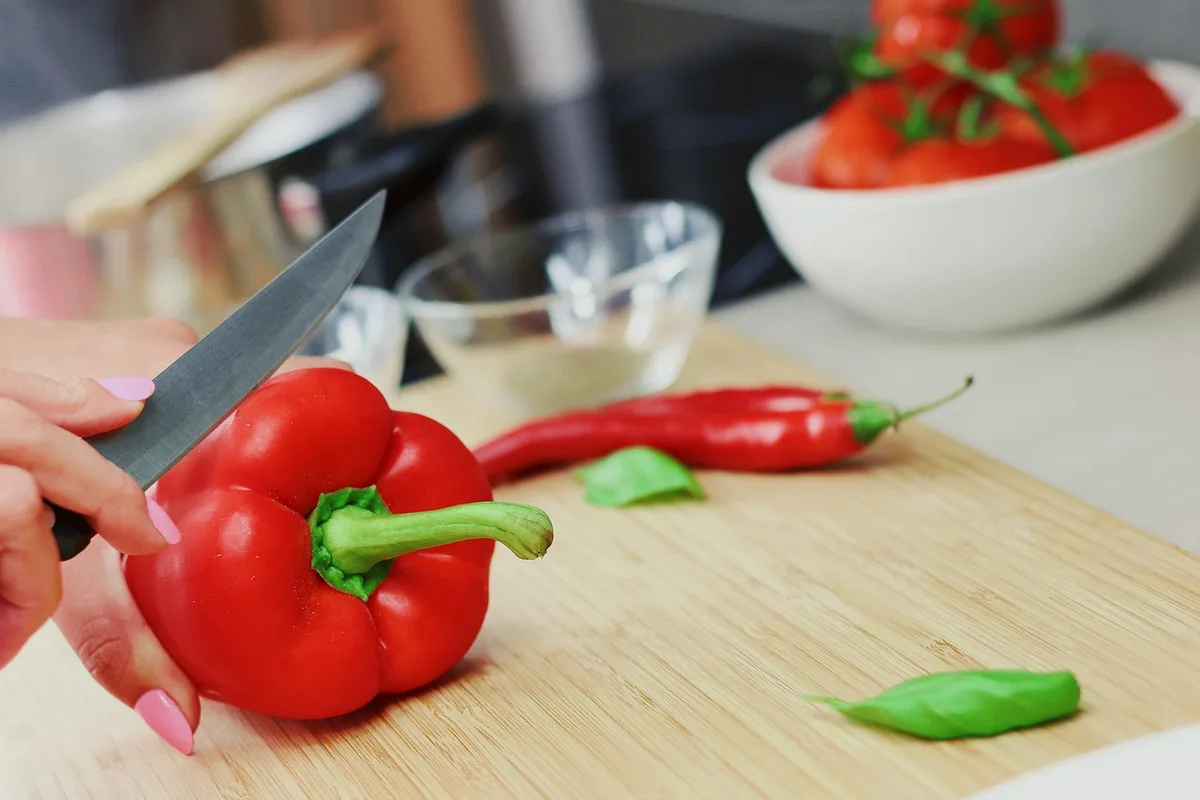
Image source: Pixabay / JESHOOTS-com (Pixabay Content License)
If the damage is limited to a few outer leaves and the rest of the plant looks healthy, your pepper will likely push through. New growth should come in green as long as you prevent further exposure. Shade cloth rated at 30 to 50 percent is the fastest fix for plants in full-sun locations, especially in hot-arid climates where UV intensity spikes in summer.
The real prevention play is hardening off. When moving seedlings from indoors to the garden, increase their sun exposure gradually over 7 to 14 days. Start with one to two hours of morning light and add an hour each day.
Plants that go straight from a windowsill to eight hours of July sun will scald every time.
Powdery Mildew: The White Coating That Spreads Fast
Powdery mildew is a fungal issue caused by several species in the Erysiphales order, with Oidium being the most common on peppers. It shows up as a white or grayish powdery coating on leaf surfaces. You can rub it off with your finger.
Unlike sunscald, it doesn't feel dry and papery. It feels dusty or fuzzy.
Image source: Pixabay / mkupiec7 (Pixabay Content License)
This fungus thrives between 60 and 80°F with high humidity and poor air circulation. Greenhouse growers and container gardeners see it most often. It typically starts on older, lower leaves and works its way up.
Left unchecked, it reduces photosynthesis significantly and can cut fruit yield by a noticeable margin.
Potassium bicarbonate sprays at one tablespoon per gallon work well and are approved for organic use. Sulfur-based fungicides are another option, but avoid applying them above 90°F since they can burn foliage. Improving air circulation by spacing plants and pruning interior branches goes a long way toward prevention.
If you're growing pepper varieties for edible leaves, do not eat foliage treated with synthetic fungicides. Check the product label for the pre-harvest interval before consuming any treated leaves.
Spider Mites and Broad Mites: Tiny Pests, Big Damage
Spider mites (Tetranychus urticae) and broad mites (Polyphagotarsonemus latus) are tricky because they're nearly invisible to the naked eye. You'll usually see the damage long before you see the pest.
Spider mites feed by piercing individual leaf cells and sucking out the contents. This creates a characteristic stippling pattern. At temperatures above 80°F, spider mites can complete a generation in as few as five days.
Image source: Pixabay / JESHOOTS-com (Pixabay Content License)
Broad mites are even smaller at about 0.2 mm, and you'll need a hand lens to spot them. Their damage looks different from spider mites. New growth becomes twisted and curled, taking on a bronze or glassy sheen that eventually turns white.
For both mites, neem oil and insecticidal soap are the first-line treatments. Spray the undersides of leaves thoroughly every three to four days for two weeks. Avoid broad-spectrum insecticides, which kill the predatory mites that naturally keep populations in check.
Nutrient Deficiencies: When Your Plant Is Starving
When pepper leaves turn white from a nutrient problem, the pattern tells you which mineral is missing.
Iron chlorosis appears on the newest leaves first. The tissue between the veins turns yellow and then white, while the veins themselves stay green. A foliar spray of chelated iron gives the fastest recovery, usually within one week.
Magnesium deficiency hits the oldest leaves first. The tissue between the veins turns yellow, then progresses to white, typically starting at the leaf margins and working inward. Dissolve one tablespoon of Epsom salt per gallon of water and apply as a foliar spray or soil drench every two weeks.
Herbicide Drift and Chemical Damage: The Overlooked Cause
If your pepper leaves turned white seemingly overnight and the damage concentrates on one side of the plant, herbicide drift is a possibility. Products containing glyphosate or 2,4-D can travel on a light breeze from a neighboring lawn or farm field.
The symptoms are distinctive. Leaves cup, twist, or curl in odd directions. There's no powdery coating or webbing, just strange, systemic distortion.
There is no cure for herbicide damage. If the exposure was mild, the plant may produce a reduced crop. If it was heavy, the plant won't recover.
Do not eat fruit or leaves from herbicide-drifted plants.
How to Diagnose the Problem Step by Step
Grab an affected leaf and work through these checks.
Look at the underside with a hand lens. Fine webbing means spider mites. Tiny oval specks mean broad mites.
Touch the white area. A powdery film that rubs off is powdery mildew. Dry, papery tissue is sunscald. Glossy, distorted leaves suggest broad mites or herbicide.
Check which leaves are affected. Newest leaves with green veins and white tissue between mean iron deficiency. Oldest leaves with interveinal whitening from the margins point to magnesium.
Note the pattern across the plant. One-sided damage suggests herbicide drift. Uniform bleaching is more likely light or nutritional.
Review what changed in the last seven days. Did you transplant seedlings, experience a heat spike, or notice nearby spraying?
What to Do Once You Know the Cause
For sunscald, remove severely damaged leaves. Install shade cloth and water deeply but less frequently. For powdery mildew, spray potassium bicarbonate every 5 to 7 days and prune for airflow.
For mites, apply neem oil to leaf undersides every three to four days for two weeks. For iron deficiency, apply chelated iron foliar spray and lower soil pH with sulfur. For magnesium deficiency, apply Epsom salt solution every two weeks.
Mistakes That Make White Pepper Leaves Worse
Applying fungicide for a mite problem does nothing. Overwatering adds root stress on top of the original issue. Broad-spectrum insecticides kill predatory mites and make infestations worse.
Pruning more than 30 percent of the canopy at once slows recovery. Guessing with fertilizer instead of testing soil pH can create new nutrient imbalances.
When to Plant vs. When to Treat
Treat the plant if damage is under 40 percent of the foliage and you've identified the cause. Pull the plant if herbicide damage has distorted everything with no healthy new growth after three weeks. The key factor is whether the main stem tip is still green and growing.
How to Prevent White Leaves in the First Place
Harden off seedlings over 7 to 14 days. Test soil pH annually and keep it between 6.0 and 6.8. Use shade cloth during heat waves.
Space plants for airflow. Inspect leaf undersides weekly. Plant a buffer row of tall crops near farmland as a drift barrier.
Frequently Asked Questions
Can you eat pepper leaves that are turning white?
If the whitening is from a nutrient deficiency or sunscald, the leaves are safe. If the cause is herbicide drift or the plant has been treated with synthetic chemicals, do not consume the leaves.
Will white pepper leaves turn green again?
Damaged tissue from sunscald, mites, or herbicide will not regain its color. But the plant can still recover by producing new green leaves. Nutrient deficiency symptoms can reverse within one to two weeks with proper treatment.
What is the fastest way to fix iron chlorosis in peppers?
A foliar spray of chelated iron gives results within one week. Pair it with soil pH correction for lasting improvement.
Are some pepper varieties more prone to powdery mildew?
Yes. Sweet bell peppers are more susceptible than hot varieties like habanero. Ornamental variegated types should not be confused with disease.
How long does it take for a stressed pepper plant to recover?
New green growth typically appears within 10 to 14 days once the problem is corrected. Full fruiting recovery takes three to six weeks depending on severity.