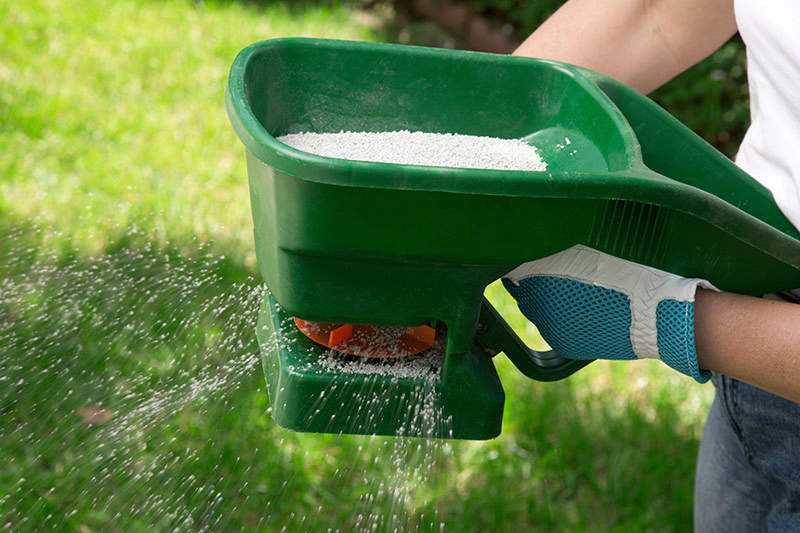
If you’re looking to achieve a lush, green lawn, the right fertilizer can make all the difference. A balanced fertilizer with a ratio like 20-5-10 is often ideal for grass, providing essential nutrients like nitrogen, phosphorus, and potassium. Nitrogen promotes healthy growth and vibrant color, phosphorus supports root development, and potassium enhances overall resilience. Choosing a slow-release fertilizer can also offer long-lasting benefits by feeding your grass gradually over time. Understanding your grass type and soil conditions is key to selecting the right product, so don’t hesitate to do a little research or get a soil test if you’re unsure. With the right approach, your lawn can thrive and become the envy of the neighborhood!

“`html
What Kind of Fertilizer for Grass
Choosing the right fertilizer for your grass is essential for maintaining a lush, green lawn. Fertilizers provide nutrients that enhance growth, color, and resilience against pests or diseases. Understanding the types of fertilizers available can make it easier to decide the best option for your lawn’s specific needs.
Understanding Grass Nutritional Needs
Before diving into the types of fertilizers, it’s crucial to know what grass needs to thrive. Grass primarily requires three key nutrients: nitrogen (N), phosphorus (P), and potassium (K).
- Nitrogen promotes leaf growth and gives grass its green color.
- Phosphorus helps with root development and overall plant health.
- Potassium aids in disease resistance and drought tolerance.
These nutrients are commonly represented in fertilizer packaging by three numbers (e.g., 10-10-10), indicating the percentage of each nutrient.
Types of Fertilizers
There are several types of fertilizers available that cater to different growth needs and preferences.
1. Synthetic Fertilizers
Synthetic fertilizers are chemically manufactured and often provide quick results. They are available in various formulations, including:
- Granular Fertilizers: Slow-release options that provide nutrients over time.
- Liquid Fertilizers: Fast-acting solutions typically used for immediate nutrition.
Synthetic fertilizers can be effective but may lead to nutrient runoff, which can harm the environment.
2. Organic Fertilizers
Organic fertilizers are derived from natural sources. They are often safer for the environment and improve soil health over time. Common organic options include:
- Compost: Enriches soil and provides a slow release of nutrients.
- Manure: Offers a great nutrient profile and benefits soil structure.
- Bone Meal: High in phosphorus, it promotes strong root growth.
Organic fertilizers may take longer to show effects, but they build soil health for the long term.
3. Slow-Release vs. Fast-Release Fertilizers
Choosing between slow-release and fast-release fertilizers can affect your lawn’s health.
- Slow-Release Fertilizers: Gradually release nutrients, providing a steady supply over several weeks to months. This reduces the risk of burns and nutrient runoff.
- Fast-Release Fertilizers: Deliver nutrients quickly, ideal for immediate greening but can cause stress if over-applied.
Understanding which type suits your lawn’s needs is vital for achieving the best results.
When to Fertilize Your Grass
Timing your fertilizer application is equally important as choosing the right type. Generally, it is best to fertilize in the spring and fall when grass is actively growing.
1. Spring Fertilization
In spring, fertilizing encourages strong growth after dormancy. It’s advisable to:
- Apply fertilizer when grass begins to grow, usually around April or May.
- Use a nitrogen-rich fertilizer to promote green, leafy growth.
2. Fall Fertilization
Fall is a critical time for lawn care. Proper fertilization in the fall helps:
- Strengthen roots before winter dormancy, enhancing the lawn’s health for spring.
- Use a balanced fertilizer that includes potassium, which helps with cold resistance.
Applying fertilizer at the right times ensures your grass remains thick and healthy throughout the seasons.
How to Apply Fertilizer
Proper application techniques can make a significant difference in your lawn’s health.
1. Measuring Your Lawn
Before applying fertilizer, measure your lawn area to know how much fertilizer you need.
2. Choosing the Right Equipment
Depending on the fertilizer type, you might need:
- A broadcast spreader for granular fertilizers.
- A sprayer for liquid fertilizers.
Using the right equipment helps distribute the fertilizer evenly across your lawn.
3. Application Techniques
When applying fertilizer, consider these tips:
- Apply on a dry day to avoid nutrient runoff.
- Spread fertilizer evenly and avoid overlapping to prevent burns.
- Water your lawn after applying to help activate the nutrients.
Following these steps can lead to healthier grass and better results.
Common Mistakes to Avoid
Many homeowners make mistakes when fertilizing their grass. Here are some common pitfalls to avoid:
- Over-fertilizing can lead to burning grass and nutrient runoff.
- Under-fertilizing may result in an unhealthy, patchy lawn.
- Not reading fertilizer labels can lead to improper nutrient application.
Being aware of these mistakes can save you time and money while ensuring a greener lawn.
Testing Your Soil
Before applying any fertilizer, it is wise to test the soil.
1. Why Test Your Soil?
Soil testing helps you understand its pH and nutrient levels. This information allows you to choose the appropriate fertilizer.
2. How to Test Your Soil
You can test your soil through:
- DIY kits available at garden centers.
- Sending samples to local agricultural extension services.
Testing your soil gives you a better idea of how to nourish your grass.
Seasonal Considerations
Weather and climate greatly influence fertilizer application.
1. Fertilizing in Hot Climates
In hotter areas, it’s best to avoid fertilizing during heat waves. Instead, consider these strategies:
- Fertilize in early morning or late afternoon when temperatures are cooler.
- Choose drought-resistant grass varieties.
2. Fertilizing in Cool Climates
In cooler climates, you should follow similar guidelines. Key points include:
- Fertilize just before the grass enters dormancy.
- Use fertilizers high in potassium to help grass withstand cold.
Adjusting your approach based on your local climate ensures your grass stays healthy.
Environmental Impact
It’s essential to consider how your choice of fertilizer can affect the environment.
1. Nutrient Runoff
Excess fertilizer can wash off into waterways, leading to problems like algae blooms. Reduce the risk by:
- Applying fertilizers as recommended.
- Using buffer strips to catch any runoff.
2. Choosing Eco-Friendly Options
Opting for organic fertilizers can minimize environmental impact. They enhance soil health, promote biodiversity, and reduce chemical runoff.
By being mindful of these practices, you can help ensure a healthier planet while caring for your grass.
Choosing the right fertilizer for your grass involves understanding its nutritional needs, the types of fertilizers available, and when and how to apply them. By avoiding common mistakes, testing your soil, and considering the environmental impact, you can enjoy a beautiful, healthy lawn. With the right knowledge and care, your grass will thrive!
“`
What is the BEST LAWN Fertilizer – STOP Wasting Money!
Frequently Asked Questions
What nutrients should I look for in grass fertilizer?
When selecting fertilizer for grass, focus on three key nutrients: nitrogen (N), phosphorus (P), and potassium (K). Nitrogen promotes lush, green growth and is essential for leaf development. Phosphorus encourages strong root growth and improves overall plant health, while potassium helps with disease resistance and drought tolerance. Look for a balanced fertilizer that provides these nutrients in suitable ratios for your lawn type.
Is organic fertilizer better for grass than synthetic?
Organic fertilizers are often considered better for grass because they improve soil health and provide a slow, steady release of nutrients. They enhance microbial activity in the soil, which can lead to healthier grass over time. However, synthetic fertilizers can offer quick results and can be more concentrated. The choice between organic and synthetic depends on your lawn’s specific needs and your gardening philosophy.
How often should I apply fertilizer to my lawn?
The frequency of fertilization depends on the type of grass and the fertilizer used. Generally, you should fertilize cool-season grasses in early spring and fall, while warm-season grasses benefit from fertilization in late spring and summer. Applying fertilizer 2 to 4 times a year works well for most lawns. Always follow the specific guidelines on your fertilizer product for best results.
Can I fertilize my grass in the winter?
Fertilizing grass in winter is typically not recommended, especially for cool-season grasses. Applying fertilizer during dormancy can lead to nutrient runoff and waste. However, if you have warm-season grasses, you can apply a light fertilizer in late winter to promote early growth as temperatures rise. It’s essential to assess your grass type and local climate conditions before fertilizing in winter.
What is the best method for applying fertilizer to my lawn?
The best method for applying fertilizer includes using a broadcast spreader for even distribution. Walk at a steady pace to avoid over-fertilizing certain areas. For smaller patches, you can use a hand-held spreader or apply fertilizer by hand. Always water the lawn immediately after applying fertilizer to help the nutrients penetrate the soil and reduce the risk of burning the grass.
Final Thoughts
Choosing the right fertilizer for grass is essential for a lush, green lawn. Organic options, like compost or well-rotted manure, improve soil health and provide nutrients over time. Synthetic fertilizers deliver nutrients quickly, making them ideal for immediate results.
Understanding the nutrient needs of your grass type guides your choice. Applying balanced fertilizers, rich in nitrogen, phosphorus, and potassium, supports growth and resilience. Ultimately, knowing ‘what kind of fertilizer for grass’ suits your specific situation ensures a thriving lawn.