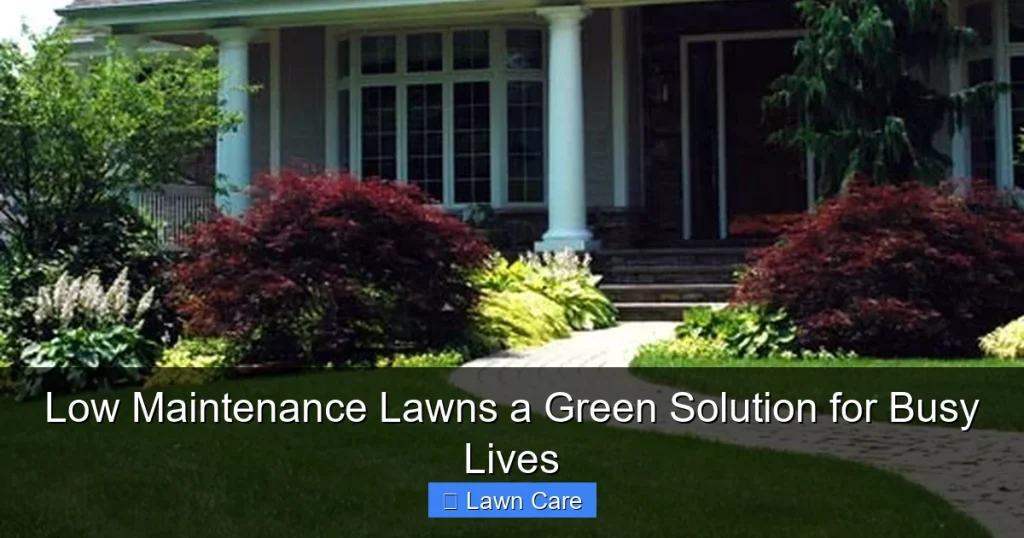
Embrace a beautiful, green yard without the constant upkeep. Low maintenance lawns offer a practical and sustainable solution for busy lives. By choosing the right grass types, smart landscaping, and efficient care practices, you can enjoy a vibrant outdoor space with significantly less time and effort.
Living a busy life often means sacrificing some of the things you love, and for many homeowners, their lawn is one of those casualties. The weekend warrior often spends precious hours battling weeds, mowing, and watering, only for the grass to seem to grow faster than they can keep up. But what if there was a way to have a beautiful, green outdoor space without all the demanding work? Enter the low maintenance lawn – a fantastic green solution designed for the realities of modern, busy lives.
Imagine stepping out onto a lush, inviting lawn without the nagging thought of an endless to-do list. This isn’t a pipe dream; it’s entirely achievable with the right approach. Low maintenance lawns are all about working smarter, not harder. They prioritize smart choices in grass selection, smart landscaping techniques, and efficient care strategies that give you back your weekends. Let’s dive into how you can transform your yard into a haven of green beauty that practically takes care of itself.
- Smart Grass Selection: Opt for drought-tolerant, slow-growing grass varieties like fescues or Zoysia that require less mowing and watering.
- Reduce Mowing Frequency: Letting grass grow a little taller naturally discourages weed growth and retains moisture, cutting down on mowing.
- Embrace Natural Solutions: Utilize mulch, ground cover plants, and native species to suppress weeds and reduce bare soil.
- Efficient Watering: Water deeply and less frequently, encouraging strong root growth and reducing the need for constant irrigation.
- Strategic Fertilization: Choose slow-release fertilizers and a schedule that suits your grass type, avoiding excessive growth spurts.
- Minimalist Design: Incorporate hardscaping, raised beds, or ornamental grasses that require little to no lawn care.
Quick Answers to Common Questions
What are the main benefits of a low maintenance lawn for busy people?
Low maintenance lawns save you significant time and effort, allowing you to enjoy your outdoor space without the constant burden of demanding upkeep. They also often require less water and fewer chemicals, making them more environmentally friendly.
How does choosing the right grass type contribute to a low maintenance lawn?
Certain grass varieties, like fescues and Zoysia, are naturally more drought-tolerant, disease-resistant, and grow slower, meaning they require less frequent watering, mowing, and pest control compared to more demanding types.
Can I still have a lush green lawn with a low maintenance approach?
Yes, absolutely. The goal is not to have a barren yard, but a healthy, attractive lawn that achieves its beauty through smart choices and efficient practices, rather than constant intervention.
What is “grasscycling” and why is it important for low maintenance lawns?
Grasscycling means leaving grass clippings on the lawn after mowing. This returns valuable nutrients to the soil, acting as a natural fertilizer, which reduces the need for artificial feeding and helps maintain a healthy lawn.
How much less water does a low maintenance lawn typically need?
While exact figures vary, low maintenance lawns, especially those with drought-tolerant grass varieties and efficient watering techniques, can require significantly less water – often between 30-50% less than traditional, high-maintenance lawns.
📑 Table of Contents
Choosing the Right Grass: The Foundation of a Low Maintenance Lawn
The single most crucial step towards a low maintenance lawn is selecting the right grass. This isn’t a one-size-fits-all decision; it depends heavily on your climate and soil conditions. However, some grass types are inherently more forgiving and require less intervention.
Drought-Tolerant and Slow-Growing Varieties
When you’re aiming for less mowing and watering, drought-tolerant grasses are your best friend. These varieties have deeper root systems that allow them to seek out moisture during dry spells, reducing your need to constantly water. Slow-growing grasses, as their name suggests, simply don’t need as frequent mowing. This saves you time, fuel for your mower, and reduces the stress on the grass itself.
* Tall Fescue: This is a powerhouse for low maintenance lawns. It’s incredibly hardy, drought-tolerant, and disease-resistant. Tall fescue has deep roots, meaning it can go longer without water. It also has a coarser texture than some other grasses, which can deter pests. Plus, it stays green longer into the fall. You can explore the best perennial grass varieties for low maintenance lawns, and you’ll often find tall fescue at the top of the list.
* Zoysia Grass: Native to Asia, Zoysia grass is known for its incredible heat and drought tolerance. It forms a dense sod that can effectively choke out weeds. While it can be a bit slower to establish, once it’s mature, it requires very little attention. It turns brown in the winter but greens up beautifully in the spring. For hot, dry climates, Zoysia grass is an excellent choice.
* Fine Fescues: These include varieties like creeping red fescue, chewings fescue, and hard fescue. They are well-suited for shady areas and tolerate poor soil conditions. Fine fescues are also very drought-tolerant once established and require less nitrogen than many other grass types. They have a finer texture, giving a softer appearance to the lawn.
Consider Blends and Mixtures
Often, a blend of different grass types can offer the best of all worlds. For example, mixing tall fescue with some fine fescues can provide a lawn that’s resilient in varying conditions. The key is to choose varieties that thrive in your specific region and require similar care levels. Understanding which grasses are best for your area is a critical first step.
Smart Mowing Strategies: Less is More
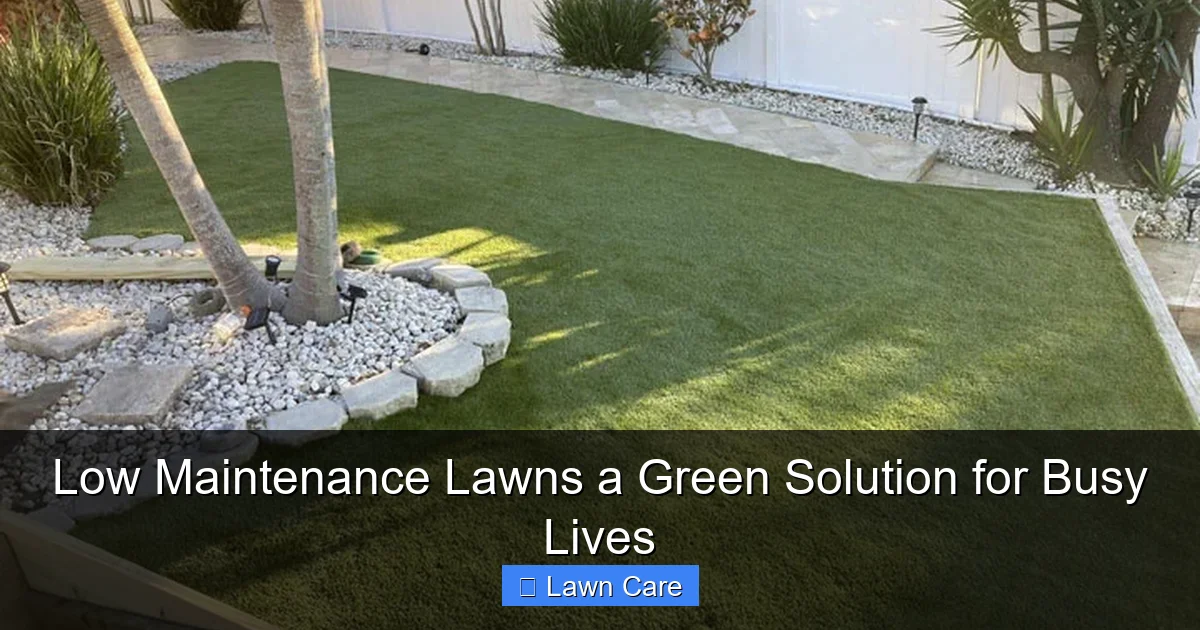
Visual guide about Low Maintenance Lawns a Green Solution for Busy Lives
Image source: homeimprovementreferral.com
The sheer act of mowing can be a significant time commitment. Fortunately, there are ways to optimize your mowing routine to reduce its frequency and improve the health of your lawn.
Mow Higher
It might sound counterintuitive, but letting your grass grow a little taller is a key strategy for a low maintenance lawn. Taller grass blades shade the soil, which helps retain moisture and keeps the ground cooler. This also discourages weed seeds from germinating because they won’t receive the sunlight they need. Aim to mow at the higher end of the recommended height for your grass type. This means less frequent mowing, as the grass takes longer to reach that height. If you’re new to adjusting your mower height, remember to gradually increase it over a few mowing sessions to avoid shocking the grass.
The One-Third Rule
A golden rule of mowing is never to remove more than one-third of the grass blade in a single mowing. Cutting too much at once stresses the grass, making it more susceptible to disease and drought. By adhering to this rule, you’ll naturally find yourself mowing less often, as the grass has more time to grow between mowings. This is especially important if you’re using taller mowing heights.
Mulching Mowing
Leave the clippings on the lawn! This practice, known as mulching mowing or grasscycling, returns valuable nutrients to the soil. These clippings decompose, acting as a natural fertilizer. This can reduce your need for supplemental fertilization and adds organic matter, improving soil health. Ensure your mower is equipped for mulching and avoid leaving large clumps of grass, which can smother the lawn.
Water Wisely: Efficient Irrigation Techniques
Water is essential, but overwatering can be just as detrimental as underwatering, and constant watering is time-consuming. Smart watering means giving your lawn the hydration it needs without wasting water or your precious time.
Deep and Infrequent Watering
The goal is to encourage deep root growth. When you water deeply, the moisture penetrates far into the soil, prompting the grass roots to grow downwards in search of it. This makes your lawn more resilient during dry periods. Infrequent watering means allowing the soil surface to dry out somewhat between waterings. This encourages the roots to seek deeper moisture. For most lawns, watering once or twice a week, depending on rainfall and temperature, is sufficient. If you have a sprinkler system, learn how to set a sprinkler timer for lawn watering effectively to achieve this balance.
Timing is Everything
Water your lawn in the early morning, typically between 4 AM and 10 AM. This is the coolest part of the day, minimizing water loss due to evaporation. Watering in the evening can leave the grass blades wet overnight, increasing the risk of fungal diseases.
Observe Your Lawn
Your lawn will often tell you when it needs water. Look for signs like a dull, bluish-gray color, or footprints that remain visible in the grass long after you’ve walked on it. These indicate that the grass blades are losing their flexibility due to lack of moisture.
Weed and Pest Control: Prevention is Key
A healthy, dense lawn is the best defense against weeds and pests. When your grass is thriving, it naturally crowds out weeds and is more resistant to insect damage.
Healthy Soil, Healthy Lawn
Good soil health is fundamental. Improving soil quality for a healthier lawn means ensuring it has adequate drainage, nutrients, and aeration. If you have clay soil, understanding what is the best drainage solution for clay soil lawns is vital, as poor drainage can lead to root rot and other issues that weaken your lawn. Healthy soil supports strong root systems, which are the backbone of a resilient lawn.
Natural Weed Suppression
Besides mowing higher and maintaining a dense turf, several natural methods can help suppress weeds.
* Mulching: As mentioned, mulching mowing returns nutrients. Additionally, a layer of mulch around garden beds and trees can prevent weeds from taking root.
* Ground Cover Plants: In areas where grass struggles or for decorative effect, consider planting low-maintenance ground cover plants. These can outcompete weeds and require minimal care.
* Native Plants: Incorporating native plants into your landscape design can also reduce the amount of lawn space you need to maintain. Native plants are adapted to local conditions and require less watering and care.
Dealing with Pests
For most low maintenance lawns, a healthy grass variety like tall fescue or Zoysia will naturally be more resistant to common pests. If you do encounter pest issues, identify the problem accurately. Often, encouraging beneficial insects in your yard can help keep pest populations in check naturally. Integrated Pest Management (IPM) strategies focus on prevention and using the least toxic methods first.
Landscaping for Low Maintenance: Design Choices Matter
Your landscape design plays a huge role in how much work your yard requires. Smart design can significantly reduce the amount of lawn you have and the upkeep it demands.
Reduce Lawn Size
Consider reducing the overall size of your lawn. This can be done by expanding garden beds, adding patios, decks, or other hardscaping features. Even small changes can make a big difference in the amount of grass you need to mow and care for.
Embrace Native Plants and Ground Covers
As mentioned before, native plants are adapted to your local climate and soil conditions. They require less watering, fertilization, and are generally more resistant to pests and diseases. These plants can also add beautiful color and texture to your landscape. Consider using ground covers in areas that are difficult to mow or prone to erosion.
Ornamental Grasses and Hardscaping
Ornamental grasses are a fantastic low maintenance option. They add visual interest and texture, requiring only annual pruning. Hardscaping elements like gravel paths, stepping stones, mulched areas, or patios eliminate the need for any lawn care in those zones. These elements also add structure and visual appeal to your outdoor space.
Creating a Realistic Lawn Care Schedule
Even a low maintenance lawn requires some attention. The key is to create a schedule that is manageable and focused on essential tasks. Instead of a demanding daily or weekly grind, think about seasonal and periodic care. You can learn how to create a lawn care schedule for year-round maintenance to ensure you’re covering the essentials without overcommitting.
Seasonal Focus
* **Spring:** Aeration (if needed), early fertilization, and addressing any lingering winter damage.
* **Summer:** Monitoring for water needs, spot weeding, and occasional mowing.
* **Fall:** Leaf cleanup, final mowing at a slightly lower height, and fall fertilization.
* **Winter:** Minimal to no care needed, depending on your climate.
Essential Tools
Having the right tools can make any lawn care task quicker and more efficient. A good quality mower, a reliable hose or sprinkler system, a rake, and a hand trowel are often all you need for a low maintenance lawn. Investing in tools that are easy to use and maintain is crucial. If you’re wondering what tools are needed for lawn maintenance, start with the basics.
Ultimately, a low maintenance lawn is about making informed choices from the beginning and adopting a more relaxed, efficient approach to yard care. It’s about enjoying your green space without it becoming a chore. By focusing on the right grass, smart watering, efficient mowing, and thoughtful landscaping, you can achieve a beautiful, sustainable, and stress-free lawn that complements your busy lifestyle.
Frequently Asked Questions
What are some of the best grass types for a low maintenance lawn?
For many regions, slow-growing and drought-tolerant varieties like Tall Fescue, Zoysia grass, and Fine Fescues are excellent choices. These grasses are resilient and require less frequent mowing and watering.
How often should I water a low maintenance lawn?
Water deeply and infrequently. Aim for once or twice a week, depending on weather conditions, allowing the soil to dry out slightly between waterings. This encourages strong root growth.
Does a low maintenance lawn mean I can never use fertilizer?
Not necessarily. You’ll likely need less fertilizer than a high-maintenance lawn, but a balanced, slow-release fertilizer applied according to your grass type’s needs can still be beneficial for overall health and color.
What can I do if I still get weeds in my low maintenance lawn?
A healthy, dense lawn is the best defense. Spot-treat weeds as they appear, and consider natural weed suppression methods. If problems persist, research DIY weed killers or consider professional advice.
How can landscaping choices make my lawn lower maintenance?
Reducing the overall lawn area by incorporating hardscaping, native plants, or ground cover can significantly cut down on mowing and upkeep. Focusing on plants adapted to your climate is also key.
What is the most important factor in creating a low maintenance lawn?
The most critical factor is choosing the right grass type for your climate and soil conditions. This forms the foundation for all other low maintenance strategies.