If you’re dealing with gray snow mold in your yard or garden, the quickest solution is to remove the affected areas of grass by raking them up and allowing the lawn to breathe. This will promote healthier growth and help prevent the mold from spreading. Gray snow mold is a common problem in winter, usually appearing when snow melts after a long frost. It thrives in cool, damp conditions and can lead to unsightly patches on your lawn. Fortunately, there are several ways to tackle this issue effectively. From proper lawn care techniques to preventive measures, you can restore your lawn’s health and keep gray snow mold at bay. Let’s dive into the steps you can take to get rid of it and rejuvenate your outdoor space!

How To Get Rid Of Gray Snow Mold
Gray snow mold can be a pesky issue for homeowners, especially in regions that experience long winters with significant snowfall. This fungal disease can damage your lawn, but don’t worry! There are effective ways to combat it. In this article, we will cover everything you need to know about getting rid of gray snow mold.
Understanding Gray Snow Mold
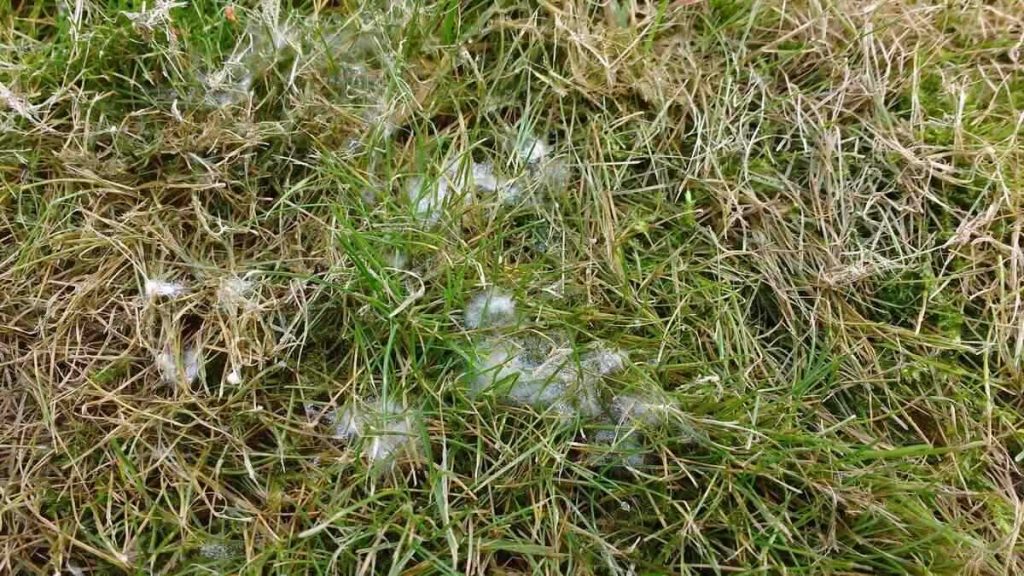
Gray snow mold, also known as Typhula blight, typically appears after the snow melts in spring. It thrives in wet, cold conditions and can spread rapidly. You’ll recognize it by its grayish, fuzzy appearance on the lawn. The presence of this mold can indicate that your lawn has been shaded or high in moisture.
– **Causes of Gray Snow Mold**:
– High moisture levels from melting snow.
– Thick layers of snow lasting late into spring.
– Poor air circulation in patches of grass.
Understanding the conditions that promote gray snow mold is essential for prevention and control.
Identifying Gray Snow Mold
Before you act, confirm that what you see is indeed gray snow mold. Here are some signs:
– **Appearance**: Look for gray, white, or light brown patches on your grass.
– **Texture**: The mold may appear fuzzy or cotton-like, indicating fungal growth.
– **Damage**: If the grass underneath seems yellow or brown, it may be affected.
If you notice these signs, it’s time to take action!
Effective Methods to Get Rid of Gray Snow Mold
Now that you know what gray snow mold is, let’s dive into effective methods to eliminate it.
1. Rake the Affected Area
Begin by raking the affected areas of your lawn. Raking helps to break up the mold and allows air to circulate better. This is a simple but effective way to help dry out the damp grass and promote healing.
– **Steps**:
– Use a stiff rake, and gently rake over the affected spots.
– Dispose of any debris in a trash bag to prevent spreading mold.
2. Aerate Your Lawn
Aerating your lawn can be very beneficial in controlling gray snow mold. Aeration involves making holes in the soil, allowing air, water, and nutrients to reach the roots more effectively.
– **How to Aerate**:
– Use a core aerator that pulls out small plugs of soil.
– Focus on areas that were heavily affected by gray snow mold.
3. Improve Drainage
Good drainage is key to preventing gray snow mold. If water tends to pool in your yard, consider landscape modifications.
– **Options**:
– Create swales or ditches to direct water away from your lawn.
– Install French drains for significant water issues.
These steps will help to reduce moisture levels, making conditions less favorable for mold.
4. Fertilize Wisely
Applying fertilizer can aid in reviving your lawn. However, be cautious with the timing and type of fertilizer you use.
– **Best Practices**:
– Use a balanced fertilizer in the early spring when the grass is growing.
– Avoid high-nitrogen fertilizers as they can promote mold growth.
A balanced approach will help your grass recover without encouraging more mold.
5. Plant Resistant Grass Varieties
If you frequently face issues with gray snow mold, consider planting grass varieties resistant to mold. Some types are better suited to withstand fungal infections.
– **Recommended Varieties**:
– Fine fescue
– Kentucky bluegrass
These types may help reduce the risk of gray snow mold in your lawn.
Preventing Gray Snow Mold
Prevention is always better than cure. Here are some proactive steps to keep gray snow mold at bay.
1. Adjust Your Lawn Care Routine
Maintaining a healthy lawn can significantly reduce the chances of mold developing.
– **Tips**:
– Mow your lawn regularly to prevent excessive thatch buildup.
– Avoid using heavy fertilizers in late fall, which can lead to increased susceptibility in winter.
An adjusted routine will keep your lawn resilient against diseases.
2. Ensure Proper Sunlight Exposure
Gray snow mold thrives in shady areas. Ensure your lawn receives adequate sunlight.
– **Action Steps**:
– Trim trees or shrubs that block sunlight.
– Maintain an open space for air circulation.
More sunlight leads to drier grass, which is less prone to mold.
3. Water Properly
Watering practices also play a significant role in mold development.
– **Best Practices**:
– Water early in the morning instead of at night.
– Ensure you are not overwatering; grass prefers dry conditions before the evening.
Proper watering encourages healthy grass growth and reduces moisture buildup.
4. Clean Up Debris
Raking up leaves and other debris in the fall can also help.
– **Benefits**:
– Reduces potential hiding spots for mold.
– Helps the lawn dry out more efficiently.
A clean lawn is less susceptible to gray snow mold.
When to Seek Professional Help
If gray snow mold persists despite your efforts, it may be time to call in professionals.
– **Signs to Consider**:
– The area of infestation spreads quickly.
– Your lawn care routine doesn’t seem to improve the situation.
Professionals can offer tailored solutions to rebalance your lawn.
Gray snow mold can be an inconvenient problem for any homeowner. However, with the right knowledge and tools, you can effectively tackle it. Remember to maintain a healthy lawn throughout the year, adjust your care routine as necessary, and take preventive measures against moisture buildup. With time and effort, you can enjoy a lush, green lawn free from gray snow mold!
Matted Grass?!! How to repair snow mold fungus and winter die out thatch.
Frequently Asked Questions
“`html
What causes gray snow mold to develop?
Gray snow mold typically develops under cold, wet conditions during the winter months. It thrives in areas with heavy snow cover, particularly in lawns that are already stressed from drought, compaction, or excessive fertilization. The mold can spread quickly if not addressed promptly, as it can live on grass blades and in thatch layers.
What preventive measures can I take to avoid gray snow mold?
To prevent gray snow mold, ensure your lawn is healthy by maintaining proper mowing heights and watering schedules throughout the fall. Rake up debris and leaves before snowfall, as these can provide a breeding ground for mold. Additionally, avoid over-fertilizing in the late fall, and consider aerating your lawn to promote better drainage.
How can I identify gray snow mold in my lawn?
You can identify gray snow mold by looking for circular patches of matted grass that appear gray or tan. These patches often have a fuzzy texture and may be surrounded by a darker ring. The mold typically appears as the snow melts, revealing areas of affected grass.
What steps should I take to treat my lawn for gray snow mold?
To treat gray snow mold, first, remove any affected grass by raking the matted patches. Allow the area to dry out and improve air circulation. If necessary, you can apply a fungicide specifically designed to target snow mold. After treatment, reseed any bare patches to encourage healthy growth.
When is the best time to address gray snow mold after winter?
The ideal time to address gray snow mold is as soon as the snow melts and the affected areas become visible. Early spring is the perfect time for intervention, as the grass starts to grow again, and addressing the mold early can help prevent further damage to your lawn.
“`
Final Thoughts
To effectively tackle gray snow mold, start by removing any debris from your lawn. Raking the area promotes airflow and helps dry out the affected spots.
Next, apply a fungicide specifically designed for mold treatment to eliminate any remaining spores.
Finally, ensure proper lawn care practices moving forward. Regular maintenance will help prevent gray snow mold from returning. By following these steps, you will know how to get rid of gray snow mold efficiently.