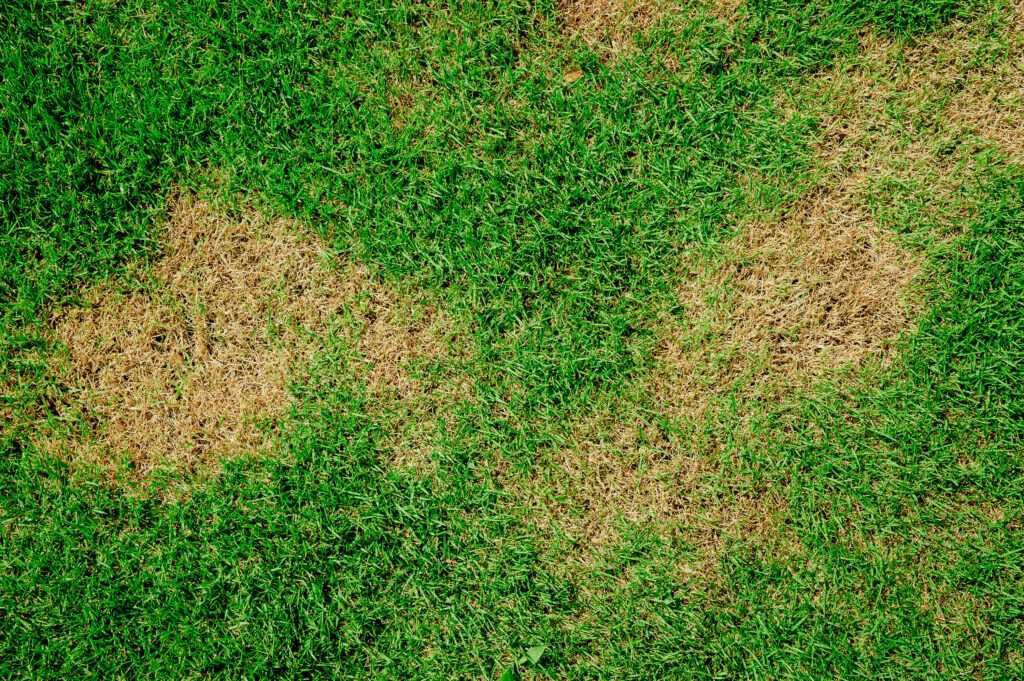
If your lawn is suffering from unsightly rust, don’t worry – treating it is simpler than you might think! The key to effective lawn rust treatment lies in improving air circulation, reducing moisture, and applying the right fungicides. Begin by mowing your grass regularly, ensuring you don’t cut it too short, as taller grass generally fights off rust better. Water your lawn early in the morning to allow for quicker drying, and consider applying a nitrogen-rich fertilizer to promote healthy growth. With these steps, you can restore your lawn’s vibrant green color and prevent future outbreaks of rust, allowing your outdoor space to thrive.
Lawn rust, a common fungal disease, manifests as orange or brown patches on grass blades, making your once lush yard look unappealing. It typically thrives in warm, humid conditions and can be exacerbated by poor lawn maintenance practices. Over time, if not treated, it can weaken your grass and lead to further issues. Thankfully, with some proactive measures and treatments, you can combat lawn rust effectively. Let’s explore the best methods to restore your lawn and keep it healthy!

“`html
Lawn Rust Treatment: Comprehensive Guide to Reviving Your Grass
Lawn rust can be a pesky problem for homeowners who take pride in their green spaces. It appears as orange or yellow spots on grass blades and can lead to a thinning lawn if not addressed quickly. Proper lawn rust treatment is essential for maintaining a healthy and vibrant lawn. In this section, we will explore the causes, prevention methods, and effective treatments for lawn rust.
Understanding Lawn Rust
Lawn rust is a fungal disease caused by different types of fungi, particularly *Puccinia*. It thrives in warm, humid conditions. There are several indicators that your lawn might be suffering from rust:
- Yellow to orange-brown spots on grass blades
- Reduced growth and vitality of the grass
- Grass blades may appear thin and flimsy
Identifying lawn rust in its early stages is crucial. If left untreated, it can spread and weaken your turf, making it susceptible to other diseases and pests.
Causes of Lawn Rust
There are several factors contributing to the growth of lawn rust:
- **High humidity**: Rust flourishes in damp conditions.
- **Poor air circulation**: Areas with high grass density or close trees can trap moisture.
- **Weak grass**: Lawns that are stressed due to drought or improper fertilization are more vulnerable to rust.
Understanding these causes will help you adjust your lawn care routine to prevent future outbreaks.
Preventing Lawn Rust
Prevention is key when it comes to lawn rust. Here are some effective strategies:
1. Mow Regularly
Keep your lawn mowed to avoid long grass blades that can trap moisture. Set your mower blades to an appropriate height, ensuring a clean cut.
2. Water Wisely
Watering deeply but infrequently encourages deep root growth. Avoid watering in the evening, as wet grass overnight can lead to increased rust development.
3. Improve Air Circulation
Trim back bushes and trees that are too close to the lawn. This allows for better airflow and helps to dry wet grass more quickly.
4. Fertilize Appropriately
Use fertilizers that promote strong grass growth. A healthy lawn is less likely to suffer from rust. Consider using slow-release fertilizers for sustained nutrition.
Treating Lawn Rust
When prevention measures fall short, you’ll need to treat lawn rust effectively. Here are the steps to take:
1. Reseeding
If the rust has caused significant damage, consider reseeding the affected areas. Choose rust-resistant grass seeds for better resilience.
2. Fungicide Application
Fungicides are available that target rust. Look for products containing active ingredients like myclobutanil or propiconazole. Always follow the manufacturer’s instructions.
3. Organic Remedies
For those seeking organic options, consider using a mixture of baking soda and water. Mix one tablespoon of baking soda with a gallon of water and spray it on affected areas. This can help to control the spread of the fungus.
4. Increase Sunlight Exposure
If your lawn is shaded, consider trimming back tree branches or relocating flower beds that block sunlight. Rust thrives in shade, so more sunlight can help control moisture levels.
Best Practices for Ongoing Care
Once you’ve treated the rust, it’s important to maintain lawn health to prevent future issues.
1. Monitor Regularly
Keep an eye on your lawn to catch any signs of rust early. Regular inspections can help to identify problems before they escalate.
2. Adjust Lawn Care Routine
Tailor your lawn care routine to the specific needs of your grass type. This includes proper mowing, watering, and fertilization.
3. Aerate Your Lawn
Consider aerating your lawn to improve airflow and root development. This can enhance the overall health of your grass.
Environmental Factors that Influence Lawn Rust
Several environmental factors can contribute to the development of lawn rust. Understanding these can assist in prevention and treatment.
- **Weather conditions**: Warm, humid weather is ideal for rust growth.
- **Soil quality**: Compacted or poor-quality soil can weaken grass.
- **Humidity**: High humidity levels can sustain rust spores longer.
By being aware of these factors, homeowners can take proactive measures to protect their lawns.
Choosing the Right Grass Types
Some types of grasses are more resistant to rust. When selecting grass for your lawn, consider these options:
- **Perennial Ryegrass**: This grass type is known for its quick establishment and durability.
- **Tall Fescue**: Offers good drought resistance and performs better in high heat.
- **Bermudagrass**: A popular choice in warmer climates, known for its resilience.
Additionally, local climate conditions should guide your selection process.
When to Seek Professional Help
Sometimes, lawn rust can be stubborn and may require professional assistance. Here are some signs:
- The rust has spread rapidly despite treatment efforts.
- You are uncertain about the proper identification of the problem.
- Your lawn exhibits other signs of distress, such as wilting or discoloration.
In these cases, consulting a lawn care professional can provide insight and tailored solutions.
Proper lawn rust treatment is crucial for maintaining a healthy lawn. By understanding the causes, employing prevention methods, and knowing how to treat outbreaks, homeowners can preserve their green spaces. Remember to monitor your lawn regularly and adjust your care practices based on its needs. A vibrant lawn is achievable with diligence and the right strategies.
“`
How to Control Lawn Rust (4 Easy Steps)
Frequently Asked Questions
“`html
What are the signs of lawn rust infection?
Lawn rust typically presents itself through yellow, orange, or reddish-brown spores appearing on the grass blades. You may also notice grass blades becoming thin, weak, and drooping. Additionally, rust can cause your lawn to look patchy and unhealthy, especially during warm and humid weather.
How can I prevent lawn rust from developing?
Preventing lawn rust involves maintaining a healthy lawn through proper cultural practices. Ensure your lawn receives adequate sunlight, water, and nutrients. Mowing your grass at the right height helps, as taller grass can shade out the soil and reduce humidity. Additionally, avoid over-fertilizing with nitrogen, which can promote rust growth.
Is it necessary to reseed my lawn after treating rust?
Whether to reseed your lawn after treating for rust depends on the severity of the infection. If the grass has died or thinned significantly, reseeding may help restore its density and health. After treating the rust, give your grass some time to recover before you consider overseeding.
What are effective treatments for lawn rust?
Effective treatments for lawn rust include applying fungicides that contain active ingredients like azoxystrobin or propiconazole. Additionally, regular mowing and proper irrigation techniques can help remove spores. Ensure you follow the manufacturer’s instructions for any chemical treatments to maximize their effectiveness.
When is the best time to apply treatments for lawn rust?
The best time to apply rust treatments is early in the morning when temperatures are cooler and humidity is lower. This timing helps the treatment adhere to the grass and works more effectively. Regular monitoring during the growing season also assists in identifying and treating rust promptly.
“`
Final Thoughts
Effective lawn rust treatment involves a combination of proper maintenance and timely interventions. Start by ensuring your lawn receives adequate sunlight and air circulation, as these factors help prevent rust. Regularly mowing and watering your grass can also significantly reduce the chances of rust development.
When rust appears, apply fungicides specifically designed for lawn rust treatment to manage the issue. Additionally, consider adjusting your fertilization schedule to promote healthier grass growth. With consistent care and the right strategies, you can keep your lawn lush and rust-free.