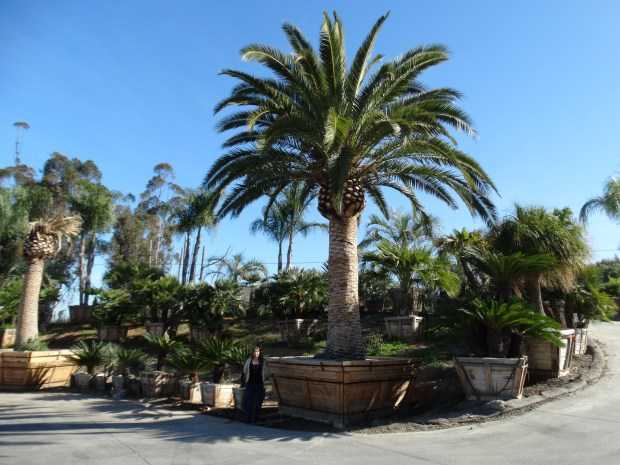
Choosing the right palms for your landscape can significantly enhance its aesthetic appeal, bringing a tropical vibe to your outdoor space. Start by considering your climate, as different palms thrive in varying conditions – some prefer sunny spots while others can tolerate shade. Think about the size of the palm; larger varieties can serve as stunning focal points, while smaller ones can complement garden beds. Pay attention to maintenance requirements, too, as some palms need more care than others. Lastly, consider the overall theme of your landscape design. By taking these factors into account, you can select palms that not only suit your environment but also create a harmonious look that elevates your home’s charm.

Choosing Palms For Your Landscape
When it comes to adding flair to your garden, **palms can be a fantastic choice**. They come in various shapes, sizes, and colors, making them versatile for different landscape designs. Let’s explore how to select the right palms for your landscape, taking into consideration environmental factors, aesthetic appeal, and maintenance needs.
Understanding Palm Varieties
There are numerous **types of palm trees** suitable for various climates. Understanding the different varieties is essential in making a wise choice. Here are some popular palm types:
- Coconut Palm: Known for its tall stature and iconic coconuts.
- Date Palm: A shorter tree, ideal for subtropical regions and produces sweet dates.
- Sago Palm: Technically a cycad, it’s widely appreciated for its unique texture and look.
- Fan Palm: Features wide, fan-like leaves and is adaptable to various conditions.
- Areca Palm: A great indoor choice, it adds a tropical feel without taking up too much space.
Understanding these varieties helps you match **palms to your landscaping needs**.
Climate Considerations
**Climate plays a significant role** in selecting the right palm species. Here’s what to keep in mind:
– **Tropical:** Choose palms that thrive in warm, humid conditions, like the Coconut Palm.
– **Subtropical:** Palms like the Date Palm can handle mild winters and hot summers.
– **Temperate:** Sago Palms can withstand cooler temperatures, making them a good fit.
Always check your local climate zone to ensure the palm will thrive in your area.
Sunlight and Location
Where you plant your palms can significantly affect their growth. Most palms love **full sun**, but some can tolerate shade. Here’s a guide:
– **Full Sun:** Coconut Palms and Date Palms need ample sunlight for optimal growth.
– **Partial Shade:** The Areca Palm can thrive with some shade, perfect for under trees or on patios.
Choosing the right location based on sunlight can help palms flourish.
Soil Type and Quality
**Soil quality is crucial** for the health of your palms. The ideal soil conditions depend on the palm species. Here are some tips:
– **Well-Draining Soil:** Most palms prefer sandy or loamy soil that drains well.
– **pH Level:** Palms typically thrive in slightly acidic to neutral pH levels (around 6-7).
Testing your soil can help you take necessary steps to improve its quality.
Maintenance Needs
Different palms have varying maintenance needs. Understanding these can save you time and energy in the long run. Here’s what to consider:
- Watering: Most palms need regular watering, especially in dry spells.
- Fertilization: Palms usually benefit from a balanced fertilizer during the growing season.
- Pruning: Regularly remove dead leaves to keep your palms looking tidy.
Choosing low-maintenance palms can make your landscaping efforts enjoyable rather than burdensome.
Pest Management
Like all plants, **palms can be susceptible to pests**. Here are common pests to watch for:
– **Scale Insects:** They attach to leaves and can weaken the tree.
– **Spider Mites:** These tiny pests can cause leaf discoloration.
– **Palm Weevils:** These can cause significant damage if not controlled promptly.
Regular inspection and quick action can help keep your palms healthy.
Designing with Palms
Incorporating palms into your landscape design can enhance its visual appeal. Here are some ideas:
- Focal Points: Use tall palms as statement pieces in your garden.
- Group Planting: Plant several palms together for a tropical island effect.
- Container Planting: Smaller palms can thrive in pots, perfect for patios or balconies.
Think about how to position your palms to create an inviting environment.
Seasonal Interest
**Adding variety** to your landscaping keeps it interesting year-round. Consider these aspects:
– **Different Heights:** Mix tall and short palms for visual contrast.
– **Color Change:** Some palms provide seasonal color changes, enriching the landscape.
– **Complementary Plants:** Pair palms with flowering plants or shrubs for added beauty.
Mixing different elements can ensure your landscape is captivating throughout the year.
Cost Considerations
The **cost of palms can vary** significantly based on type and size. Here’s what to think about:
– **Purchase Price:** Smaller palms are usually less expensive than larger, mature ones.
– **Ongoing Costs:** Factor in potential costs for maintenance, water, and fertilizers.
Plan your budget accordingly to ensure your palm selection fits your financial needs.
Local Regulations
Before planting, check if there are **local regulations** on palm trees. Some areas may have restrictions on certain species due to invasive tendencies.
– **Native Species:** Consider planting native palms that support local wildlife.
– **Size Restrictions:** Be aware of how large your chosen palms can grow.
Understanding these regulations can prevent future headaches.
Environmental Impact
**Choosing the right palms can also benefit the environment**. Here’s how:
– **Air Quality:** Palms help improve air quality by absorbing carbon dioxide.
– **Erosion Control:** Their roots can help prevent soil erosion in sandy areas.
– **Wildlife Habitat:** Many palms support local wildlife, providing food and shelter.
Selecting palms that enhance ecological health can create a more sustainable landscape.
Finding the Right Supplier
When you’re ready to purchase palms, finding a reputable supplier is crucial. Here are some tips:
– **Local Nurseries:** They often offer palms suited for your local climate.
– **Online Suppliers:** Browse online, but ensure they have good reviews and customer service.
– **Community Recommendations:** Ask fellow gardeners for their favorite suppliers.
Choosing the right place to buy your palms can affect their health and growth after planting.
Selecting palms for your landscape is an exciting venture. With the **right knowledge**, you can pick palms that not only enhance the beauty of your garden but also thrive in your local environment. Remember to consider climate, soil, maintenance needs, and local regulations. By doing this, your palms will be a stunning addition to your outdoor space for years to come. Happy planting!
How to Choose the Right Palm Tree: Selecting the Best Palms for Your Next Landscape Project!
Frequently Asked Questions
“`html
What factors should I consider when selecting palms for my garden?
When selecting palms for your garden, consider factors such as the climate in your area, the amount of sunlight the location receives, soil type, and available space. Ensure the palms you choose are well-suited for your local environment and can thrive in the specific conditions you provide.
How do I care for palms once they are planted?
Caring for palms involves regular watering, especially during dry periods, and ensuring they receive appropriate nutrients. Mulching around the base helps retain moisture and control weeds. Prune dead fronds and monitor for pests or diseases to maintain the health of your palms.
Can palms survive in colder climates?
Some palm species are more cold-hardy than others and can survive in colder climates. Research varieties that are known to withstand lower temperatures and consider microclimates in your yard that may offer some protection from harsh winter weather.
What are the best palms for small spaces?
For small spaces, consider dwarf or compact palm varieties that don’t grow too tall or wide. Options like the Pygmy Date Palm or the Lady Palm work well in confined areas and still provide that tropical feel without overwhelming the landscape.
How do I ensure my palms thrive in pots?
To ensure palms thrive in pots, choose the right container size with good drainage. Use a high-quality potting mix, and regularly check for water needs. Fertilize according to the species’ requirements and ensure they receive adequate sunlight.
What common pests should I watch for with my palm trees?
Common pests that can affect palm trees include aphids, spider mites, and scale insects. Regularly inspect your palms for signs of infestation, such as discoloration or webbing. Use appropriate treatments, such as insecticidal soap or neem oil, to manage any pests effectively.
“`
Final Thoughts
Choosing Palms For Your Landscape requires careful consideration of the climate, space, and aesthetic appeal. Different palm species can thrive in various conditions, so selecting the right type is essential for longevity.
Consider the height and spread of the palms to ensure they fit well within your garden. Pairing them with complementary plants can enhance the overall design, creating a tropical feel.
Ultimately, the right palms can elevate your landscape, providing both beauty and functionality. Prioritize your needs and preferences to make the best choice when selecting palms for your landscape.