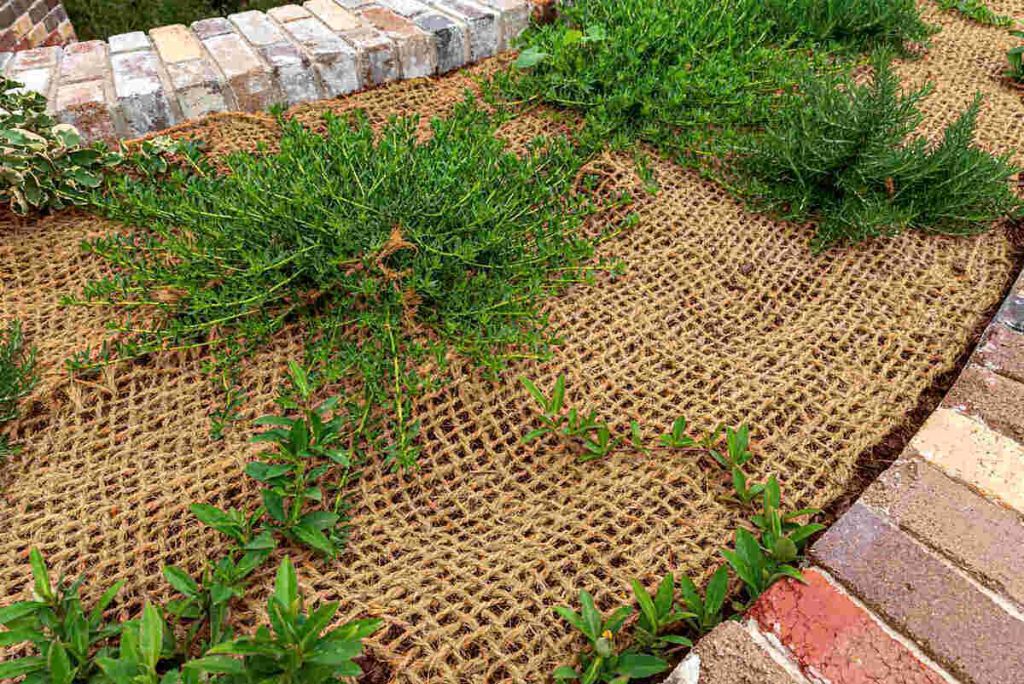
When it comes to maintaining a healthy lawn and garden, choosing the right landscape fabric can make all the difference. Landscape fabrics serve as a barrier between soil and weeds, allowing water and nutrients to reach your plants while minimizing unnecessary competition. There are various types of landscape fabrics available, each with its own specific uses and benefits. Whether you’re looking to control weeds in your flower beds, create pathways, or manage erosion on slopes, understanding the differences among these materials is key. In this article, we’ll explore the different types of landscape fabrics, their ideal applications, and some practical tips on how to use them effectively for your lawn care needs.

Lawn Care Types Of Landscape Fabrics And How To Use Them
When it comes to maintaining a healthy lawn and garden, understanding the different types of landscape fabrics is essential. These fabrics provide valuable support in controlling weeds, regulating soil temperature, and promoting proper moisture retention. Each type of fabric has unique properties, so knowing which one to use and how can significantly enhance your lawn care efforts.
What Is Landscape Fabric?
Landscape fabric, also known as weed barrier or garden cloth, is a landscaping material used to suppress weeds and control soil erosion. Made from synthetic or natural fibers, these fabrics are permeable to water and air, allowing nutrients to reach the soil while preventing unwanted plants from growing.
Benefits of Using Landscape Fabric
The use of landscape fabric offers several benefits for lawn care, including:
- Weed Control: Keeps weeds at bay, reducing the need for constant maintenance.
- Moisture Retention: Helps retain moisture in the soil, which is crucial for healthy plant growth.
- Soil Temperature Regulation: Helps moderate soil temperatures, providing a favorable environment for plants.
- Erosion Prevention: Serves as a barrier to prevent soil erosion on slopes and hills.
Types of Landscape Fabrics
Understanding the different types of landscape fabrics can help you choose the best option for your specific needs. Below, we explore the most common types:
1. Woven Landscape Fabric
Woven landscape fabric is made from interwoven polypropylene or polyester fibers. This type of fabric is durable and allows water and air to pass through while keeping weeds from growing.
**Key Features:**
– Long-lasting and tear-resistant
– Excellent drainage capabilities
– Suitable for pathways, gardens, and flower beds
2. Non-Woven Landscape Fabric
Non-woven landscape fabric is made from bonded fibers, making it a thicker and more robust option. This type of fabric is ideal for areas where moisture retention is crucial.
**Key Features:**
– High moisture retention
– Better for preventing erosion
– Often used in planting applications
3. Biodegradable Landscape Fabric
Biodegradable landscape fabric is an environmentally friendly option made from natural materials like jute or coir. It breaks down over time, enriching the soil as it does so.
**Key Features:**
– Eco-friendly and sustainable
– Gradual decomposition enhances soil quality
– Recommended for organic gardening
4. Geotextile Fabric
Geotextile fabric is a heavy-duty landscape fabric that provides excellent drainage and separation. It is commonly used in construction and landscaping projects for erosion control.
**Key Features:**
– Superior strength and durability
– Effective in stabilizing soil and preventing erosion
– Ideal for large-scale landscaping projects
How to Use Landscape Fabric
Using landscape fabric effectively requires following some simple steps. Here’s a step-by-step guide to help you get started.
1. Prepare the Area
Before you lay down fabric, clear the area of weeds, rocks, and debris. This preparation ensures a smooth layout and maximizes the fabric’s effectiveness.
2. Measure and Cut the Fabric
Measure the area where you want to apply the landscape fabric. Use sharp scissors or a utility knife to cut the fabric to fit the designated area.
3. Lay the Fabric
Place the fabric over the prepared area, overlapping edges where necessary. Secure it in place using landscape fabric stakes or pins to prevent it from shifting.
4. Add Mulch or Soil
Once the fabric is laid down, cover it with a layer of mulch or soil. This not only improves the appearance but also helps anchor the fabric and prevent it from blowing away.
5. Monitor and Maintain
Regularly check the area for any weeds that may penetrate the fabric. Trim any excessive growth and ensure the fabric remains intact for optimal performance.
When to Use Landscape Fabric
Knowing when to employ landscape fabric is crucial for its success. Here are some scenarios where landscape fabric is particularly beneficial:
- In flower beds to reduce weed competition.
- Along pathways to create a stable and weed-free surface.
- In vegetable gardens to maintain moisture and prevent weed growth.
- On slopes and hillsides to control erosion.
Common Misconceptions About Landscape Fabric
There are many myths surrounding landscape fabric that can lead to improper use. Here are some common misconceptions debunked:
1. Landscape Fabric Eliminates Weeds Completely
While landscape fabric drastically reduces weed growth, it does not eliminate it entirely. Some resilient weeds may still find a way to breach the fabric.
2. All Fabric Is the Same
Fabric types differ significantly in terms of material, durability, and intended use. It’s essential to choose the right type based on your landscaping needs.
3. Landscape Fabric Fosters Plant Growth
Although landscape fabric helps manage weeds, it does not directly promote plant growth. Ensure proper soil amendment and care alongside its use.
Combining Landscape Fabric with Other Lawn Care Techniques
For the best results, consider combining landscape fabric with other lawn care strategies.
1. Mulching
Using mulch alongside landscape fabric enhances moisture retention and provides additional weed control. Organic mulch will also boost soil health as it breaks down.
2. Soil Amendments
Before laying landscape fabric, improve your soil with compost or fertilizers. Healthy soil leads to healthier plants, even with fabric in place.
3. Integrated Pest Management
Using landscape fabric can work harmoniously with pest management techniques. This approach reduces chemical use while maintaining a healthy garden ecosystem.
Landscape fabrics are valuable tools for effective lawn care and garden management. By understanding the various types and their applications, gardeners can make informed choices that enhance plant health and minimize maintenance. Whether you are using woven, non-woven, biodegradable, or geotextile fabrics, proper installation and care will yield the best results. Embrace these fabrics as part of your lawn care routine and enjoy a lush, thriving outdoor space.
Landscape Fabric (Weed Control Barrier) What Works and What Doesn't, Advice From A Pro
Frequently Asked Questions
What are the benefits of using landscape fabrics in lawn care?
Landscape fabrics offer several advantages in lawn care. They help control weeds by blocking sunlight, which prevents weed seeds from germinating. Additionally, they allow water and nutrients to pass through, ensuring that plants receive the necessary hydration and nourishment. By using landscape fabrics, you can enhance soil health and reduce maintenance time, allowing your lawn to thrive with minimal effort.
How do I choose the right type of landscape fabric for my lawn?
Choosing the right landscape fabric depends on your specific needs. If you are focusing on weed control in a perennial bed, opt for a heavier fabric that offers durability. For annual beds or areas with less foot traffic, a lighter fabric may suffice. Consider the type of plants you have and their growth patterns, as some fabrics are better suited for permeable landscapes while others are designed for moisture retention in drier areas.
Can I use landscape fabric in vegetable gardens?
Yes, you can use landscape fabric in vegetable gardens to suppress weeds and retain soil moisture. However, ensure that you select a permeable fabric that allows water and nutrients to reach the plants. Additionally, take care when installing the fabric to avoid damaging the roots of your vegetables. Regularly check for wear and tear, and replace the fabric as needed to maintain an optimal growing environment.
How do I properly install landscape fabric in my lawn or garden?
To install landscape fabric, start by clearing the area of weeds and debris. Lay the fabric over the soil, ensuring it overlaps at the seams to prevent weeds from seeping through. Secure the fabric in place with landscape staples or pins, making sure it remains taut. Cut openings in the fabric to accommodate your plants, and cover the fabric with mulch or decorative stones to improve aesthetics and enhance weed control.
How often should I replace landscape fabric in my lawn or garden?
The lifespan of landscape fabric varies depending on the material and environmental conditions. Generally, you should inspect the fabric annually for signs of wear or damage. If you notice significant thinning, tearing, or soil buildup, it’s time to replace the fabric. Typically, high-quality fabrics can last anywhere from five to ten years if maintained properly.
Final Thoughts
Lawn Care Types Of Landscape Fabrics And How To Use Them offer various options for maintaining a healthy garden. Choosing the appropriate fabric helps control weeds and retains moisture, ensuring your plants thrive. Different materials serve specific purposes, so understanding their functions will enhance your landscaping efforts.
Proper installation and use of these fabrics can lead to significant improvements in lawn care. By selecting the right type, you can create a beautiful and low-maintenance outdoor space. Investing time in understanding Lawn Care Types Of Landscape Fabrics And How To Use Them pays off in the long run.