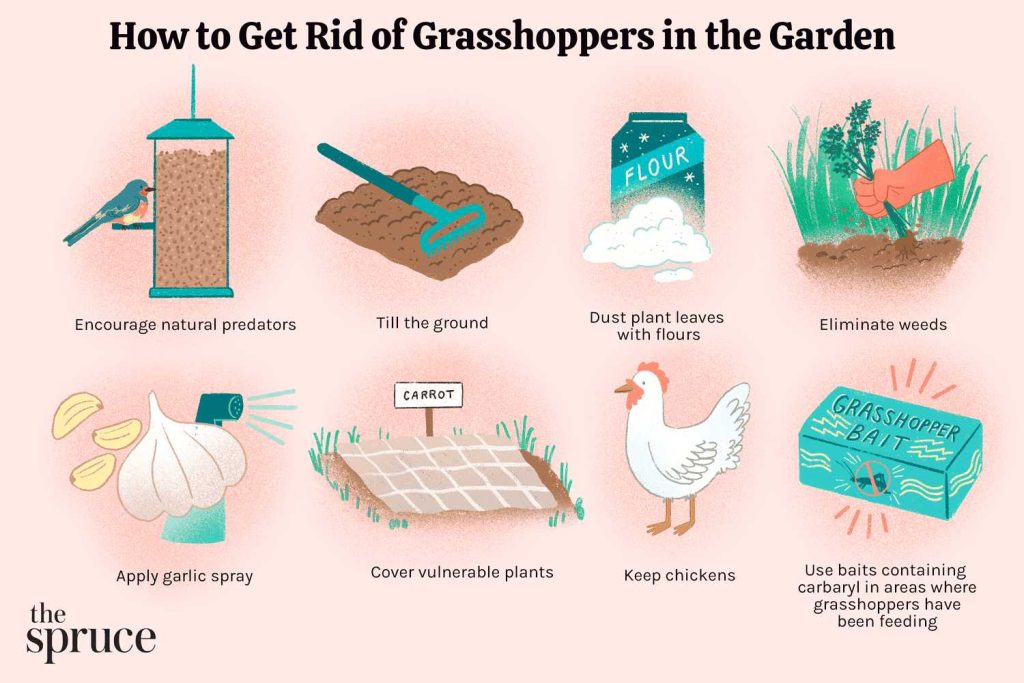
To get rid of grasshoppers in your yard, start by maintaining your garden’s cleanliness, using natural repellents like garlic or neem oil, and introducing natural predators such as frogs and birds.
Grasshoppers can quickly become a nuisance in your yard, munching away on your prized plants and making your outdoor space less enjoyable. If you’re tired of these pesky pests, there are effective ways to tackle them. Begin by keeping your yard tidy—remove any debris or tall grasses where grasshoppers love to hide. You can also use homemade repellents made from garlic or vinegar, which deter them without harming your plants. Additionally, attracting natural predators can help keep their numbers in check. Let’s explore more strategies to reclaim your yard from these hopping invaders!

How To Get Rid Of Grasshoppers In Yard
Grasshoppers can be a nuisance in gardens and yards, especially when they multiply quickly and start munching on your plants. To effectively get rid of grasshoppers, it’s essential to understand their behaviors, habits, and the methods you can use to control their population. This article will guide you through several effective strategies to eliminate grasshoppers from your yard.
Understanding Grasshoppers
Grasshoppers are insects that belong to the order Orthoptera. They thrive in warm climates and are most active during the summer months. They usually feed on various types of plants, making them a threat to gardens and crops.
Some key characteristics of grasshoppers include:
- Green or brown color, which helps them blend into their environment.
- Long hind legs that allow them to jump great distances.
- A voracious appetite, which can lead to significant plant damage.
Identifying Grasshopper Infestations
Before you can effectively combat grasshoppers, you need to determine if they are indeed causing problems in your yard. Signs of infestation may include:
- Visible grasshoppers hopping around your garden.
- Damaged leaves, stems, and flowers.
- Chewed edges on your plants.
- Presence of grasshopper egg pods in the soil.
Once you’ve identified these signs, it’s time to take action.
Preventive Measures
Prevention is often the best strategy for managing grasshoppers. Here are some steps you can take:
1. Maintain Your Garden
A well-maintained garden can deter grasshoppers. Regularly prune and clean up debris, as grasshoppers like to hide in overgrown areas.
2. Create Barriers
Introduce barriers like row covers or fine mesh nets to keep grasshoppers from reaching your plants.
3. Plant Grasshopper-Resistant Plants
Some plants are less appealing to grasshoppers. Consider planting:
- Marigolds
- Thyme
- Lavender
These plants can make your garden less inviting to these pests.
Biological Control Methods
Using natural predators can be an effective way to manage grasshopper populations. Here are some beneficial insects to consider:
1. Birds
Encourage birds to visit your yard by providing birdhouses or feeders. Birds such as sparrows and blue jays feed on grasshoppers.
2. Parasitic Wasps
Parasitic wasps lay their eggs inside grasshoppers, eventually killing them. You can introduce these wasps into your garden to control grasshopper populations.
3. Nematodes
These tiny worms can control grasshopper larvae. Nematodes invade and kill grasshopper eggs in the soil.
Cultural Control Methods
Adjusting garden practices can help reduce grasshopper populations. Consider the following:
1. Crop Rotation
Changing the types of crops you grow each season can confuse grasshoppers and reduce their populations.
2. Timing Planting
Planting your garden at a time when grasshoppers are less active can help avoid infestations.
Mechanical Control Methods
Physical methods can also help keep grasshoppers at bay. Here are a few techniques:
1. Handpicking
In smaller gardens, you can manually remove grasshoppers. Wear gloves and drop them into soapy water to dispose of them.
2. Traps
Set up traps using containers filled with a mixture of water and soap. Grasshoppers are attracted to the water and can drown in it.
Chemical Control Methods
If the infestation is severe, you may need to consider chemical treatments. Here are some options:
1. Insecticidal Soaps
These soaps can be sprayed directly on grasshoppers to suffocate them.
2. Neem Oil
Neem oil disrupts the feeding and reproduction of grasshoppers when applied to plants.
3. Chemical Insecticides
While this is a last resort, some chemical insecticides can effectively control grasshopper populations. Always follow label instructions to minimize impact on helpful insects.
Timing of Treatments
Applying control methods at the right time is crucial for effectiveness. Understand the grasshopper life cycle, which includes:
- Egg stage, typically laid in soil during fall.
- Nymph stage, where they resemble adults but are smaller and wingless.
- Adult stage, which emerges in late spring through summer.
Applying treatments during the nymph and adult stages can yield the best results.
Continual Monitoring
After implementing control methods, continuous monitoring is necessary. Regularly check for any new signs of grasshopper activity and adjust your strategies accordingly.
1. Inspect Your Plants
Look for new damage or eggs, and note any changes in grasshopper behavior.
2. Keep Track of Population Levels
Keep a record of grasshopper sightings and damage. This will help identify effective strategies and inform your future actions.
Controlling grasshoppers in your yard involves a combination of understanding their behavior, implementing preventive strategies, and utilizing biological, cultural, mechanical, and chemical methods. By being proactive and vigilant, you can protect your garden from these pesky pests and maintain a healthy, thriving outdoor space.
How to Get Rid of Grasshoppers in Your Lawn (4 Easy Steps)
Frequently Asked Questions
What natural methods can help control grasshopper populations in my yard?
One effective natural method is to introduce beneficial insects, such as spiders, to your yard. You can also plant strong-scented herbs like basil, mint, and sage, which tend to repel grasshoppers. Another option is to use diatomaceous earth around the perimeter of your garden; it dehydrates and kills grasshoppers without harming beneficial insects.
How can I prevent grasshoppers from damaging my plants?
To prevent grasshoppers from causing damage, keep your yard free from debris and tall grasses, as these provide ideal hiding spots. Regularly monitor your plants for signs of grasshopper activity, and consider using row covers to protect vulnerable crops. Additionally, applying organic repellents can deter these pests from feasting on your plants.
What are some chemical solutions for grasshopper control?
If natural methods do not yield results, consider using insecticidal soaps or specific pesticides designed for grasshopper control. Choose products that are safe for use in gardens and follow the application instructions carefully. Always target the areas where grasshoppers are most active for the best results.
When is the best time to apply treatments for grasshopper control?
The ideal time to apply treatments is during the early morning or late evening when grasshoppers are most active. Applying treatments during these times ensures better adherence to the pests and increases the likelihood of effective control. Additionally, doing so before an expected rain can help keep the treatment from washing away.
Are there any plants that attract grasshoppers, and how can I manage this?
Grasshoppers are attracted to certain plants like alfalfa and clover. To manage this, consider removing these plants from your yard or surrounding them with plants that repel grasshoppers. You can also create barriers with shrubs or flowers that grasshoppers tend to avoid, which can help protect your garden from invasion.
Final Thoughts
To get rid of grasshoppers in your yard, start by maintaining a clean environment. Remove debris and tall grasses that serve as hiding spots. Introduce natural predators, such as birds or beneficial insects, to help control their population.
Additionally, consider using organic repellents or traps to manage grasshopper numbers effectively. Regularly inspect your garden for any signs of infestation and take prompt action. Following these steps will give you a better chance of keeping your yard free from grasshoppers. Remember, knowing how to get rid of grasshoppers in yard is key to maintaining a healthy garden.