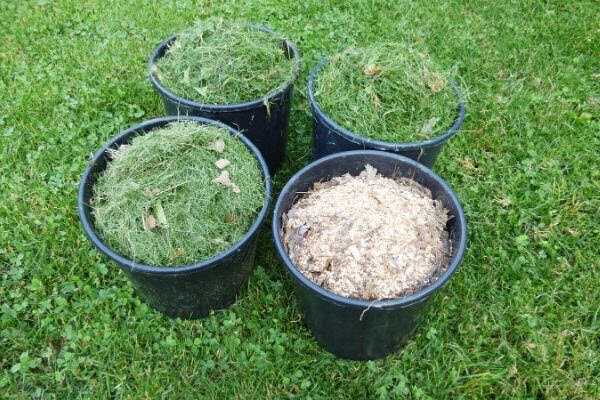
Looking for a simple and effective way to reduce waste in your garden while nourishing your soil? The answer lies in composting grass clippings and wood chips. By harnessing the power of decomposition, you can transform these commonly discarded materials into valuable organic matter that will enrich your plants and promote a healthy ecosystem. In this article, we will explore the benefits of composting grass clippings and wood chips, as well as provide some practical tips to help you get started on your journey to sustainable gardening. So, let’s delve into the world of composting and discover how you can turn your garden waste into black gold!

Composting Grass Clippings and Wood Chips
Introduction
Composting is a simple yet effective way to manage organic waste, reduce landfill contributions, and create nutrient-rich soil. Grass clippings and wood chips, common yard waste materials, can be composted to produce a valuable soil amendment for gardens and landscapes. In this article, we will explore the benefits and techniques of composting grass clippings and wood chips, providing you with the knowledge to transform waste into a valuable resource.
The Benefits of Composting Grass Clippings and Wood Chips
Composting grass clippings and wood chips offers numerous benefits for both the environment and your garden. Here are some key advantages:
1. Waste Reduction
– By composting grass clippings and wood chips, you divert organic matter from landfills, reducing the production of harmful greenhouse gases.
– According to the EPA, yard waste accounts for about 13% of the total municipal solid waste generated in the United States. Composting can significantly reduce this waste volume.
2. Nutrient-Rich Soil Amendment
– Composted grass clippings and wood chips add vital nutrients to the soil, improving its overall health and fertility.
– The decomposition process of organic matter in compost releases essential nutrients like nitrogen, phosphorus, and potassium, providing a balanced blend for plants to thrive.
3. Improved Soil Structure
– Compost helps improve the structure of clayey or sandy soils by adding organic matter, enhancing water retention, and promoting aeration.
– The addition of compost to heavy clay soils reduces compaction, making it easier for plant roots to penetrate and access nutrients and water.
4. Weed Suppression
– Properly composted grass clippings and wood chips can act as a natural mulch, suppressing weed growth and reducing the need for herbicides.
– A layer of compost mulch also helps regulate soil temperature, preventing extreme fluctuations and protecting plant roots.
How to Compost Grass Clippings and Wood Chips
Composting grass clippings and wood chips requires a balanced approach to achieve optimal results. Here are the steps to follow:
1. Collect the Materials
– Gather grass clippings and wood chips from your yard or source them from local landscaping companies or tree removal services.
– Ensure that the grass clippings are free from chemical treatments, such as herbicides or pesticides, as these can hinder the composting process.
2. Create a Compost Pile or Bin
– Choose a suitable location in your yard for your compost pile or bin. It should be easily accessible and receive adequate sunlight.
– Consider using a compost bin to prevent the materials from scattering and to accelerate decomposition. Alternatively, you can create a compost pile directly on the ground.
3. Layer the Materials
– Start by laying down a base layer of wood chips to promote aeration and drainage. This base layer prevents the compost pile from becoming too compacted.
– Add a layer of grass clippings on top of the wood chips. Aim for an equal ratio of grass clippings to wood chips by volume.
– Alternate between layers of grass clippings and wood chips until you have used all your materials.
4. Moisture and Aeration
– Water the compost pile as you layer the materials to maintain proper moisture levels. The compost should be damp, like a wrung-out sponge.
– To ensure aeration, periodically turn the compost with a pitchfork or garden fork. This helps facilitate the breakdown of organic matter and prevents unpleasant odors.
5. Time and Temperature
– Composting grass clippings and wood chips typically takes several months to a year, depending on various factors such as temperature, moisture, and the size of the compost pile.
– A well-maintained compost pile should reach internal temperatures between 120°F and 160°F (49°C and 71°C), which supports the decomposition process and kills weed seeds and pathogens.
6. Harvest and Use
– When the compost has decomposed into a dark, crumbly material, it is ready for use. This process usually takes six months to two years, depending on the conditions.
– Apply the finished compost to your garden beds, mix it with potting soil for container gardening, or use it as a topdressing for your lawn.
Troubleshooting Composting Issues
Although composting grass clippings and wood chips is relatively straightforward, you may encounter some common issues along the way. Here are a few troubleshooting tips:
1. Odor
– Foul odors often indicate an imbalance in the compost pile, typically due to excessive moisture or lack of aeration. Turn the pile more frequently and adjust the moisture levels by adding dry materials like dried leaves or shredded newspaper.
2. Slow Decomposition
– If your compost pile is taking longer to decompose, it may be due to a lack of nitrogen. Add nitrogen-rich materials such as fresh grass clippings or kitchen scraps to boost the decomposition process.
3. Pests
– Keep an eye out for pests such as rodents or flies. To prevent these unwanted visitors, avoid adding meat, dairy, or oily food scraps to the compost pile. Secure your compost bin or pile to deter critters.
4. Excessive Heat
– High temperatures within the compost pile can be an issue, especially in hot summer months. Monitor the moisture levels and turn the compost more frequently to maintain a balanced temperature.
Composting grass clippings and wood chips is an eco-friendly and sustainable practice that allows you to reduce waste, improve soil health, and nurture your garden naturally. By following the steps outlined in this guide, you can create a thriving compost pile and transform yard waste into nutrient-rich soil amendment. Start composting today and witness the benefits firsthand!
Turning free wood chips into amazing compost.
Frequently Asked Questions
Can I compost grass clippings and wood chips together?
Yes, you can compost grass clippings and wood chips together. Both materials contribute valuable organic matter to the compost pile. However, it’s important to mix them properly to ensure proper decomposition.
Should I mix grass clippings and wood chips in equal amounts?
No, it is not necessary to mix grass clippings and wood chips in equal amounts. A general rule of thumb is to aim for a carbon-to-nitrogen (C:N) ratio of about 30:1 in the compost pile. Grass clippings are rich in nitrogen (greens) while wood chips are higher in carbon (browns). A mix of approximately three parts grass clippings to one part wood chips is a good starting point.
How often should I turn the compost pile that contains grass clippings and wood chips?
You should aim to turn the compost pile every 1-2 weeks to ensure proper decomposition. Turning the pile helps aerate it, maintain the right moisture levels, and distribute the materials evenly. This encourages the breakdown of organic matter and helps prevent unpleasant odors.
Can I add grass clippings and wood chips to an existing compost pile?
Yes, you can add grass clippings and wood chips to an existing compost pile. However, it’s important to layer them properly. Alternate layers of grass clippings and wood chips, ensuring each layer is no more than 6 inches thick. This promotes a balanced C:N ratio and encourages efficient decomposition.
How long does it take for grass clippings and wood chips to decompose in compost?
The time it takes for grass clippings and wood chips to decompose in compost can vary. Under ideal conditions, where the compost pile is properly maintained with regular turning and moisture control, it may take around 3-6 months. However, factors such as temperature, moisture levels, and the size of the materials can influence decomposition time.
Can I use compost made from grass clippings and wood chips in my garden?
Absolutely! Compost made from grass clippings and wood chips is a nutrient-rich organic amendment that can greatly benefit your garden. It improves soil structure, enhances moisture retention, and supplies essential nutrients to plants. Ensure the compost has fully decomposed and has a crumbly texture before incorporating it into your garden beds or using it as a top-dressing.
Final Thoughts
Composting grass clippings and wood chips is a simple and efficient way to reduce waste and create nutrient-rich soil. By combining these organic materials in a compost pile, you can accelerate the decomposition process and enhance the overall quality of your compost. Grass clippings provide nitrogen, while wood chips add carbon, creating a well-balanced mix. Regularly turning and watering the pile will ensure proper aeration and moisture levels. Remember to avoid the use of pesticides on your grass, as it can disrupt the composting process. Composting grass clippings and wood chips is an environmentally-friendly and cost-effective approach to sustainable gardening.