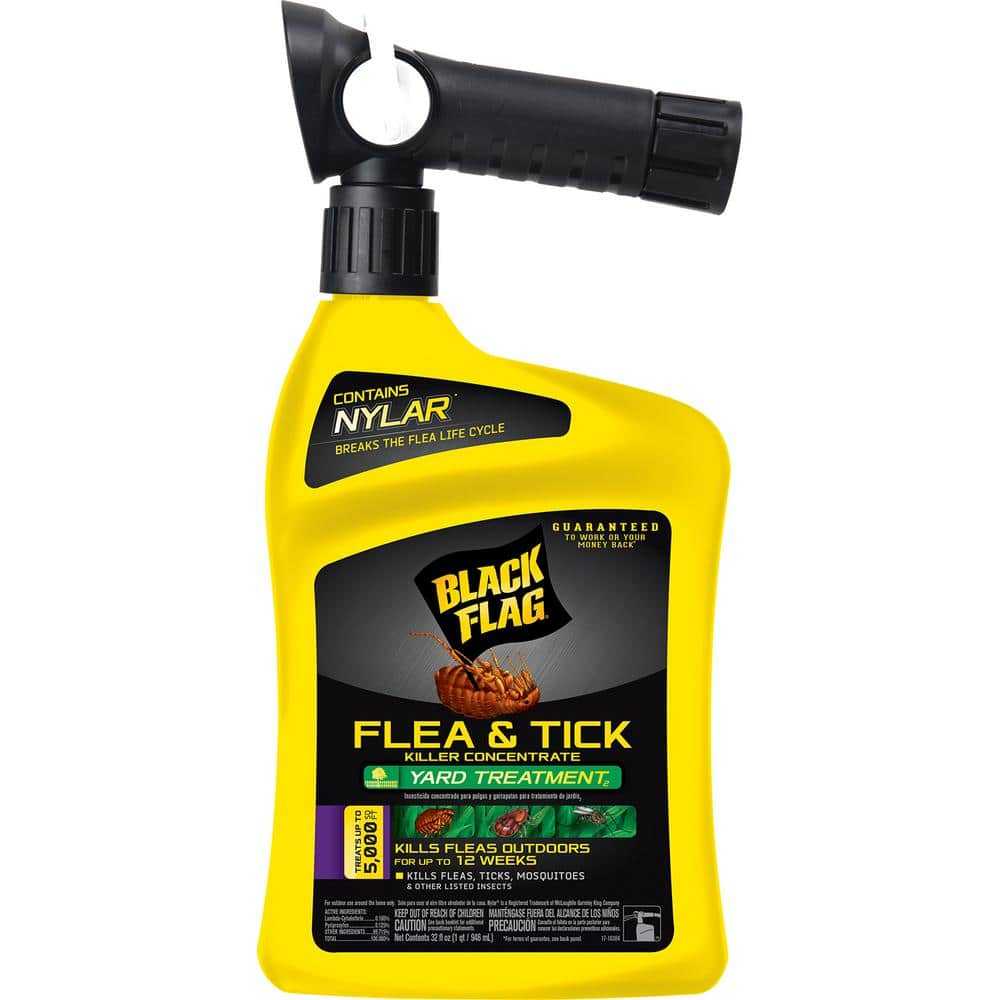
To keep fleas out of your yard, maintain a clean environment by regularly mowing your lawn, removing debris, and clearing out any standing water. Make use of natural predators like nematodes and consider applying insecticidal treatments specifically designed for flea control. Creating a barrier with gravel or mulch can also deter these pests. Remember, consistency is key—frequent monitoring and preventive measures can make a significant difference in reducing flea populations.
When it comes to lawn care, preventing fleas in your yard is essential for a comfortable outdoor space. Fleas can quickly become a nuisance, not just for pets but for everyone in the household. It’s crucial to understand that these pests thrive in warm, humid environments and can easily take residence in your garden if not managed properly. By adopting effective strategies, such as regular maintenance, and utilizing natural treatments, you can create an unwelcoming environment for fleas. Let’s explore some practical methods to ensure your yard remains flea-free and enjoyable for your family and pets.

Lawn Care: How To Prevent Fleas In Your Yard
Fleas are not just a nuisance for pets; they can be a major problem for your entire yard. If you’re a pet owner or someone who enjoys spending time outdoors, keeping your yard flea-free is essential. This guide will walk you through effective strategies to prevent fleas from taking over your outdoor space.
Understanding Fleas and Their Life Cycle
Fleas are tiny pests that thrive in warm and humid environments. Understanding their life cycle is crucial for effective prevention.
- **Egg Stage**: A female flea can lay up to 50 eggs per day. These eggs fall into your yard and can hatch in about 2 to 10 days.
- **Larva Stage**: After hatching, larvae live in shaded areas and feed on organic debris and flea dirt. This stage lasts about 5 to 11 days.
- **Pupa Stage**: Fleas then enter a cocoon where they can stay for several months, waiting for the right conditions to emerge.
- **Adult Stage**: Once they sense a host nearby, adult fleas will emerge and start the cycle over again.
Knowing this cycle helps in planning effective prevention strategies tailored to disrupt their growth.
Maintaining a Healthy Lawn
A healthy lawn is your first line of defense against fleas. Keeping your grass well-trimmed and free of debris can discourage fleas from taking up residence.
- **Mow Regularly**: Keep your grass at a height of about 2 to 3 inches. This length is ideal because it helps control flea populations.
- **Remove Clutter**: Fleas like to hide in shaded areas, so keep your yard tidy by removing leaves, sticks, and other debris.
- **Aerate Your Lawn**: Aeration helps promote healthy grass growth while also ensuring the soil is not too compact for flea larvae to thrive.
Regular lawn maintenance can dramatically reduce flea populations.
Using Natural Flea Deterrents
There are various natural methods you can use to help keep fleas at bay. Many of these techniques are environmentally friendly and safe for pets and children.
- **Diatomaceous Earth**: This powder is made from tiny fossilized organisms. Sprinkling it on your lawn can help dehydrate and kill fleas.
- **Essential Oils**: Oils such as lavender, peppermint, and cedarwood repel fleas. Mix a few drops with water and spray it around your yard.
- **Nematodes**: These microscopic worms feed on flea larvae. They are a natural way to control flea populations in your soil.
Incorporating these natural methods can effectively reduce the flea population without harming your lawn or pets.
Regular Pet Care
If you have pets, ensuring they are flea-free is essential to maintain a flea-free yard. Pets often act as carriers for these pests.
- **Regular Treatments**: Use vet-recommended flea treatments for your pets. These treatments can break the flea life cycle.
- **Frequent Baths**: Bathing your pets regularly can help wash away fleas and eggs. Use flea shampoo for extra protection.
- **Grooming**: Regularly brush your pets to remove fleas and eggs. This also helps you spot any potential infestations early.
Prioritizing your pets’ flea prevention can significantly impact the flea population in your yard.
Flea Traps
Flea traps can be a useful tool in combating fleas. These traps attract and capture adult fleas, helping to lower their numbers.
- **Homemade Traps**: Using a shallow dish filled with soapy water and a light source can create a trap since fleas are drawn to the light.
- **Commercial Traps**: These are available in pet stores and can be more effective if you have a larger yard.
- **Placement**: Place traps in shaded areas where fleas are likely to hide.
These traps can play a significant role in monitoring and controlling flea populations.
Insecticidal Options
If you face a severe infestation, using insecticides may be necessary. Choose products that are effective yet safe for your family and pets.
- **Granular Insecticides**: These can be spread around your yard and are usually effective for several weeks.
- **Sprays**: Concentrated sprays can target specific areas where fleas are prevalent. Always read the label for instructions.
- **Professional Treatments**: If you’re unsure about doing it yourself, consider hiring a pest control service that specializes in pets and gardens.
Using insecticides can be an effective measure for severe infestations but always proceed with caution.
Seasonal Considerations
Flea populations fluctuate with the seasons. Understanding these patterns is vital in your lawn care strategy.
- **Spring**: As temperatures rise, fleas will begin to emerge. Start your preventative measures early in the season.
- **Summer**: Fleas thrive in hot weather. Keep your lawn well-maintained and consider adding more natural flea deterrents.
- **Fall**: Fleas will start seeking shelter as temperatures drop. Make sure to treat your lawn and pets before winter.
- **Winter**: While fleas may be less active, they can still survive. Regularly check for any signs of fleas and maintain your yard.
Adapting your efforts according to the season can help keep fleas at bay.
Creating a Flea Barrier
Building a barrier can be an effective way to protect your yard from flea infestations.
- **Gravel or Mulch**: Creating a gravel or cedar mulch barrier around your yard can deter fleas from entering.
- **Plants**: Certain plants like rosemary and mint can deter fleas and can be an attractive addition to your garden.
- **Fencing**: Installing a solid fence can help keep wild animals out, as they can be a source of flea infestations.
Such physical barriers can provide additional layers of protection.
Monitoring and Maintenance
Finally, monitoring your yard regularly is crucial for flea prevention.
- **Inspect Your Lawn**: Regularly check for any signs of flea activity, especially in shaded areas.
- **Monitor Pets**: Pay attention to your pets’ behaviors. If they are scratching more than usual, they may have fleas.
- **Adjust Treatments**: Based on your findings, adjust your treatments and preventative measures as needed.
Maintaining vigilance can help you stay ahead of any flea issues.
By implementing these comprehensive strategies, you can effectively prevent fleas in your yard. It requires a proactive approach, but the comfort of a flea-free outdoor space is worth the effort. Enjoy the outdoors without the worry of fleas, and keep your pets happy and healthy with these methods.
Flea and Tick In your yard Killer / Preventer DIY Cheap- works for me -👉CHECK SAFETY IN DESCRIPTION
Frequently Asked Questions
What are some effective methods to keep my yard free of fleas?
To effectively keep your yard flea-free, regularly mow your lawn and trim any overgrown vegetation. This reduces shaded areas where fleas thrive. Additionally, maintain a clean environment by removing debris, such as leaves and twigs, which can serve as hiding spots. Consider using nematodes, which are natural predators of fleas, to treat your yard. These microscopic worms can help control flea populations without harming your plants or pets.
How can I tell if my yard has a flea infestation?
Look for signs of flea activity in your yard, such as increased itching in pets or flea dirt, which resembles tiny black specks. You can also conduct a simple test by placing a white sheet or towel on the grass and sitting quietly for a while. If you notice small jumping insects on the fabric, you may have a flea problem. Pay attention to your pets; if they frequently scratch or bite at their skin, this might indicate fleas are present.
What role do natural predators play in controlling fleas?
Natural predators like birds, lizards, and beneficial insects help keep flea populations in check. These animals feed on fleas and their larvae, reducing the number of fleas in your yard. Encouraging these predators by creating a welcoming environment can assist in managing flea infestations. Planting native species and providing shelter for wildlife will attract these natural pest controllers.
Should I use chemical treatments for flea prevention?
If preventive natural methods aren’t sufficient, you might consider chemical treatments, but use them judiciously. Select targeted insecticides specifically designed for fleas and apply them according to the manufacturer’s instructions. Always prioritize treatments that are safe for pets and children. Additionally, apply these products when the weather conditions are favorable to maximize their effectiveness and minimize environmental impact.
How often should I maintain my yard to prevent flea infestations?
Regular yard maintenance is crucial for flea prevention. Mow your lawn at least once a week during the growing season, and rake up leaves and debris regularly. Additionally, treat your yard with nematodes or other natural solutions every few months, especially during peak flea seasons in warm weather. Keeping your yard tidy not only reduces flea habitats but also keeps your outdoor space looking its best.
Final Thoughts
Preventing fleas in your yard requires consistent maintenance and proactive measures. Regularly mowing your lawn and keeping it tidy reduces hiding spots for fleas and their hosts.
Using flea control treatments on your pets helps limit the number of fleas that can enter your yard.
Additionally, introducing beneficial nematodes and maintaining a clean environment can significantly lower flea populations. By following these guidelines in your lawn care routine, you can effectively prevent fleas in your yard.