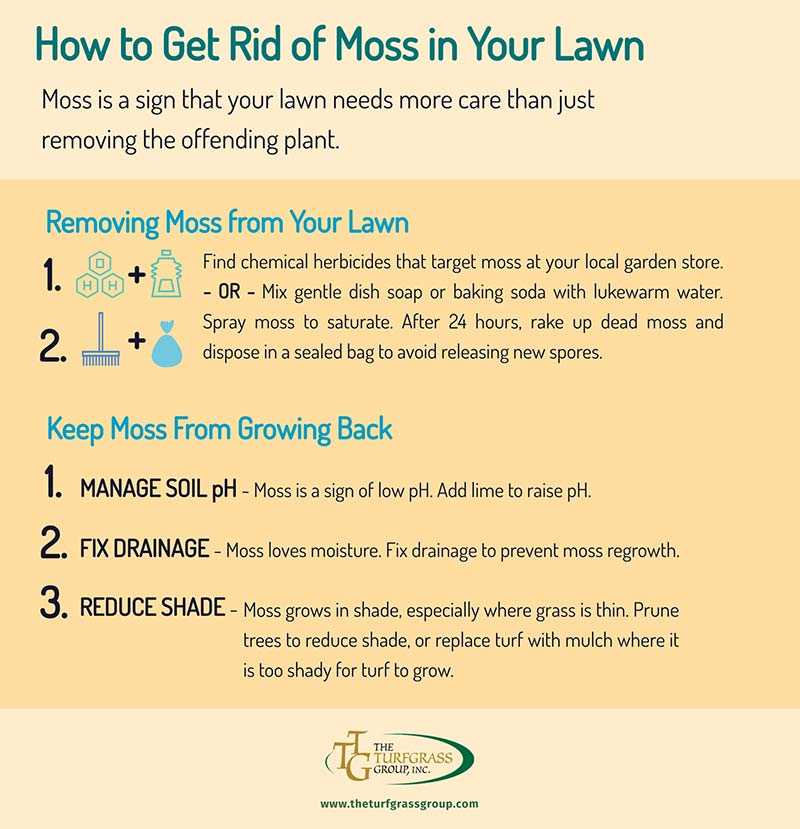
If you’re struggling with an unwanted green carpet of moss in your lawn, you’re not alone. Many homeowners face this problem, but the good news is that there are effective ways to tackle it. To get rid of moss, start by improving the drainage in your yard, adjusting the pH levels of your soil, and ensuring your grass receives adequate sunlight and nutrients. Regular maintenance, such as aeration and dethatching, can also help promote a healthy lawn that discourages moss growth. With a little effort, you can restore your lawn to its lush, green glory and enjoy a healthy outdoor space. Let’s dive deeper into the causes of moss growth and explore practical solutions together.

How To Get Rid Of Moss In Your Lawn
Moss can be a charming addition to a garden, but it often takes over lawns, leaving grass struggling to survive. If you’re facing a moss invasion, don’t worry! This guide will walk you through various methods to eliminate moss and restore your lawn to its former glory.
Understanding Moss: Why It Grows
Before tackling moss in your lawn, it’s crucial to understand what causes it to thrive. Moss typically grows in areas that are:
- Shady: Moss loves low-light conditions and will flourish in spots where grass has difficulty growing.
- Moist: Persistent dampness provides an ideal environment for moss, especially after rainy weather.
- Compact Soil: When soil is compact, grass roots have trouble getting air and water, giving moss a chance to spread.
Identifying the reasons behind moss growth helps create a plan to combat it effectively.
Assessing Your Lawn’s Conditions
Conducting an assessment of your lawn is the first step in reclaiming it from moss. Take note of the following:
- Sunlight Exposure: Observe how much direct sunlight each area receives throughout the day.
- Drainage: Check if water tends to pool in certain spots after it rains.
- Soil Quality: Test the soil to find out if it is compacted, acidic, or lacking nutrients.
By understanding these factors, you’ll be better equipped to take action.
Improving Sunlight and Air Circulation
One effective way to reduce moss is to improve sunlight and air circulation in your yard. Here’s how:
- Prune Overhanging Trees: Trim branches from trees that block sunlight from reaching your lawn.
- Clear Debris: Remove leaves, grass clippings, and other debris that can trap moisture.
Making these changes can encourage grass growth and hinder moss development.
Adjusting Soil pH
Soil pH plays a significant role in the health of your lawn. Moss prefers acidic soil with a pH below 6.0. To create a healthier environment for grass, consider adjusting your soil’s pH level:
- Test Soil pH: Use a soil testing kit to determine your lawn’s current pH level.
- Apply Lime: If the soil is too acidic, apply ground limestone to raise the pH. Follow the recommended rates on the package.
These adjustments will help create conditions more favorable for grass rather than moss.
Improving Drainage
Poor drainage can encourage moss growth. If you notice water pooling in certain areas, taking action to improve drainage will be beneficial:
- Aerate the Soil: Aerating the lawn helps relieve compaction and allows water to penetrate better.
- Create Drainage Channels: If specific spots hold water, consider digging channels or installing drainage pipes.
Better drainage will help keep the soil drier and less hospitable for moss.
Watering Practices
Watering your lawn correctly can also hinder moss growth. Here are some tips to follow:
- Water Deeply but Infrequently: Instead of light daily watering, provide your grass with 1 inch of water every week.
- Water in the Morning: This lets the grass dry during the day, reducing moisture levels when moss thrives.
Following these practices can help keep moss at bay.
Removing Existing Moss
Once you’ve assessed and improved the conditions, it’s time to remove the existing moss. Here are some effective methods:
- Hand Removal: Use a rake to gently lift the moss from your lawn. Be careful not to disturb the grass.
- Moss Killers: Apply commercially available moss killers. Follow the instructions on the label for effective results.
- Vinegar Solution: A mixture of vinegar and water can effectively kill moss. Spray it directly onto the moss, but avoid getting it on your grass.
Removing moss manually or chemically can create a blank canvas for grass to recover.
Overseeding Your Lawn
After removing moss, it’s essential to promote grass growth. This is where overseeding comes into play.
- Choose the Right Grass Seed: Select a type of grass that thrives in your climate and is suitable for the sunlight levels in your yard.
- Evenly Disperse Seeds: Use a seed spreader to ensure even coverage. Follow the recommended seeding rate on the package.
Overseeding helps replenish your lawn and outcompetes any remaining moss.
Regular Maintenance
Maintaining a healthy lawn is key to preventing moss from coming back. Here are some maintenance tips:
- Mow Regularly: Keep your grass at the recommended height, which will help it thrive and compete with moss.
- Fertilize: Apply fertilizer as needed to ensure your grass receives the nutrients it requires.
- Monitor Moisture Levels: Check your lawn regularly to ensure it’s neither too dry nor too wet.
Regular care will strengthen your grass and reduce the likelihood of moss regrowth.
Natural Remedies For Moss Control
If you prefer a more natural approach, consider these alternatives:
- Iron Sulfate: Applying iron sulfate can kill moss while also promoting grass growth. Use as directed on the product label.
- Dish Soap Solution: A mix of dish soap and water can help break down moss. Spray it on mossy areas and allow it to sit before rinsing.
Natural remedies can be effective while being safer for the environment.
Getting rid of moss in your lawn requires understanding its causes, improving your lawn’s conditions, and implementing effective removal methods. By assessing factors like sunlight, drainage, and soil quality, you can create a healthier environment for grass to thrive.
With consistent care and maintenance, your lawn can flourish again. Embrace the journey, keep your lawn healthy, and enjoy a moss-free yard.
Get rid of Moss in Lawn – How To
Frequently Asked Questions
“`html
What are the main causes of moss growth in lawns?
Moss typically thrives in areas with poor drainage, compacted soil, and limited sunlight. It often indicates an imbalance in your lawn’s environment, such as excessive moisture or insufficient nutrients. Additionally, acidic soil conditions can encourage moss over grass growth.
How can I improve my lawn’s drainage to prevent moss?
To enhance drainage, start by aerating your lawn to relieve soil compaction. You can also add organic matter like compost to improve soil structure and encourage better drainage. Installing drainage systems or redirecting water flow can further help prevent water from pooling in vulnerable areas.
What lawn care practices can help reduce moss growth?
Implementing regular mowing and fertilization promotes grass health, which in turn helps outcompete moss. Maintaining a proper mowing height allows sunlight to reach the grass and reduces shade, while periodic fertilization provides essential nutrients to strengthen the lawn.
Is it effective to use chemicals to eliminate moss?
Chemicals can be effective for eliminating moss, but they should be used cautiously. Moss killers typically contain ingredients that target moss without harming grass. However, addressing the underlying conditions that allowed moss to thrive is crucial for long-term control.
How can I manually remove moss from my lawn?
You can manually remove moss using a rake or a dethatching tool. Rake the affected areas thoroughly to lift the moss away from the soil. After removal, improve the lawn conditions by aerating and overseeding to help grass regain dominance in the area.
When is the best time to address moss issues in my lawn?
The best time to tackle moss is during early spring or fall when the weather is cool and moist. This timing allows you to effectively remove moss and take preventative measures before it becomes increasingly difficult to control during the growing season.
“`
Final Thoughts
To get rid of moss in your lawn, focus on improving drainage and sunlight exposure. Reseeding areas with grass and ensuring proper soil pH can also help promote healthy growth. Regular maintenance, such as mowing and aerating, will further discourage moss from returning.
In summary, taking these steps will effectively address the issue of moss. By following these practices, you can enjoy a lush, green lawn free from moss. Remember, knowing ‘How To Get Rid Of Moss In Your Lawn’ makes all the difference in achieving a healthy outdoor space.