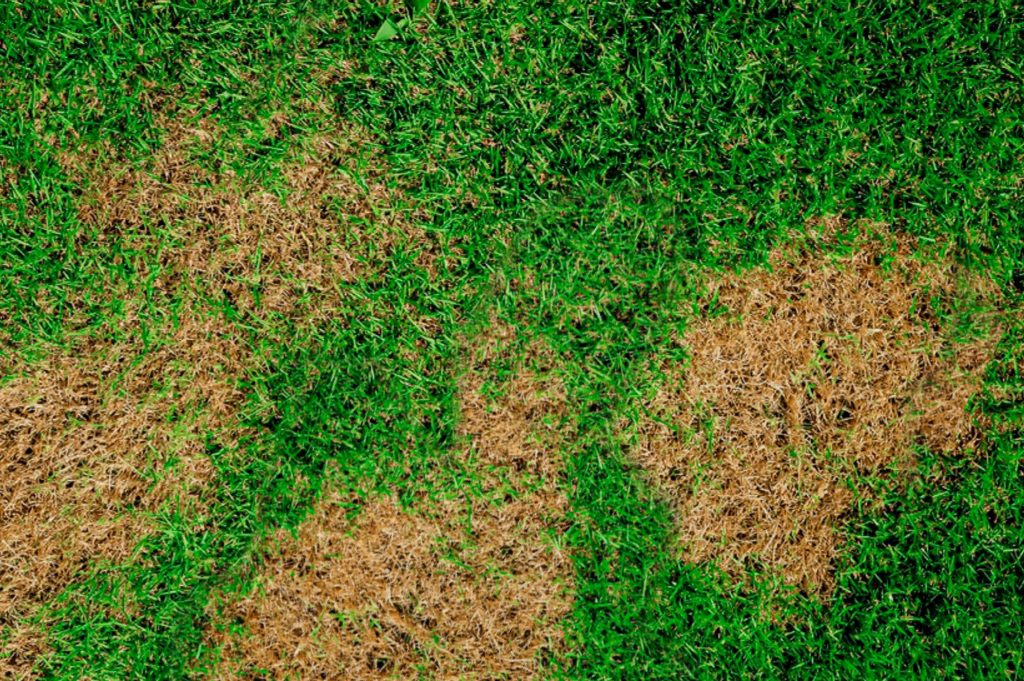
If you’re tired of unsightly brown spots ruining your lawn’s appearance, you’re not alone. Many homeowners face this common issue, but the good news is there are effective ways to tackle it. First, identify the cause of those brown patches—be it pests, disease, or simply lack of water. Once you pinpoint the problem, you can take the necessary steps to restore your lawn’s health. Regular watering, proper mowing, and timely fertilization are key strategies to consider. Additionally, addressing any underlying issues like soil compaction or poor drainage will improve your lawn’s overall resilience. Let’s dive into the specifics of how to get rid of those pesky brown spots and bring your lawn back to life!

How To Get Rid Of Brown Spots In Lawn
Having a lush green lawn is a dream for many homeowners. However, brown spots can turn that dream into a nightmare. Understanding how to eliminate these pesky patches is key to a healthy and beautiful yard. Let’s dive into the various reasons for brown spots and how you can effectively remedy them!
What Causes Brown Spots In Lawn?
Before we can tackle brown spots in your lawn, it’s essential to know what causes them. Understanding the root problem can lead to effective solutions.
- Disease: Fungal infections can cause brown patches in grass. Common diseases include brown patch, dollar spot, and rust.
- Insects: Pests like grubs and chinch bugs can damage grass roots, leading to discoloration.
- Watering Issues: Overwatering or underwatering can both result in brown spots. Grass needs a balanced amount of moisture.
- Soil Compaction: Compact soil limits the air, water, and nutrients available to grass roots.
- Sunlight: Some grass types prefer full sun while others thrive in shade. Mismatch can lead to brown patches.
Identifying the Type of Brown Spots
Not all brown spots are the same. Identifying the type can help in choosing the right treatment.
Fungal Diseases
Fungal diseases often appear in circular patches. If a dark ring surrounds the browning area, it could be a sign of a fungal issue.
Insect Damage
If you notice grass dying in small patches, check for signs of insect activity. Uneven patches or areas where grass pulls out easily may point to grubs.
Watering Problems
Brown spots due to watering issues may be dry and crispy. If the grass appears wilted and dry, it’s likely a sign of underwatering.
Effective Solutions To Get Rid Of Brown Spots
Now that you know the causes, let’s discuss how to get rid of the brown spots taking over your lawn.
Treating Fungal Diseases
If a fungal disease is the culprit, start with these steps:
- Remove Debris: Clear any leaves and lawn debris to increase air circulation.
- Apply Fungicide: Use a fungicide that targets the specific type of fungus affecting your lawn. Always follow the instructions on the label.
- Reseed Affected Areas: If the grass is too damaged, consider reseeding after treatment.
Managing Insect Infestations
Finding grubs or other insects? Here’s how to manage them:
- Use Insecticides: Select an insecticide designed for the specific pest. Apply it according to instructions.
- Encourage Beneficial Insects: Ladybugs and other beneficial insects can help keep pest populations down.
- Maintain Healthy Grass: Healthy grass is less susceptible to pests. Regular mowing, watering, and fertilizing help!
Fixing Watering Issues
Watering habits can make or break your lawn. Here’s how to get it right:
- Adjust Watering Schedule: Water deeply but less frequently. Aim for about 1 inch of water per week.
- Check Drainage: Ensure water is draining properly and not pooling in any areas.
- Use a Soaker Hose: This helps deliver moisture directly to the roots.
Alleviating Soil Compaction
If compacted soil is causing brown spots, it’s time to aerate:
- Use a Core Aerator: This tool removes plugs of soil, allowing air and nutrients to penetrate.
- Topdress with Compost: Applying a thin layer of compost helps improve soil structure and nutrients.
- Avoid Heavy Traffic: Limit foot traffic on your lawn to prevent compaction.
Preventing Brown Spots In The Future
Once you’ve dealt with brown spots, it’s time to consider prevention. A little care goes a long way in maintaining a healthy lawn.
Choose the Right Grass Type
Selecting grass that thrives in your environment is crucial. Consider the sun and shade levels in your yard before planting.
Regular Maintenance
Keeping a regular lawn care schedule helps in preventing issues:
- Mow Regularly: Set your mower to a proper height for your grass type to encourage healthy growth.
- Fertilize Wisely: Use a balanced fertilizer to give your grass the nutrients it needs.
- Water Correctly: Establish a consistent watering routine that meets your grass’s needs.
Keep an Eye on Pests
Regularly inspect your lawn for signs of pests or disease, allowing for early intervention.
Common Lawn Types and Their Needs
Different grass types have unique requirements, affecting their susceptibility to brown spots.
Cool-Season Grasses
These grasses thrive in the northern climate and include Kentucky bluegrass and fescue. They require:
- Cooler temperatures
- Regular watering in dry spells
- Proper mowing height of 2.5 – 4 inches
Warm-Season Grasses
Warm-season grasses like Bermuda grass do well in southern climates. They generally need:
- Full sun exposure
- Less frequent but deeper watering
- Higher mowing settings, around 1-2 inches
Seasonal Lawn Care Tips
Each season offers different challenges and opportunities for your lawn:
Spring
In spring, focus on:
- Fertilizing your lawn to stimulate growth.
- Inspecting for any signs of disease or pests.
Summer
During summer, remember to:
- Water deeply early in the morning.
- Maintain proper mowing height to reduce stress.
Fall
In the fall, concentrate on:
- Preparing your lawn for winter by aerating and overseeding.
- Fertilizing to strengthen roots before the cold months.
Winter
During winter, ensure to:
- Keep foot traffic off the lawn to prevent stress.
- Monitor for snow mold and other winter diseases.
By following these steps and being proactive in your lawn care routine, you can effectively manage and prevent brown spots. With a little effort and knowledge, your lawn can stay healthy and green, becoming the envy of the neighborhood.
How to Get Rid of Brown Patch (4 Easy Steps)
Frequently Asked Questions
What causes brown spots to appear in my lawn?
Brown spots in your lawn typically arise from a variety of factors such as drought, improper watering, excessive heat, soil compaction, or pest infestations. Inconsistent watering schedules can lead to dry patches, while overwatering can promote fungal diseases that also cause discoloration. Additionally, dog urine can create dead patches due to its high nitrogen content.
How can I prevent brown spots from forming in my lawn?
To prevent brown spots, maintain a consistent watering schedule that ensures even distribution across your lawn. Test your soil to determine its pH and nutrient levels, as well-balanced soil promotes healthy grass growth. Aerate your lawn regularly to reduce compaction and encourage deep root growth. Applying mulch can help retain moisture and regulate soil temperature, further preventing the formation of brown patches.
What are some effective treatments for existing brown spots?
For existing brown spots, start by identifying the underlying cause. If it’s due to lack of water, increase irrigation in those areas. If pests or diseases are present, consider using targeted treatments such as insecticides or fungicides as appropriate. Reseeding or patching with fresh sod can also help restore the appearance of brown spots, promoting healthy growth where damage has occurred.
Can fertilizers help in eliminating brown spots?
Yes, fertilizers can help in managing brown spots, but it’s essential to choose the right type and apply it at the correct rates. A balanced fertilizer can encourage healthy grass growth, filling in bare or discolored areas. However, avoid over-fertilizing, as this can lead to more problems, including nutrient burn and increased susceptibility to pests and diseases.
When is the best time to treat brown spots in my lawn?
The best time to treat brown spots largely depends on the underlying cause and the type of grass you have. Generally, early spring or early fall is ideal for reseeding and fertilizing. For pest control, treat as soon as you notice signs of infestation. Fungal diseases often require prompt action, so monitoring your lawn regularly during warmer months is key to effective treatment.
Should I consider professional help for brown spots in my lawn?
If you’ve tried several methods to eliminate brown spots without success, professional help may be beneficial. Lawn care experts can diagnose problems more accurately and suggest tailored solutions. They can also provide services like aeration, overseeding, and specialized treatments that can enhance your lawn’s health and appearance.
Final Thoughts
To get rid of brown spots in lawn, first identify the underlying cause, such as drought, pests, or disease. Once you determine the issue, adjust your watering schedule, treat pests, or enhance soil quality as necessary. Regular lawn maintenance, including mowing and aeration, also plays a crucial role in preventing future brown spots. By implementing these steps, you can effectively manage and restore your lawn’s health, ensuring a vibrant green space. Follow these strategies for effective solutions on how to get rid of brown spots in lawn.