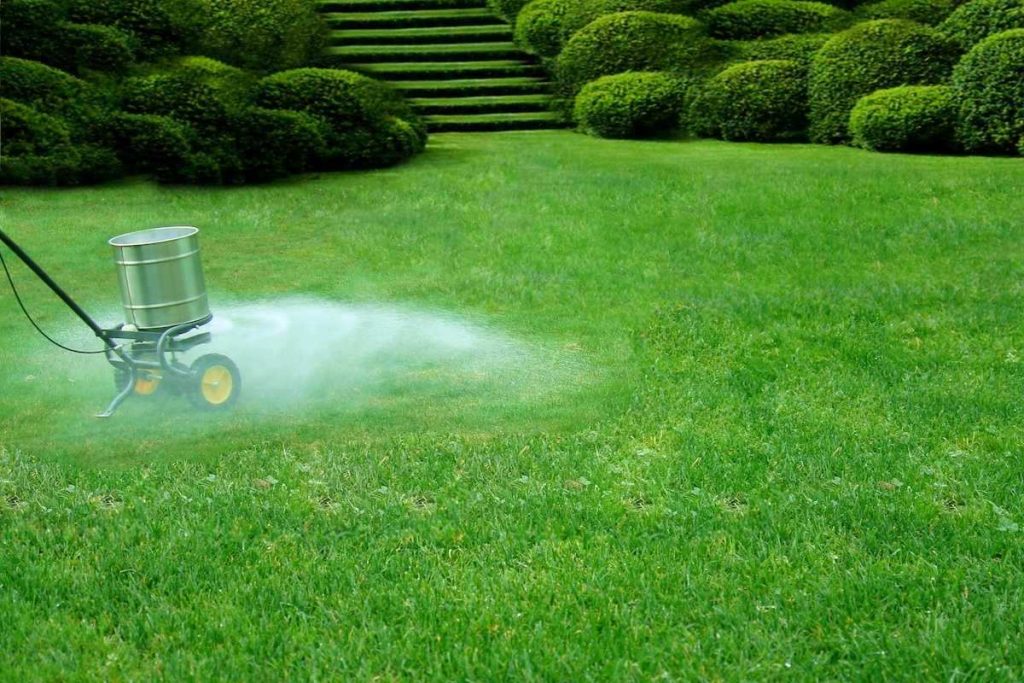
To keep your lawn healthy through winter, give it a trim before the first snowfall, remove leaves regularly, and avoid heavy foot traffic on frosty grass. Apply a winterizer fertilizer to strengthen roots and prevent damage from cold. Cover or mulch exposed areas to protect grass and soil from harsh weather.
In brief, winter lawn care involves preparing your grass before cold weather hits, protecting it from frost and ice, and minimizing stress during the cold months. Proper maintenance during winter ensures your lawn remains lush and vibrant when spring arrives, making it easier to revive and maintain its health year-round.
As winter approaches, many homeowners wonder how to keep their lawns in top shape despite the cold and unpredictable weather. While grass naturally slows down during winter, neglecting your lawn can lead to patchy, unhealthy grass come spring. The key is to adopt a few simple strategies now—trimming, cleaning, and protecting—to help your lawn survive the chilly months. Understanding what your grass needs during winter can make all the difference in maintaining a lush, vibrant yard year after year. So, let’s explore the essential steps to ensure your lawn stays healthy and ready for the warmer months ahead.

Lawn Care During Winter: Protecting Your Lawn in Cold Months
Winter can be tough on your lawn, especially when temperatures drop below freezing. Proper winter lawn care helps keep your grass healthy and ready to grow when spring arrives. Understanding what to do during these months can prevent damage and promote a lush, green yard year after year.
Understanding Your Grass Type and Its Winter Needs
Different grass types respond uniquely to cold weather. Know whether your lawn is cool-season or warm-season grass to adjust your winter care routine accordingly. Cool-season grasses like Kentucky bluegrass and fescue stay green longer and need specific protection, while warm-season grasses such as Bermuda go dormant in winter.
Identify your grass type by consulting local lawn care guides or an expert. This knowledge helps determine mowing heights, fertilization, and other maintenance tasks specific to your lawn’s needs. Properly caring for your grass type minimizes winter stress and enhances spring recovery.
Adjusting Mowing Practices for Winter
As winter approaches, gradually lower your mower blade to keep your grass around two to three inches tall. Shorter grass helps prevent snow mold and reduces disease risk. Avoid mowing when the grass is frozen or wet to prevent damaging the blades.
Leave grass slightly taller than usual if your area experiences heavy snowfall. Taller grass provides insulation for the roots and prevents the soil from freezing too deeply. Proper mowing height is crucial to maintaining healthy grass through the cold months.
Importance of Raking and Leaf Management
Remove fallen leaves regularly to prevent them from smothering the grass. Piled-up leaves can trap moisture leading to fungal infections and mold growth. Use a rake or leaf blower to clear the lawn, especially before snowfalls or rain.
Composting leaves is an eco-friendly way to recycle organic matter. Use leftover leaves as mulch in garden beds or to insulate plants that remain active during winter. Keeping your lawn free of debris promotes airflow and prevents disease.
Applying Winter Fertilizer: When and How
Use a slow-release fertilizer designed for winter application to supply essential nutrients. Fertilize in late fall, around 6 to 8 weeks before the first expected frost. This helps grass store energy and develop strong roots for winter dormancy.
Choose fertilizers with a high potassium content, which boosts cold tolerance. Avoid fertilizing in winter if the ground is frozen or if the grass is fully dormant. Proper fertilization supports a quicker spring green-up and overall lawn health.
Watering Strategies During the Cold Months
Water your lawn only when necessary during winter, typically if there’s an extended dry spell. Deep watering helps keep the soil moist, especially for evergreens and dormant grass. Avoid overwatering, as excess moisture can cause root rot or ice damage.
Water early in the day to allow moisture to soak in before temperatures drop. Mulching around the base of trees and shrubs can help retain soil moisture and insulate roots. Keep an eye on weather patterns to adjust your watering schedule accordingly.
Dealing with Snow and Ice on Your Lawn
Snow acts as an insulator, protecting the grass from extreme cold, but too much can cause problems. Heavy, compacted snow or ice can damage grass blades and promote fungal disease. Use a broom to gently remove snow from your lawn if it becomes excessively heavy.
Be cautious when applying ice melt products, as some can harm grass and soil. Choose pet-safe and eco-friendly options, and apply them sparingly. Avoid walking on frozen lawns to prevent compaction and root damage.
Protecting Your Lawn from Pests and Diseases
Winter threats like fungal diseases and pests can weaken lawns if not managed properly. Ensure good air circulation by trimming overgrown areas and removing debris. Avoid overwatering, which creates conditions conducive to fungal growth.
Apply fungicides only if necessary and follow instructions carefully. Keep an eye out for signs of pests, especially in early spring, to prevent infestations from establishing. Proper winter lawn care reduces vulnerabilities and prepares your yard for a healthy new season.
Applying Mulch and Covering Sensitive Areas
Use mulch around trees, shrubs, and flower beds to insulate roots and prevent frost heave. A thick layer of organic mulch like wood chips or straw provides insulation and prevents soil erosion. Cover delicate plants with frost cloths or burlap to shield them from harsh weather.
This protective layer helps maintain consistent soil temperatures and prevents frost damage. Keep mulch a few inches away from plant stems to avoid rot. Proper mulching promotes healthy root systems and reduces winter stress for plants.
Planning for Spring Lawn Recovery
Start preparing your lawn for spring by aerating once winter ends or soil conditions allow. Aeration reduces soil compaction and increases oxygen flow to grass roots. Overseeding can fill in thin or bare spots, setting the stage for lush growth.
Apply a balanced fertilizer to stimulate new growth once the soil warms up. Reseeding and fertilizing early help your lawn recover quickly and look vibrant. Regular maintenance during winter ensures your yard is ready for a beautiful spring.
Additional Tips for Winter Lawn Care
- Limit foot traffic on frozen or snow-covered lawns to prevent damage.
- Review and update your lawn care plan based on seasonal weather changes.
- Keep tools clean and sharp for efficient use when spring arrives.
- Monitor weather forecasts to schedule lawn care activities appropriately.
Remember, patience and consistent care during winter pay off with a healthy, resilient lawn. Protecting your grass from cold damage and pests ensures your yard remains beautiful when the snow melts away. With proper planning, your lawn will be ready to flourish in the warmer months.
Guide for Winter season lawn
Frequently Asked Questions
How can I prevent my lawn from getting damaged during winter?
Proper lawn care during winter involves minimizing foot traffic on frozen or snow-covered grass to avoid damage. Keep your lawn free of debris and avoid excessive use of salt or chemicals that can harm grass and soil. Additionally, aerate your lawn before winter to improve drainage and reduce soil compaction, helping grass roots stay healthy despite the cold. Applying a winter fertilizer can also help grass remain vigorous and better prepared for the cold season.
What steps should I take to prepare my lawn for the arrival of snow?
Before snow arrives, mow your lawn to the recommended height for your grass type. Reseed any thin or bare patches to promote healthy grass growth. Remove leaves, sticks, and other debris to prevent mold and pests. Consider applying a layer of compost or composted manure to provide nutrients and improve soil health. Also, mark sprinkler heads and underground cables to avoid damage when clearing snow or ice.
Is it necessary to water my lawn during winter?
In most cases, you don’t need to water your lawn during winter, especially if there’s regular snowfall, as melting snow provides sufficient moisture. However, if winter weather is dry and extends for a long period, providing a deep watering before the ground freezes can help maintain soil moisture levels. Avoid overwatering, which can lead to waterlogged soil and root issues during the cold months.
When is the best time to fertilize my lawn in winter?
The ideal time to fertilize your lawn in winter is late fall or early winter, depending on your region. Use a slow-release fertilizer that supplies nutrients gradually, helping grass roots withstand the cold. Applying fertilizer before the ground freezes allows nutrients to penetrate deeply, supporting grass health and preparing it for the spring growth season.
How should I handle moss and weeds during winter?
Winter offers a good opportunity to manage moss and weeds because they become less active in cold weather. Rake out moss and weeds carefully to prevent them from spreading. Consider applying a moss control product if moss becomes a persistent problem. Improving drainage and soil aeration helps reduce moss growth by limiting excess moisture. Once spring arrives, you can follow up with targeted treatments to keep your lawn healthy.
Final Thoughts
Lawn care during winter helps protect your grass from harsh weather conditions. Keep leaves cleared to prevent mold and pests from settling. Avoid heavy foot traffic on frozen ground to minimize damage.
Applying a winter fertilizer can boost grass health for spring growth. Additionally, aerate your lawn to improve drainage and air circulation.
Focusing on these winter lawn care tips ensures a healthy, lush lawn when warmer weather returns. Proper care now prevents long-term damage and promotes vigorous growth.