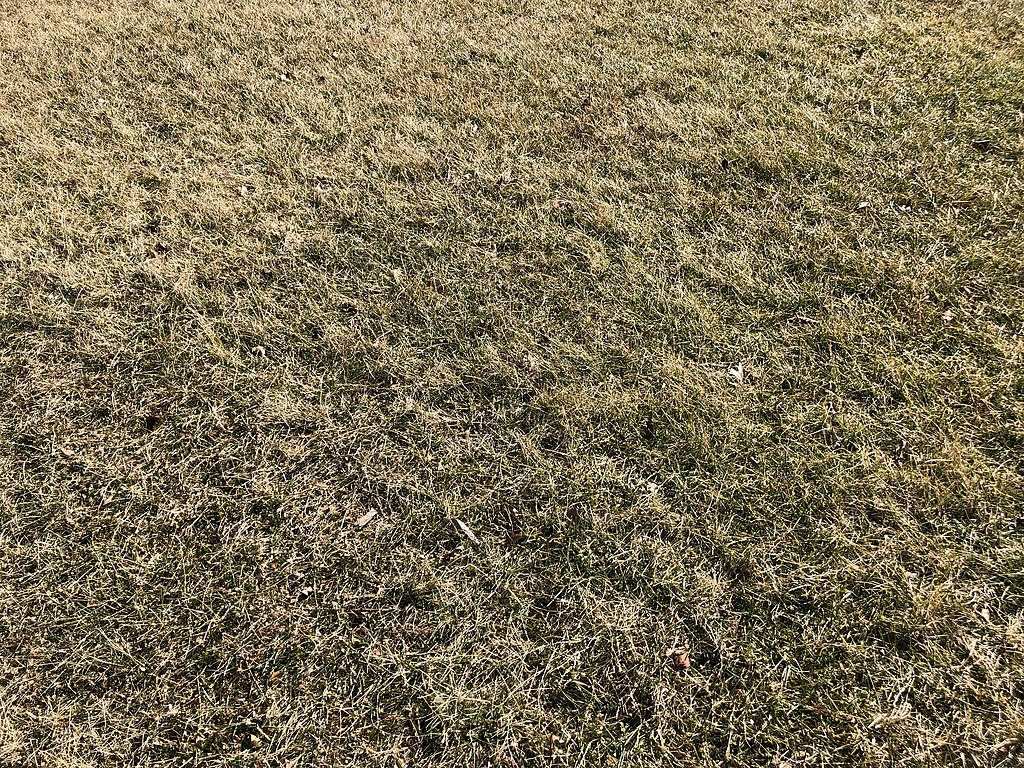
Reviving your lawn after a long winter is easier than you think with the right care. Start by removing debris, aerating the soil, and applying a nutrient-rich fertilizer to give your grass a fresh start. Consistent watering and overseeding can turn patchy spots into lush, green turf.
A quick remedy for lawn care after winter is to clear away debris, aerate compacted soil, and fertilize to encourage healthy growth. Regular watering, overseeding, and proper mowing will help restore your yard’s vibrant appearance.
As winter recedes, your garden needs some TLC to bounce back to its full glory. The transition from snow to sunshine can leave your lawn looking tired and patchy, but with strategic steps, you can kickstart healthy growth. Removing winter debris, aerating the soil to improve airflow and root development, and applying a balanced fertilizer will set a strong foundation for your lawn. Additionally, overseeding helps fill in bare spots, while consistent watering ensures the grass gets the hydration it needs to thrive. Giving your lawn a little attention now will reward you with a lush, green landscape you’ll enjoy all season long.

Lawn Care After Winter: The Ultimate Guide to a Healthy, Green Lawn
Understanding the Impact of Winter on Your Lawn
Winter can be tough on your lawn, especially in colder climates. Snow, ice, and prolonged periods of cold can cause damage to grass and soil. You might notice brown patches, thinning grass, or even bare spots once winter ends. Recognizing these signs helps you plan the right steps to restore your lawn’s health.
Heavy snow can smother grass, leading to fungal growth and disease. If snow stays on your lawn for too long, it prevents sunlight from reaching the grass. This can weaken the grass’ ability to recover once warmer weather arrives. Cold temperatures may also cause root systems to become dormant or damaged.
Soil conditions change during winter, often becoming compacted and deprived of oxygen. This can hinder grass growth and make your lawn more vulnerable to weeds and pests in spring. Understanding these effects encourages proactive lawn care measures right after winter.
Early Signs of Winter Damage to Look For
Once winter is over, walk across your lawn to check for signs of damage. Look for patches of brown or yellow grass that didn’t turn green in spring. Areas with uneven growth or bare spots are clues to where the grass struggled during winter.
If you see mushrooms or fungal growth on your lawn, it indicates excess moisture and decaying organic matter. These can spread if not addressed early. Also, inspect for compacted soil, which makes it harder for roots to spread and absorb nutrients.
Being aware of these issues helps you prioritize your spring lawn care routine. Catching problems early makes repairs easier and less costly in the long run.
Preparing Your Lawn for Spring Recovery
Before you start any major lawn work, make sure the ground isn’t frozen or overly wet. Wait until the soil has thawed and dried enough for tools to work without causing damage. Rushing into early planting or aeration can do more harm than good.
Remove debris such as leaves, twigs, and fallen branches that accumulated during winter. These materials can smother grass and foster disease. Raking gently helps clear the surface while encouraging new growth.
Applying a light layer of compost or organic matter can boost soil nutrients. This creates a healthier environment for grass roots to grow. Remember, healthy soil is the foundation for a lush, green lawn.
Reseeding and Repairing Bare Patches
Bare patches are common after a harsh winter. To repair these spots, start by loosening the soil with a rake or garden fork. This improves aeration and helps new grass seeds establish properly.
Use high-quality grass seed suited to your climate and soil type. Spread the seed evenly over the prepared area, then lightly press it into the soil. Cover the seeds with a thin layer of compost or soil to keep them moist and protected.
Water these areas regularly, ensuring the soil stays consistently damp but not soaked. This encourages germination and vigorous growth. Patience is key, as new grass may take a few weeks to fully establish.
Soil Testing and Nutrient Management
Getting a soil test in early spring gives you vital information about nutrient levels and pH balance. Knowing this helps you choose the right fertilizer and amend the soil as needed.
Most soil testing kits are simple to use and provide results within a few days. Based on the results, apply a balanced fertilizer that promotes healthy root and leaf growth. Focus on nitrogen, phosphorus, and potassium levels, which are essential for lawn vitality.
Correcting soil acidity or alkalinity improves nutrient absorption. This results in a lusher, greener lawn with fewer problems from pests or disease. Regular soil tests every few years help maintain optimal growing conditions.
Fertilizing Your Lawn After Winter
Fertilizer provides essential nutrients that kick-start your lawn’s recovery process. The best time to fertilize is once the grass begins actively growing, usually in early spring.
Choose a fertilizer formulated for your grass type, whether it’s cool-season or warm-season. Apply it evenly, following the manufacturer’s instructions for quantity and timing. Too much fertilizer can cause runoff and environmental issues.
A slow-release fertilizer gives your lawn nutrients gradually, promoting steady growth. Avoid applying fertilizer on frozen or muddy ground, as this can lead to runoff and pollution. Proper fertilization encourages lush, dense, and healthy grass.
Proper Mowing Practices in Spring
Mowing is a crucial part of lawn care after winter. When mowing for the first time, use a taller grass height—around two to three inches—to protect new shoots. Cutting the grass too short can stress the plants and slow recovery.
Keep mower blades sharp to ensure clean cuts, which help prevent disease. Mow frequently enough to remove no more than one-third of the grass height at a time. This promotes healthy growth and reduces the risk of pests.
Adjust mowing height as the season progresses to match grass growth. Regular mowing keeps your lawn looking tidy and encourages thicker, denser turf. Remember, sharp blades and proper mowing height are essential for a healthy lawn.
Aeration and Overseeding for Lawn Revival
Aeration involves creating small holes in the soil to improve airflow, water penetration, and nutrient absorption. Use a core aerator to remove plugs of soil, especially if your soil is compacted from winter.
Following aeration, overseeding fills in thin or bare areas and promotes a thicker lawn. Spread grass seed evenly over the aerated surface and water regularly to ensure good germination.
Both practices help your lawn recover faster from winter stress. They also reduce thatch buildup and improve overall turf health. Consider these steps if your lawn looks patchy or sluggish after winter.
Controlling Weeds and Pests Early
Early spring is the best time to tackle weeds and pests before they become major problems. Use a pre-emergent weed control if weeds are a recurring issue. Apply it before weeds sprout for best results.
Identify pests that may have overwintered on your lawn, such as grubs or ants. Use appropriate treatments to manage infestations and protect new grass growth. Regular monitoring keeps weeds and pests in check.
Promoting a healthy, dense lawn naturally reduces the chances of weed and pest invasions. Maintain proper watering, fertilization, and mowing practices to strengthen your turf against unwanted invaders.
Watering Strategies During Spring Recovery
Consistent watering is essential to help your lawn recover after winter. Provide about one inch of water per week through rainfall or supplemental watering. Water deeply to encourage deep root growth.
Adjust watering as the weather warms, but avoid overwatering. Too much water can lead to disease and fungal problems. Water early in the morning to minimize evaporation and suppress fungal growth.
Monitoring soil moisture helps you avoid underwatering or overwatering. Using a rain gauge or moisture meter can assist in maintaining optimal soil conditions. Proper watering promotes healthy, resilient turf.
Maintaining Your Lawn for Long-Term Success
Good lawn care is an ongoing process that extends beyond spring. Regular fertilization, mowing, and watering keep your lawn lush and green. Schedule lawn aeration and overseeding annually to maintain turf quality.
Control weeds, pests, and diseases proactively to prevent damage. Keep an eye on soil health and correct deficiencies promptly. Proper lawn maintenance improves drought tolerance and overall resilience.
By staying consistent with your lawn care routine, you can enjoy a beautiful yard year-round. Healthy, well-maintained grass not only looks inviting but also provides a safe space for family and friends.
How When and Why To Winterize Your Lawn
Frequently Asked Questions
How can I assess the damage to my lawn caused by winter weather?
Start by closely inspecting your lawn for bare patches, brown or discolored grass, and uneven areas. Rake away any debris such as leaves or dead grass to get a clear view of the soil. Check for compacted soil or signs of pests and disease. Taking these steps helps you identify specific areas that need attention and guides your recovery efforts effectively.
What are the best practices for aerating and reseeding my lawn after winter?
Aerate your lawn to alleviate soil compaction and improve air, water, and nutrient flow. Use a core aerator to remove plugs of soil, making it easier for roots to grow. After aerating, apply a quality seed mixture suited to your grass type, spreading it evenly across the lawn. Water the area thoroughly to promote germination and establish healthy new growth.
When should I fertilize my lawn in early spring for optimal growth?
Apply a balanced, slow-release fertilizer once you see consistent signs of new growth, usually a few weeks after winter. Avoid fertilizing too early, as this can encourage weak, tender shoots vulnerable to late frosts. Timing your fertilization ensures your lawn gains the nutrients it needs for strong and healthy development during the growing season.
How can I prevent weeds from taking over after winter recovery?
Maintain a healthy, dense lawn by regular mowing, watering, and fertilizing, which naturally discourages weeds. Apply a pre-emergent herbicide early in the season if weeds are a common problem. Remove existing weeds carefully by hand or with selective herbicides, ensuring you avoid damaging your grass. Consistent lawn care minimizes space for weeds to establish and flourish.
What steps should I take to control pests and diseases that may emerge in spring?
Monitor your lawn regularly for signs of pests or disease, such as discolored patches or visible insects. Keep your lawn healthy through proper watering, mowing, and fertilization, which enhances its resistance. If pests or disease appear, treat affected areas promptly with appropriate controls, and consider consulting a lawn care professional for targeted solutions. Acting early prevents minor issues from escalating.
Final Thoughts
Lawn care after winter is essential to revive your yard and prepare it for the warmer months. Reseed bare patches and remove debris to promote healthy growth. Fertilize appropriately to give your grass the nutrients it needs. Regular mowing and watering will maintain its lush appearance. Consistent attention ensures your lawn stays healthy and vibrant throughout the season.