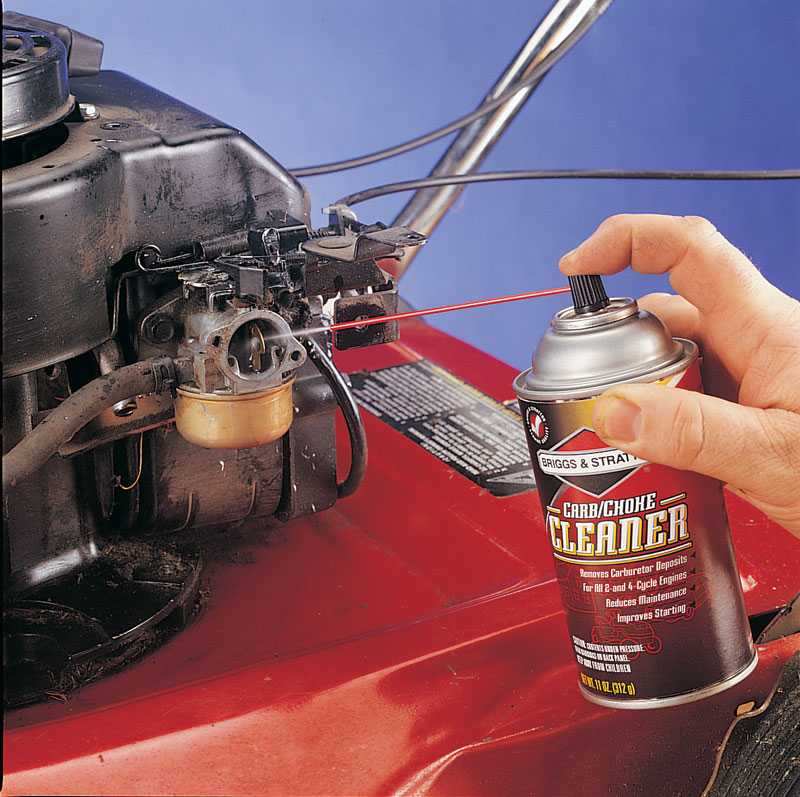
To clean a lawn tractor’s carburetor quickly, start by removing the air filter and disconnecting the fuel line, then take out the carburetor. Soak it in carburetor cleaner, scrub away deposits, and reassemble. This simple process restores your tractor’s performance efficiently and prevents costly repairs down the line.
Regular maintenance of your lawn tractor’s carburetor is essential for smooth operation and consistent mowing. A dirty carburetor can cause engine stalling, poor acceleration, or difficulty starting. Fortunately, cleaning it isn’t complicated — with the right tools and some basic steps, you can keep your tractor running like new. In this guide, I’ll walk you through how to properly clean your carburetor, ensuring your lawn mower stays reliable throughout the season. Whether you’re a seasoned DIYer or a casual gardener, understanding this process can save time and money while keeping your yard looking perfect.

How to Clean Carburetor Lawn Tractor: A Step-by-Step Guide
Cleaning the carburetor on your lawn tractor is essential to keep it running smoothly. Over time, dirt, debris, and old fuel can clog the carburetor, causing it to malfunction or even stop working. This process might sound complicated, but with the right tools and patience, you can do it yourself at home.
Understanding the Role of the Carburetor
The carburetor mixes air and fuel before sending it to the engine. If this mixture becomes blocked or dirty, your lawn tractor’s engine won’t start correctly or may run roughly. Knowing how the carburetor functions helps you understand why cleaning it can improve your mower’s performance.
Signs Your Carburetor Needs Cleaning
- Engine stalls or sputters during operation
- Difficulty starting the tractor
- Engine runs unevenly or loses power
- Black smoke from the exhaust
- Fuel leaks around the carburetor
Tools and Supplies Needed for Cleaning
Before starting, gather these essential items:
- Wrenches or socket set
- Carburetor cleaner spray
- Small brush or toothbrush
- Clean cloth or rags
- Screwdriver (flat or Phillips)
- Replacement gasket(s) if needed
- Container for soaking parts
- Safety gloves and goggles
Preparing Your Lawn Tractor for Cleaning
First, turn off the engine and let it cool down. Disconnect the spark plug wire to prevent accidental starting. Move your lawn tractor to a well-ventilated area and gather all tools within reach for efficiency.
Removing the Carburetor
Step-by-step Process
- Locate the carburetor, usually found near the air filter.
- Remove the air filter cover and filter to access the carburetor.
- Loosen the clamps or screws securing the air intake tube.
- Unscrew the mounting bolts holding the carburetor in place.
- Carefully disconnect fuel lines and linkages, noting their positions for reassembly.
Inspecting the Carburetor
Once removed, examine the carburetor for signs of damage or excessive dirt. Check the float, jets, and choke for obstructions. Remove any debris or buildup carefully with a brush or compressed air.
Cleaning the Carburetor
Using Carburetor Cleaner
Spray the carburetor cleaner generously inside all openings, jets, and passages. Allow the cleaner to sit for a few minutes to dissolve grime. Use a small brush to scrub stubborn deposits gently.
Soaking Components
For heavily blocked parts, soak the carburetor or individual parts in a container of carburetor cleaner. This process helps loosen stubborn residues and restores proper flow.
Cleaning the Jets and Passages
Focus on the main jet, slow jet, and passages that fuel flows through. Use a fine wire or brush to clear clogs carefully. Be gentle to avoid enlarging the passages, which could affect performance.
Replacing Worn or Damaged Parts
If you find cracked gaskets, worn float pins, or damaged jets, replace them with new parts. Proper seals prevent leaks and ensure correct fuel flow. Always use manufacturer-approved replacements for best results.
Reassembling the Carburetor
Putting It Back Together
- Reattach the cleaned or replaced parts, ensuring all jets and passages are clear.
- Install new gaskets if needed to prevent leaks.
- Reconnect fuel lines and linkages according to your notes or images taken earlier.
- Secure the carburetor back onto the engine with bolts and clamps.
Testing Your Repaired Carburetor
Reconnect the spark plug wire and start the lawn tractor. Observe its performance; it should start easily and run smoothly. If issues persist, double-check the installation or revisit the cleaning process.
Preventing Future Carburetor Problems
- Use fresh, clean fuel and add fuel stabilizer if needed.
- Replace the fuel filter regularly to prevent debris from reaching the carburetor.
- Check and replace the air filter to keep dirt from entering the carburetor.
- Perform routine maintenance and inspections, especially after winter storage.
Additional Tips for Maintaining Your Lawn Tractor
Regular maintenance extends the life of your equipment. Keep the engine clean, change the oil periodically, and ensure all parts are lubricated and functioning correctly. These small steps help avoid costly repairs and keep your mower running at peak performance.
Understanding When to Seek Professional Help
If cleaning the carburetor does not resolve the issue or if you find damaged parts beyond your skill level, consider consulting a professional. Proper repair ensures safety and preserves your equipment’s longevity.
How remove and clean a carburetor on a riding lawn mower.
Frequently Asked Questions
What are the initial steps to take before cleaning the carburetor of a lawn tractor?
Before cleaning the carburetor, disconnect the spark plug wire to prevent accidental starting. Drain the fuel from the tank to avoid spills and fire hazards. Remove the air filter to access the carburetor and take note of how it is connected to ensure proper reassembly. It’s also helpful to clean or replace the air filter if it appears dirty or clogged.
How can I safely remove the carburetor from my lawn tractor for cleaning?
Start by turning off the engine and disconnecting the spark plug wire. Loosen the clamps or bolts securing the air filter and intake hose, then carefully detach these components. Unscrew the mounting bolts holding the carburetor in place, gently lift it out, and keep track of all small parts for reassembly. Use a clean workspace to prevent losing any screws or connectors.
What are effective methods to clean the internal passages of a lawn tractor carburetor?
Use carburetor cleaner spray to loosen built-up dirt and varnish inside the passages. Spray liberally into the jets and main passages, allowing time for the cleaner to dissolve debris. For stubborn clogs, use compressed air to blow out the passages—be sure to wear safety goggles and gloves. Avoid using sharp objects that could damage the internal components.
How do I ensure the carburetor is properly reassembled after cleaning?
Compare the cleaned carburetor with the initial assembly to verify all parts are in place and free of debris. Reinstall the carburetor onto the engine, tightening bolts securely but avoid over-tightening. Reattach the intake hose and air filter correctly, ensuring there are no leaks. Reconnect the spark plug wire and add fresh fuel before testing the tractor.
Are there signs to watch for after cleaning to confirm the carburetor functions correctly?
Start the lawn tractor and observe its operation. It should run smoothly without sputtering or hesitation. If the engine stalls or runs unevenly, double-check the assembly, fuel lines, and air filter. Regular maintenance and cleaning help maintain optimal performance and prevent future carburetor issues.
Final Thoughts
To clean a carburetor lawn tractor efficiently, start by removing the carburetor from the engine. Use a carburetor cleaner spray to loosen dirt and varnish deposits. Scrub gently with a brush, then rinse with clean water and let it dry thoroughly.
Reassemble the carburetor carefully, ensuring all parts are correctly fitted. Regular maintenance of the carburetor keeps the lawn tractor running smoothly. Ultimately, knowing how to clean carburetor lawn tractor extends its lifespan and improves performance.