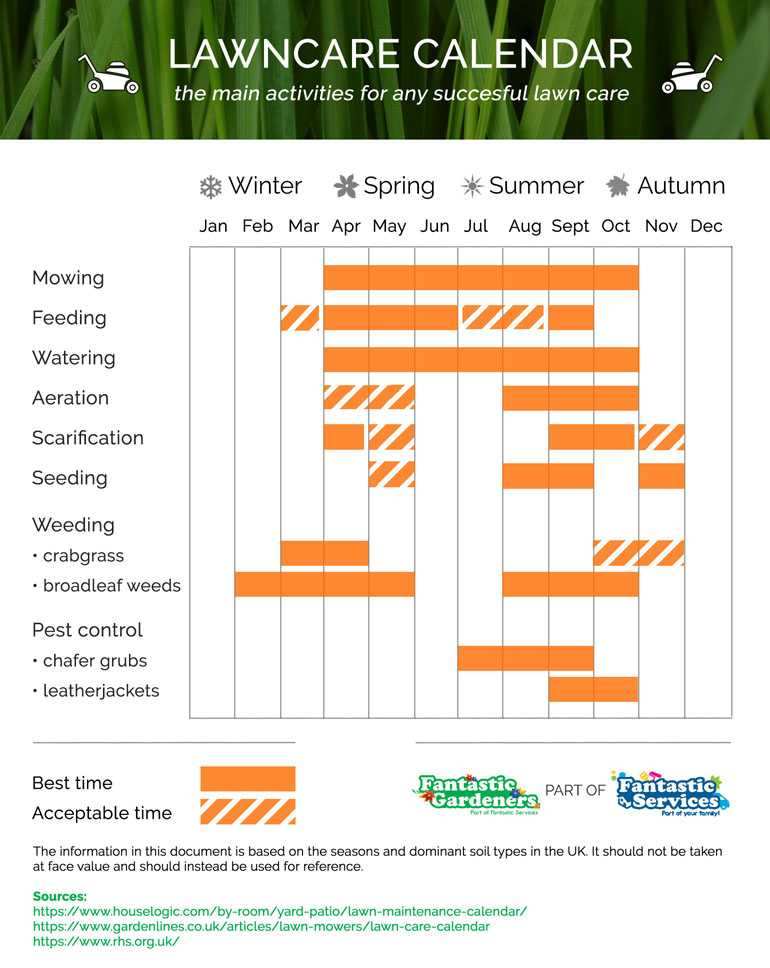
To keep your lawn lush and healthy through the chilly UK winter, start by trimming your grass slightly shorter before the worst weather hits, and avoid heavy foot traffic on frozen ground. Use a rake to clear fallen leaves and debris, and consider applying a winter fertilizer to boost resilience. Protect vulnerable areas with turf rolls or mulch, and keep off the lawn during frosty mornings to prevent damage. With the right care, your lawn will bounce back vibrant and green once spring arrives!
In winter, lawn care in the UK involves minimal mowing, regular leaf clearance, and protective measures like fertilization and mulching. It’s important to avoid damage from frost and heavy usage, preparing your grass to recover quickly come spring. Proper winter maintenance can help preserve your lawn’s health throughout the colder months.
Keeping your lawn in tip-top shape during UK winters might seem daunting, but with simple steps, you can protect your outdoor space from harsh weather and ensure it remains healthy. As temperatures drop, your grass enters a period of dormancy, which means less frequent mowing but more focus on protection and upkeep. By understanding the specific needs of your lawn during winter, you can prevent damage from frost, snow, and ice. This proactive approach not only preserves the beauty of your garden but also reduces the workload in spring. From clearing leaves to applying winter fertilizers and avoiding trampling on frozen patches, every small effort counts towards a thriving lawn when warmer days arrive.

Lawn Care in Winter UK: A Complete Guide to Keeping Your Lawn Healthy
Understanding the UK Climate and Its Impact on Lawns During Winter
Winter weather in the UK can vary greatly, from frosty mornings to mild, rainy days. These conditions affect the grass and soil in different ways. Cold temperatures can slow down grass growth, but they also increase the risk of damage from frost and snow.
Soil naturally becomes wetter during UK winters due to increased rainfall. Excess moisture can cause compaction, which harms root systems. Understanding these climate patterns helps plan suitable lawn care routines that protect grass during colder months.
Protecting Your Lawn from Frost and Snow Damage
Frost and snow may look beautiful but can damage your lawn if not managed carefully. A thick layer of snow can smother grass, leading to suffocation and disease. Frost can cause the grass blades to freeze, resulting in browning or breaking.
To shield your lawn, avoid walking on frozen grass, as it can cause tears and damage. Use a broom to gently remove snow from the grass surface if it’s heavy. Consider applying a layer of mulch or straw on the lawn surface to insulate the grass and prevent frost damage.
Winter Lawn Mowing: To Cut or Not to Cut?
During winter, your lawn needs less frequent mowing because grass growth slows down significantly. In fact, cutting the grass too short can weaken the plant, making it less resilient against cold.
Keep mower blades sharp and set them higher than usual, around 2.5 to 3 inches, to avoid stressing the grass. Mowing should only be done during dry, frost-free days, as wet or frozen grass can clog mower blades and cause uneven cuts.
When to Stop Mowing
Most lawns benefit from not being mown after late autumn when growth naturally slows. Monitor your grass for signs of green growth; if it stops actively growing, it’s best to leave it untouched. Stopping mowing allows the grass to concentrate energy on root development and winter hardiness.
Feeding Your Lawn in Winter: Is It Necessary?
In winter, grass enters a period of dormancy, so fertilizing isn’t always essential. However, light feeding with a winter-specific fertilizer can support root health and prepare the lawn for spring.
Choose a low-nitrogen, slow-release fertilizer that provides essential nutrients without encouraging excessive growth. Apply fertilizer during mild, frost-free days to avoid runoff and ensure absorption.
Avoid Overfeeding
Overfeeding can lead to soft, weak grass that may be more susceptible to pests and disease. Focus primarily on maintaining soil quality and providing nutrients that promote root strength rather than lush topgrowth during winter months.
Dealing with Weeds, Moss, and Pests in the Cold Season
Winter is less active for pests and weeds, but some species survive and can be problems come spring. Moss is common in UK lawns during winter, especially in shady, damp areas.
Use moss killers designed for winter application, and improve drainage and sunlight exposure to discourage moss growth. For weeds, hand removal or targeted herbicides can be effective, but avoid broad chemical use in cold weather as they may be less effective.
Managing Soil and Drainage in Winter
Poor drainage and compacted soil worsen winter turf health. Before winter, aerate the lawn to improve airflow and reduce waterlogging. This process creates small holes that allow excess moisture to drain more quickly and air to reach roots.
Adding organic matter such as compost helps improve soil structure and boosts nutrient availability. Proper drainage reduces the risk of winter disease and keeps the turf healthier.
Lawn Repair and Reseeding During Winter
Winter is not ideal for extensive reseeding, but patching and preparing for spring are worthwhile. Remove any dead or damaged grass and loosen the soil to improve seed-to-soil contact.
Use a suitable grass seed for UK climates, and lightly water the patches to promote germination when the weather warms. Reseeding in late winter ensures that your lawn will be thicker and healthier when growth resumes in spring.
Practical Tips for Lawn Maintenance During UK Winters
- Clear debris such as fallen leaves and twigs to prevent fungal diseases
- Limit foot traffic on frozen or muddy lawns to avoid damage
- Water cautiously during mild, dry spells to keep soil moist but not waterlogged
- Use snow and frost protection measures like mesh covers or straw mulch
- Regularly monitor your lawn for signs of pests, disease, or damage
Using Lawn Care Tools and Equipment Effectively
Ensuring your tools are in good condition is key for winter lawn care. Clean and sharpen mower blades to make mowing easier and prevent tearing grass.
Store equipment properly to prevent rust and damage during winter months. Investing in aerators and soil testers can help you prepare your lawn during autumn for better winter resilience.
Emphasizing a Preventative Approach
Prevention is more effective than cure during winter. Aerate early in autumn to reduce soil compaction. Apply appropriate fertilizers and moss treatments proactively to minimize issues.
Regularly inspecting your lawn allows you to catch problems early, reducing the need for extensive repairs later. Proper planning and early action keep your lawn healthier and easier to maintain through cold months.
Taking care of your UK lawn in winter involves understanding weather patterns, protecting grass from frost and snow, adjusting mowing and feeding routines, and managing soil health. Small, consistent actions create a resilient lawn ready for the upcoming spring. By following these tips, you can ensure your outdoor space remains vibrant and healthy year-round.
How When and Why To Winterize Your Lawn
Frequently Asked Questions
When is the best time to mow my lawn during the winter months in the UK?
In winter, you should avoid mowing your lawn unless the grass is actively growing, which is rare in colder weather. If you notice the grass is growing and the weather is mild, cut the lawn to a slightly higher height to prevent stress on the grass and protect it from the cold. Typically, avoid mowing once temperatures drop below freezing, as this can damage the turf.
How can I prevent moss from taking over my lawn in winter?
Moss thrives in damp, shaded, and poorly drained areas. To prevent moss growth, improve drainage by aerating the soil and removing excess thatch. Keep the lawn as dry as possible and trim overhanging branches to reduce shade. Applying a moss control treatment in early winter can also help suppress existing moss and discourage new growth.
What measures should I take to protect my lawn from frost damage?
To shield your lawn from frost, avoid walking on the grass during icy conditions, which can cause damage. Keep the soil healthy by aerating and fertilizing properly before winter sets in, helping the grass recover quickly if frost does occur. You can also cover delicate patches with straw or a frost cloth during particularly cold nights for added protection.
Should I fertilize my lawn during the winter months in the UK?
It’s best to skip heavy fertilization during winter, as grass growth slows down significantly. However, applying a winter-ready fertilizer with low nitrogen content in late autumn can help strengthen the roots and prepare the grass for the colder months. Focus on maintaining soil health rather than encouraging active growth during winter.
How can I manage leaf fall effectively to keep my lawn healthy over winter?
Regularly rake or use a leaf blower to remove fallen leaves from your lawn. Accumulated leaves can block sunlight, promote disease, and smother the grass. Aim to clear leaves frequently, especially during windy days, to allow proper air circulation and reduce the risk of fungal issues. Compost the collected leaves or use them as mulch in other garden areas.
Final Thoughts
Lawn care in winter UK requires minimal effort but consistent attention. Keep the grass clear of debris to prevent disease and promote healthy growth. Avoid heavy foot traffic to reduce soil compaction.
Adjust mowing height to leave grass slightly taller, shielding roots from cold. Fertilize sparingly, focusing on winter-friendly options to strengthen the lawn. Aerate if the soil becomes compacted to improve drainage.
Overall, proper winter lawn care helps maintain a healthy, green space despite colder months. Following these steps ensures your lawn stays vibrant and ready for growth in spring. Lawn care in winter UK should be straightforward but deliberate for optimal results.