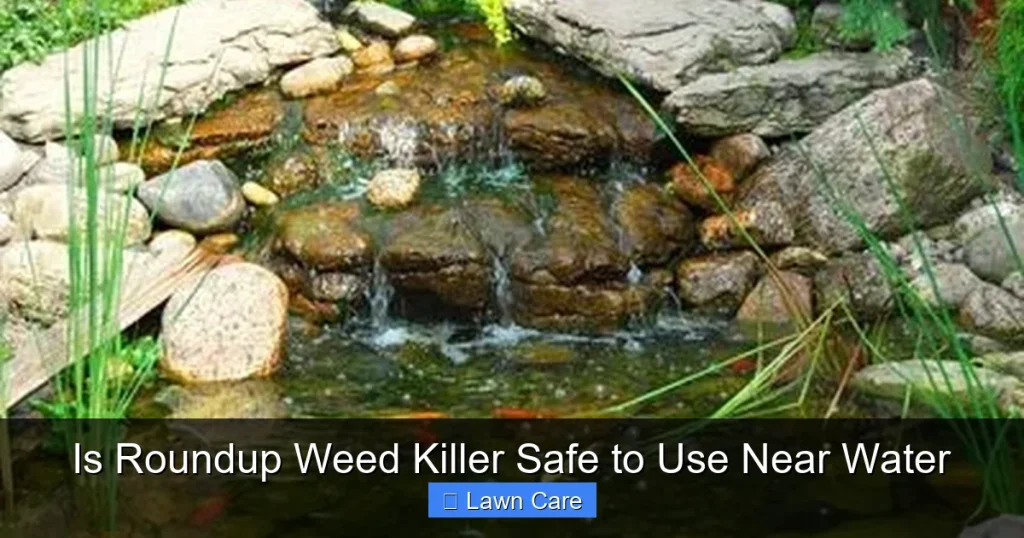
Roundup weed killer can be used near water, but only under strict conditions. This guide explains how to apply it safely, avoid contamination, and protect aquatic life. Follow label instructions and local regulations to minimize environmental risks.
Key Takeaways
- Check the product label: Only use Roundup formulations approved for aquatic or near-water areas. Most standard Roundup products are not labeled for this use.
- Avoid spraying near open water: Keep a safe buffer zone (usually 10–25 feet) between the application area and any body of water to prevent runoff.
- Use low-pressure spraying: High-pressure sprayers increase drift risk. Use a low-pressure hand sprayer for better control.
- Apply during calm, dry weather: Wind and rain can carry herbicides into water sources. Choose a still, dry day with no rain forecast for 24–48 hours.
- Consider alternatives: For sensitive areas, use natural or organic weed killers like vinegar-based solutions or manual removal.
- Follow local regulations: Some states and municipalities ban or restrict glyphosate use near water. Always check local laws before applying.
- Protect yourself and the environment: Wear protective gear and never clean spray equipment near storm drains or waterways.
Is Roundup Weed Killer Safe to Use Near Water?
If you’re dealing with weeds near a pond, lake, stream, or even a backyard creek, you might be wondering: Can I safely use Roundup weed killer here? The short answer is: it depends. While Roundup is one of the most widely used herbicides in the world, its safety near water sources is a serious concern. This guide will walk you through everything you need to know to use Roundup responsibly—without harming aquatic ecosystems, pets, or people.
You’ll learn how to identify safe products, apply them correctly, avoid contamination, and explore eco-friendly alternatives. Whether you’re maintaining a lakeside lawn or managing weeds along a drainage ditch, this guide will help you make smart, informed decisions.
Understanding Roundup and Its Active Ingredient
Roundup’s primary active ingredient is glyphosate, a broad-spectrum systemic herbicide that kills weeds by inhibiting a specific enzyme needed for plant growth. It’s effective against a wide range of weeds, including dandelions, crabgrass, and clover.
However, glyphosate doesn’t discriminate—it can harm desirable plants and, if misused, can end up in water systems. Once in water, it can affect aquatic plants, insects, and even fish. Studies have shown that glyphosate can persist in water for days to weeks, depending on conditions like sunlight, temperature, and microbial activity.
Not All Roundup Products Are Created Equal
Here’s a crucial point: not every Roundup product is approved for use near water. Standard Roundup formulations (like Roundup Ready-To-Use or Roundup Concentrate Plus) are labeled for lawn and garden use only. They explicitly warn against application near water bodies.
However, Monsanto (now Bayer) does offer aquatic-approved glyphosate products, such as Rodeo Herbicide or Glypro, which are specifically formulated and labeled for use in or near water. These products often require a special permit and are typically used by licensed professionals for invasive species control in lakes or wetlands.
Always read the label carefully. If it doesn’t say “for aquatic use” or “approved for use near water,” assume it’s not safe.
How to Safely Use Roundup Near Water (Step-by-Step)
If you’ve confirmed that your Roundup product is approved for near-water use—or you’re treating weeds at a safe distance from water—follow these steps to minimize risk.
Step 1: Identify the Weeds and Water Source
Before you spray, take a moment to assess the area. What kind of weeds are you dealing with? Are they growing right at the water’s edge, or are they 20 feet away? How close is the nearest body of water?
For example, if you’re treating weeds along a fence line that’s 15 feet from a small pond, you’ll need to take extra precautions. But if the water is over 50 feet away and downhill, the risk is lower—though not zero.
Step 2: Choose the Right Product and Equipment
Use only herbicides labeled for near-water application. If your Roundup product isn’t approved, consider switching to an aquatic-safe alternative or a non-chemical method.
For application, use a low-pressure hand sprayer with a coarse spray nozzle. This reduces drift and gives you better control. Avoid backpack sprayers with high pressure, as they can easily overspray or drift onto water surfaces.
Step 3: Apply During Ideal Weather Conditions
Timing is everything. Apply Roundup on a calm, dry day with no wind and no rain in the forecast for at least 24–48 hours. Wind can carry spray droplets onto water, and rain can wash the chemical into storm drains or directly into lakes and streams.
Check the weather app the night before and the morning of application. If there’s even a 30% chance of rain, wait.
Step 4: Maintain a Buffer Zone
Create a buffer zone between the treated area and the water. Most experts recommend a minimum of 10 to 25 feet, depending on slope, soil type, and proximity to water.
For example, if your lawn slopes toward a creek, increase the buffer to 30 feet or more. Use stakes and string to mark the boundary so you don’t accidentally spray too close.
Step 5: Spot-Treat Instead of Broad Application
Instead of spraying large areas, use a spot-treatment method. Apply the herbicide only to the weeds, using a brush or small spray bottle. This reduces the amount of chemical used and lowers the risk of runoff.
For instance, if you’re dealing with a few clumps of crabgrass near a pond, dab the solution directly onto the leaves rather than spraying the entire patch.
Step 6: Clean Up Properly
After application, clean your sprayer and tools away from water sources. Never rinse equipment in a driveway, gutter, or near a storm drain—these often lead directly to local waterways.
Rinse sprayers in a designated area where the water can soak into the soil, far from any water body.
Practical Tips for Lawn Care Near Water
Visual guide about Is Roundup Weed Killer Safe to Use Near Water
Image source: i.pinimg.com
Using herbicides near water requires extra care, but you can still maintain a healthy, weed-free lawn with smart practices.
- Improve lawn health: A thick, healthy lawn naturally resists weeds. Regular mowing, proper fertilization, and adequate watering reduce the need for herbicides. Learn more about keeping your lawn weed-free with regular maintenance.
- Time your applications wisely: Apply weed killers when weeds are actively growing—usually in spring or early fall. Avoid summer heat, which can stress both weeds and grass. For tips, see the best time to use weed killer on your lawn.
- Water responsibly: Overwatering can weaken grass and promote weed growth. Water deeply but infrequently to encourage strong roots. Check out whether it’s better to water deeply or frequently for more guidance.
- Use mulch in garden beds: Organic mulch suppresses weeds and reduces the need for chemical treatments. Discover the best mulch for lawn care to protect your landscape naturally.
Troubleshooting Common Issues
Even with careful planning, problems can arise. Here’s how to handle them.
Problem: Herbicide Drifted Into Water
If you accidentally sprayed near water and suspect contamination, stop immediately. Contact your local environmental agency or extension office for guidance. In some cases, activated charcoal or other absorbents may help reduce impact—but only professionals should handle this.
Problem: Weeds Keep Coming Back
Repeated weed growth may mean your lawn is unhealthy. Test your soil, adjust your mowing height, and consider aerating. Healthy grass crowds out weeds naturally.
Problem: Pets or Wildlife Are Exposed
If animals drink from or swim in contaminated water, contact a veterinarian or wildlife rehabilitator. Glyphosate is low in acute toxicity to mammals, but long-term exposure is a concern.
Eco-Friendly Alternatives to Roundup
If you’re concerned about chemical use near water, consider these safer options:
- Vinegar-based sprays: A mixture of white vinegar, salt, and dish soap can kill weeds naturally. Learn more in our guide to the best DIY weed killers for lawns.
- Boiling water: Pouring boiling water on weeds in cracks or along edges is effective and chemical-free.
- Manual removal: Pulling weeds by hand or using a weeding tool is labor-intensive but completely safe for the environment.
- Corn gluten meal: This natural pre-emergent prevents weed seeds from germinating and is safe for use near water.
Conclusion
Using Roundup weed killer near water is possible—but only with caution, the right product, and strict adherence to safety guidelines. Never assume it’s safe just because it’s a common product. Always read the label, maintain buffer zones, and consider eco-friendly alternatives when possible.
By following the steps in this guide, you can manage weeds effectively while protecting your local waterways, pets, and family. Remember: a healthy lawn starts with smart care, not just chemicals. With the right approach, you can enjoy a beautiful, weed-free landscape—without compromising environmental safety.