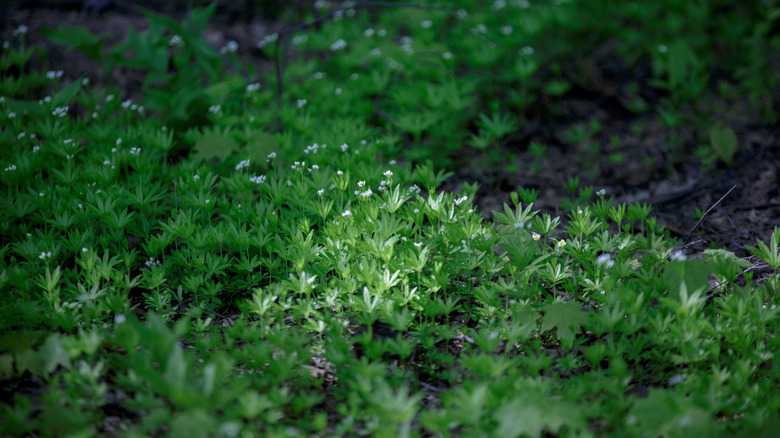
To keep your lawn free of weeds through regular maintenance, stay proactive by mowing correctly, watering wisely, and applying the right treatments at the right times. Consistent vigilance and proper lawn care practices will make weeds less likely to take hold and spread.
In brief, maintaining a healthy, dense lawn is your best defense against weeds. Regular mowing to the right height, watering deeply but infrequently, and fertilizing appropriately help grass grow strong and outcompete weeds. Additionally, removing weeds manually and using targeted herbicides when needed can keep your lawn pristine.
A lush, vibrant lawn doesn’t happen by chance—it takes commitment and routine care. Weeds can quickly invade if your grass becomes thin or patchy, so staying on top of maintenance tasks is essential. Start by mowing at the correct height to encourage thick growth, watering deeply to promote strong roots, and feeding your lawn with suitable fertilizers. Regularly inspecting your yard for weeds allows you to address issues early before they spread further. With consistent effort, your lawn will remain healthy, weed-free, and the envy of the neighborhood.

How to Keep Lawn Weed Free with Regular Maintenance
Understanding the Importance of Regular Lawn Maintenance
Keeping your lawn free from weeds requires consistent care. Regular maintenance helps prevent weeds from taking over your grass and makes your yard look neat. When you stay on top of lawn tasks, weeds find it harder to grow and spread. It’s much easier to stop weeds early than to remove an established invasion.
Identifying Common Lawn Weeds
Knowing your weeds helps you control them better. Common types include dandelions, clover, crabgrass, and thistles. Each weed has unique features, such as leaf shape or growth pattern, which can help you identify them accurately. Correct identification ensures you use the right methods to eliminate each type effectively.
Proper Mowing Practices to Prevent Weeds
Mowing regularly is a simple way to keep weeds at bay. Set your mower to the correct height for your grass type, usually around 2.5 to 3 inches. This height allows your grass to grow thick enough to shade out weeds, preventing their seeds from getting sunlight. Avoid cutting the grass too short, as it weakens the turf and encourages weed growth.
Why Grass Height Matters
Leaving your grass a little taller creates a natural barrier against weeds. Taller grass shades the soil, making it less inviting for weed seeds to sprout. It also promotes deeper roots, making your lawn more resilient and better able to compete with weeds.
Watering Techniques for a Healthy Lawn
Consistent watering is key to a strong, weed-resistant lawn. Water deeply and less frequently to encourage deep root growth. This makes your grass healthier and more competitive against weeds. Avoid shallow watering, which can weaken grass and allow weeds to establish.
Best Practices for Watering
Water your lawn early in the morning for at least 30 minutes. Use a sprinkler that delivers even coverage across the yard. Check the soil moisture regularly to avoid overwatering or underwatering. Deep watering helps your grass develop a sturdy root system, making it harder for weeds to take hold.
Fertilization: Feeding Your Lawn the Right Way
Feeding your lawn with the right nutrients boosts grass growth and thwarts weeds. Use a balanced fertilizer suitable for your grass type and season. Regular fertilization encourages dense, lush turf that fills in bare spots and prevents weeds from taking root.
Creating a Fertilizer Schedule
Apply fertilizer according to manufacturer instructions—usually in spring and fall. Avoid over-fertilizing, which can promote weed growth. Instead, focus on providing steady nutrients that help your grass stay strong and healthy year-round.
Controlling Weeds Through Soil Health
Healthy soil is less inviting for weeds. Testing your soil helps determine its nutrient levels and pH. Amending poor soil with compost or organic matter improves conditions for your grass to thrive. A well-balanced soil environment discourages weed seed germination.
Soil Testing and Amendments
Conduct soil tests to identify deficiencies. Based on results, add organic amendments to balance pH and boost nutrients. A healthy soil supports vigorous grass growth, reducing spaces where weeds can settle.
Overseeding to Thicken Your Lawn
Overseeding involves planting new grass seed over existing turf. It fills in bare spots and makes your lawn denser. A thick lawn shades the soil and blocks weeds from sprouting. It’s an effective way to keep your lawn uniformly green and weed-free.
Best Time to Overseed
Timing depends on your grass type—spring or early fall typically work well. Prepare the soil by raking and aerating before seeding. Keep the area moist until new grass establishes strongly.
Proper Lawn Aeration for Better Growth
Aeration involves poking small holes into the soil to improve air, water, and nutrient movement. Well-aerated soil supports healthy root growth and a dense turf. This lessens opportunities for weeds to establish themselves.
How and When to Aerate
Use a spike or plug aerator on your lawn at least once a year. The best time is during active growing seasons, like spring or fall. Aeration combined with overseeding promotes a lush, weed-resistant lawn.
Using Pre-Emergent Herbicides Effectively
Pre-emergent herbicides prevent weed seeds from germinating. Applying them early in the season can dramatically reduce weed growth. Be sure to follow instructions and choose products suitable for your grass type.
Timing and Application Tips
Apply pre-emergents before weed seeds typically sprout, often in early spring or fall. Water the lawn lightly after application to activate the herbicide. Remember, these products are only effective against new weeds, not established ones.
Post-Emergent Weed Control for Existing Weeds
For weeds already growing, use post-emergent herbicides. Select a targeted product that kills specific weeds while sparing your grass. Apply carefully, preferably on a calm, dry day to avoid drift and runoff.
Manual Weed Removal Techniques
Pull weeds by hand or use a weeding tool for precision. Make sure to remove the entire root to prevent regrowth. Regularly inspecting your lawn allows you to catch weeds early.
Mulching and Edging to Protect Your Lawn
Mulching around flower beds and trees can stop weed seeds from reaching the soil. Edging along walkways and flower beds creates a barrier, keeping weeds from invading your lawn space. These techniques help maintain a neat and weed-free appearance.
Choosing the Right Mulch
Use organic mulches like wood chips or bark. They suppress weeds and improve soil quality. Apply a layer about 2 to 3 inches thick for effective weed control.
Maintaining a Clean Lawn Environment
Regularly raking leaves and removing debris prevents weed seeds from settling. Compost or dispose of yard waste properly. Keeping your lawn tidy discourages weeds and other pests.
Monitoring and Adjusting Your Lawn Care Routine
Stay vigilant by inspecting your lawn weekly during the growing season. Adjust watering, mowing, and fertilizing as needed. Consistent monitoring allows you to catch and treat weeds early, before they become difficult to remove.
Additional Tips for a Weed-Free Lawn
Consider planting ground covers or dense grass varieties that naturally fill in gaps. Avoid over-traffic areas that can compact soil and damage grass roots. Using organic lawn care methods reduces chemical dependency and promotes overall soil health.
Creating a Weed Prevention Plan
Develop a seasonal schedule that includes fertilization, aeration, overseeding, and herbicide application. Regularly update your plan based on weather conditions and lawn performance. Prevention saves time and effort by reducing weed infestations.
Maintaining a beautiful, weed-free lawn takes effort but is well worth the time spent. By combining proper mowing, watering, fertilizing, and targeted weed control strategies, your yard can stay lush and inviting. Regular attention to your lawn ensures weeds don’t get a foothold and keeps your outdoor spaces looking their best.
Frequently Asked Questions
What are effective strategies for preventing weed growth in a lawn?
Maintaining a healthy, dense grass cover is essential to prevent weeds from establishing themselves. Regularly overseed bare patches to promote thick growth and reduce open space where weeds can take hold. Proper fertilization schedules supply your lawn with necessary nutrients, making it more resilient against weeds. Additionally, mowing at the correct height encourages strong grass growth, which naturally suppresses weed emergence. Practice consistent watering to keep the soil adequately moist, supporting healthy grass development and discouraging weed spread.
How can seasonal lawn care contribute to weed control?
Adjusting your lawn care practices according to the seasons supports ongoing weed management. In spring, remove debris and thin out thick patches to improve airflow and sunlight penetration, helping grass grow stronger. During summer, maintain a vigorous watering routine and mow regularly to prevent weeds from seeding. In fall, aerate the soil to improve nutrient absorption and overseed to fill in thin areas. In winter, minimize foot traffic and avoid overwatering, which can create favorable conditions for weed growth in the coming seasons. These seasonal efforts keep the lawn healthy and less inviting for weeds year-round.
What role does proper watering play in maintaining a weed-free lawn?
Proper watering ensures that grass receives adequate moisture without over-saturating the soil, which can promote weed proliferation. Water deeply and infrequently to encourage deep root growth, resulting in a thicker, more competitive lawn. Water early in the morning to reduce evaporation and allow grass to dry before evening, minimizing disease risks. Avoid shallow, frequent watering, as it allows weeds to establish easier roots. Consistent watering practices strengthen your grass, making it more resistant to invasive weeds.
How often should I conduct lawn maintenance routines to prevent weed infestation?
Schedule lawn maintenance activities such as mowing, watering, fertilizing, and aerating at regular intervals, typically every one to two weeks during active growing seasons. Mowing height should be adjusted to promote dense grass, while fertilization should be done according to soil test recommendations. Regularly inspect the lawn for early signs of weed growth and address issues promptly. Consistent maintenance not only keeps your lawn healthy but also minimizes the chances for weeds to establish and spread.
Are there specific tools or equipment that can assist in weed prevention during lawn maintenance?
Yes, tools such as hand weeders, for pulling out weeds by the roots, help control small infestations without disturbing the surrounding grass. Using a dethatcher or scarifier can remove thatch build-up that favors weed growth. A lawn aerator improves soil health and promotes grass growth, making it harder for weeds to take over. Additionally, applying pre-emergent herbicides at appropriate times can prevent weed seeds from germinating. Combining these tools with proper lawn care routines creates an environment less conducive to weed development.
Final Thoughts
Maintaining a weed-free lawn requires consistent effort and attention. Regular mowing helps prevent weeds from seeding and spreading. Proper watering and fertilization encourage healthy grass growth, making it harder for weeds to establish.
Applying pre-emergent and post-emergent herbicides at appropriate times can further control weed growth. Aerate the soil annually to improve nutrient absorption and strengthen your lawn’s resilience.
How to keep lawn weed free with regular maintenance involves diligent care and timely interventions. This approach ensures a lush, healthy lawn free of unwanted weeds, making your outdoor space more inviting and beautiful.