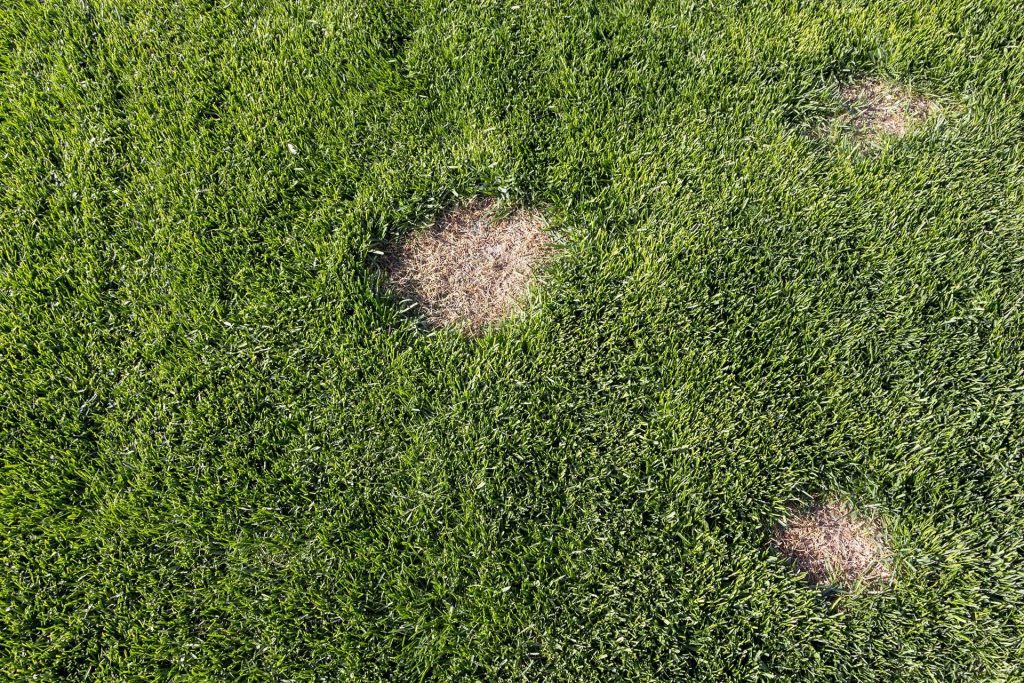
Yes, your Bermuda grass might be dead, but don’t panic just yet. Often, what looks like dead patches can be rescued with proper care, or it might just be dormant due to seasonal changes. The key is to assess the condition of your lawn carefully and determine whether the grass is truly beyond saving or if it just needs some attention and treatment.
In short, to figure out if your Bermuda grass is dead, check for brown, dry patches that aren’t responding to watering or mowing. If the grass doesn’t sprout after proper care, it’s likely dead. However, sometimes damage from drought, pests, or disease can make your lawn look worse than it actually is, so a thorough inspection is necessary. Keep reading to find out how to diagnose the problem and what steps you can take to revive your Bermuda grass or know when it’s time to start fresh.

Is My Bermuda Grass Dead? A Complete Guide to Diagnosing and Reviving Your Lawn
Understanding Bermuda Grass
Bermuda grass is a warm-season grass that thrives in hot climates, making it a popular choice for lawns in southern regions. It is known for its durability, drought resistance, and ability to recover quickly from damage. Knowing the characteristics of Bermuda grass can help you determine whether your lawn’s issues are normal or indicate death.
Signs That Indicate Your Bermuda Grass Might Be Dead
Knowing the signs of dead Bermuda grass can save you time and money. Look for these common indicators:
- Brown or black patches that do not turn green when the grass is supposed to be active.
- Thatch buildup that feels spongy or dry.
- Roots that pull away easily from the soil when tugged gently.
- Persistent dryness even after watering.
- Fungal growth or mold that covers the surface.
If multiple signs are present, your Bermuda grass may be dead or dying.
Common Causes of Bermuda Grass Death
Understanding why Bermuda grass dies helps in diagnosing the issue correctly and preventing future damage.
1. Drought and Insufficient Watering
Bermuda grass needs regular watering to stay healthy. Extended dry periods or inconsistent watering can cause the grass to turn brown and die.
2. Excessive Heat or Cold Damage
Extreme weather, especially prolonged heat or unexpected cold snaps, can stress Bermuda grass beyond recovery.
3. Poor Soil Conditions
Soil that lacks nutrients, has improper pH levels, or poor drainage can hinder root growth and lead to grass death.
4. Overwatering and Poor Drainage
Conversely, too much water can cause root rot and fungal diseases, which kill the grass.
5. Pest Infestation
Insects like armyworms or grubs can damage roots and blades, resulting in dead patches.
6. Disease and Fungal Infections
Fungal diseases such as Brown Patch or Dollar Spot can quickly kill Bermuda grass if not treated promptly.
How to Diagnose if Your Bermuda Grass Is Truly Dead
Proper diagnosis involves more than visual clues. Follow these steps for certainty:
- Pull on the grass gently – if it pulls away easily, it may be dead.
- Check the roots – healthy roots are firm and white or tan; dead roots are brown or black and brittle.
- Test the soil moisture – dry soil indicates drought, whereas waterlogged soil suggests poor drainage.
- Inspect for pests or fungi – look for signs of insects or mold.
- Test soil nutrients – use a soil test kit to check pH and nutrient levels.
If the grass pulls away easily, with brown roots and no green shoots, it is likely dead.
Can You Revive Bermuda Grass? Steps to Save Your Lawn
Reviving Bermuda grass depends on how much damage has occurred. If the grass is not entirely dead, follow these steps to promote recovery:
Assess and Remove Dead Grass
Start by removing dead patches with a rake. Clear away debris to prepare the area for new growth.
Improve Soil Condition
Test your soil and amend it accordingly. Aerify compacted soil and add organic matter to boost nutrient availability.
Water Properly
Adjust watering to ensure deep, infrequent soakings. This encourages roots to grow downward and improves drought tolerance.
Apply Fertilizer
Use a balanced fertilizer formulated for Bermuda grass. Follow manufacturer instructions for best results.
Address Pests and Diseases
Treat any pest infestations or fungal infections with appropriate pesticides or fungicides, following safety guidelines.
Overseed and Reseed
If patches are extensive, overseed with fresh Bermuda grass seed in optimal growing conditions. Keep the soil moist until new grass establishes.
Preventive Measures to Keep Your Bermuda Grass Healthy
Regular maintenance is key to avoiding future problems.
- Water deep and infrequently to promote strong roots.
- Fertilize regularly according to soil test recommendations.
- Mow at the right height to prevent stress—around 1 to 2 inches.
- Aerate the soil annually to reduce compaction.
- Monitor for pests and diseases and treat early.
When to Consider Replacing Bermuda Grass
If your efforts do not revive the grass after several seasons, replacement may be necessary. Consider:
- Extensive root damage or disease spread.
- Persistent patches that refuse to recover despite treatment.
- Soil conditions that are unsuitable for Bermuda grass.
In such cases, preparing the soil for a new type of grass or a different landscaping approach will give better results.
Related Topics to Explore
To ensure a healthy lawn, you might also want to look into:
- Best fertilizers for Bermuda grass
- Watering tips for warm-season grasses
- Common pests affecting Bermuda grass
- Soil testing and amendments for lawns
- Seed vs. sod: Which is better for Bermuda grass?
This comprehensive guide highlights the importance of proper diagnosis, maintenance, and timely intervention. Remember, understanding your Bermuda grass’s needs and conditions is crucial to keep your lawn lush and healthy. Whether it is alive or dead, acting quickly offers the best chance to restore or replace your beloved lawn.
Bermuda dead patches
Frequently Asked Questions
What are the signs that my Bermuda grass might be dead?
If your Bermuda grass appears brown, especially during the growing season, and doesn’t respond to watering or fertilization, it might be dead. Additionally, if the grass feels soft or crumbly when you step on it and there’s no new growth in areas that previously thrived, these are strong indicators that the grass has died.
Can dormant Bermuda grass be mistaken for dead grass?
Yes, Bermuda grass can go dormant during colder months or periods of drought, making it look brown and lifeless. To determine if it’s dormant or dead, gently pull a section of grass. If it pulls out easily and has no green tissue at the base, it may be dead. If the roots are firm and show signs of green when broken, the grass might be dormant and can recover when conditions improve.
How can I test if my Bermuda grass is still alive?
Scratch the surface of the grass with your fingernail or a small tool. If you see a green layer beneath the top layer, the grass is still alive. Alternatively, watering the area deeply and checking for new growth after a few weeks can help confirm if your Bermuda grass is healthy or dead.
What steps should I take if I suspect my Bermuda grass is dead?
If you believe your Bermuda grass is dead, wait until the growing season begins to see if new grass emerges. Remove any dead patches and prepare the soil by aerating and adding fresh soil or fertilizer. If no new growth appears after proper care during the active growing periods, consider reseeding or laying new sod in those areas.
Can overwatering or improper drainage cause Bermuda grass to die?
Yes, excessive watering or poor drainage can lead to root rot and other issues that kill Bermuda grass. Ensure you water deeply but infrequently, allowing the soil to dry out between waterings. Improving drainage and avoiding waterlogging will help prevent the grass from dying due to excessive moisture.
Final Thoughts
Votre bermuda peut sembler mort ou en difficulté, mais souvent, il suffit de vérifier quelques signes. Si la herbe jaunit ou devient très faible, cela peut indiquer un problème. Parfois, les conditions climatiques ou un manque d’eau causent des dommages temporaires.
Pour favoriser sa récupération, arrosez régulièrement et évitez de piétiner la zone. Une évaluation précise vous aidera à déterminer si votre bermuda est réellement mort. Is my bermuda grass dead? Si aucune pousse ne revient après diverses tentatives, il est probable qu’il soit effectivement terminé.