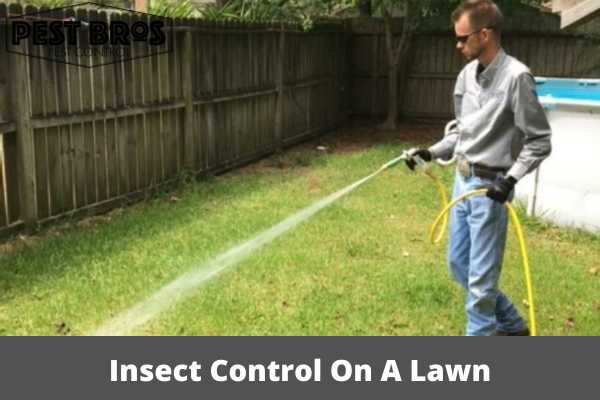
The best time to put down lawn insect killer is when you notice signs of insect activity or damage, typically during the early spring or late summer. Applying the right treatment at the right moment can dramatically reduce pest populations and protect your grass.
In brief, you should put down lawn insect killer when pests are first active, which is often in the spring or early summer, or after noticing specific damage or insects on your grass. Timing is key to effective pest control, ensuring you prevent infestations before they become severe.
Dealing with lawn pests can be frustrating, but knowing the optimal timing for applying insect killer can make all the difference. The best window is when insects start emerging or when you see damage such as brown patches, chewed grass, or actual bugs. Typically, this is during the early growing season or after hot, dry spells when pests tend to become more active. Applying too early or too late can reduce effectiveness and waste your efforts. Keep an eye out for signs of pests and plan your treatment accordingly to keep your lawn healthy and pest-free all season long.

When to Put Down Lawn Insect Killer: A Complete Guide
Understanding the Right Time to Apply Insect Killer
Applying lawn insect killer at the correct time is crucial for effective pest control. If you spray too early, pests might still be underground or inactive, making the treatment less effective. If you wait too long, pests could damage your grass and plants before you can eliminate them. Knowing the right timing helps you protect your lawn while avoiding unnecessary chemical use.
Signs That Indicate It’s Time to Treat Your Lawn
Look for visible signs of pests such as chewed grass, brown patches, or insects crawling on the surface. Yellowing or thinning grass can also indicate pest activity. Additionally, if you spot adult insects or larvae in your soil or on plants, it’s time to consider applying insect killer. Regularly inspecting your lawn keeps you aware of pest activity.
Optimal Seasons for Applying Lawn Insect Killer
The best time to treat your lawn is during the active growing season of pests, usually in spring or early summer. During these seasons, pests are most active and feeding on grass and plants, making treatments more effective. Avoid applying insect killer during cold months or winter, as pests are generally inactive then.
Spring: The Prime Time for Pest Control
Spring is when many pests emerge from their dormant state, making it an ideal time for treatment. Warmer weather encourages pests like grubs, chinch bugs, and sod webworms to become active. Applying insect killer early in spring helps prevent infestations from establishing.
Early Summer: Maintain Pest Control Efforts
As temperatures rise, pests continue to reproduce and feed. Consistent treatment during early summer helps control population growth. Monitor your lawn regularly for pest activity and apply insect killer as needed to keep pests in check.
Factors That Influence the Timing of Application
Several environmental and biological factors influence when you should put down lawn insect killer. These include soil temperature, pest life cycles, weather conditions, and your lawn’s overall health.
Soil Temperature and Pest Life Cycles
Most pests become active when soil temperatures reach between 50°F and 70°F. For example, grubs hatch in late spring to early summer, making this the best window for treatment. Understanding pest life cycles helps you time your application precisely.
Weather Conditions and Pest Activity
Avoid applying insect killer before heavy rain or during windy days, as these can wash away or disperse the chemicals. Dry, mild weather provides the best conditions for the insecticide to work effectively and stay on your lawn. Also, avoid treatment during high temperatures that could stress your grass.
Assessing Lawn Health Before Applying
A healthy lawn is more resistant to pests, so ensure your grass is properly watered, fertilized, and mowed before treatment. Weak or stressed turf might require earlier intervention, as pests can quickly damage fragile plants.
Timing for Different Types of Lawn Pests
Different pests require different timing strategies for control. Understanding these helps you apply the correct treatment at the right time to prevent damage and infestation.
Grubs
Grubs are beetle larvae that feed on grass roots. They are most active in late spring and early summer. Applying a grub control product during this period can prevent severe damage to your lawn.
Chinch Bugs
Chinch bugs thrive during hot, dry weather, typically in mid to late summer. To control chinch bugs, apply insecticide when you notice yellow patches or discolored grass that indicates their presence.
Webworms and Armyworms
These pests typically appear in late summer. Spotting webbing or chewed grass signals it’s time to act. Use specific insecticides targeted at these pests during their active periods.
Best Practices for Applying Lawn Insect Killer
Knowing when to apply insect killer is only part of the process. Proper application techniques maximize effectiveness and minimize environmental impact.
Follow Manufacturer’s Instructions
Always read and follow the instructions on the product label. This includes dosage, application methods, and safety precautions. Proper application ensures pest control and reduces harm to beneficial insects.
Application Timing During the Day
Apply insect killer early in the morning or late in the evening when temperatures are cooler. This prevents evaporation and helps the chemicals absorb better into the soil and plant surfaces.
Use Correct Equipment
Use a garden sprayer or spreader suitable for the product. Calibrate your equipment to ensure even coverage. Proper equipment helps you apply the right amount of product efficiently.
Additional Considerations When Putting Down Lawn Insect Killer
Other factors can influence when and how you treat your lawn, including environmental concerns and lawn maintenance practices.
Environmental Impact and Safety
Choose eco-friendly or low-toxicity options when possible. Avoid treating before rainstorms to prevent runoff. Keep children and pets away from treated areas until safe.
Frequency of Application
Repeat treatments only if pests persist. Overuse can harm beneficial insects and pollute the environment. Usually, a single treatment during peak pest activity is sufficient, followed by regular lawn care.
Integrating Pest Management
Combine chemical treatments with biological controls like beneficial nematodes or natural predators. Integrated pest management reduces chemical dependence and supports a sustainable lawn.
Related Topics to Consider
In addition to timing, consider lawn aeration, proper watering, and fertilization for a healthy lawn. These practices discourage pests and promote vigorous grass growth.
Seasonal Lawn Care Tips
– Aerate your lawn in spring to improve soil health.
– Water deeply but infrequently to encourage deep roots.
– Apply fertilizer according to grass type and season.
Recognizing Pest Damage Early
Regularly inspect for signs of pests. Catching infestations early allows you to treat effectively and prevent extensive damage.
Natural Pest Control Alternatives
Use beneficial insects such as ladybugs or nematodes to control pests without chemicals. These methods are safer for the environment and your family.
By understanding the timing and best practices for applying lawn insect killer, you can protect your yard effectively. Remember that patience, proper timing, and careful observation are key to maintaining a healthy, pest-free lawn.
How to Use Spectracide® Triazicide® Insect Killer For Lawns Granules
Frequently Asked Questions
How can I tell if my lawn needs an insecticide treatment?
Inspect your lawn regularly for signs of pest activity, such as patches of dying grass, visible insects, or holes in the soil. If you notice these symptoms, it’s a good indication that pest control is necessary. Early detection helps prevent the spread of pests and reduces the amount of insecticide needed.
When is the ideal season to apply lawn insect killer?
The best time to apply insecticide is during the peak activity periods of the pests you’re targeting, typically in early spring or late summer. Avoid applying when the lawn is stressed from drought or extreme heat, as this can reduce the effectiveness of the treatment and damage your grass.
How soon should I treat my lawn after noticing pest signs?
As soon as you observe signs of pest activity, treat your lawn promptly to prevent infestation from worsening. Waiting too long can lead to extensive damage and require more extensive interventions later. Timely application helps control pests effectively and preserves your lawn’s health.
Is there an optimal weather condition for applying lawn insect killer?
Apply lawn insecticide when the weather forecast predicts dry conditions for at least 24 hours. Avoid windy days or rain, as these can cause the insecticide to drift away or wash off, reducing its effectiveness. Cooler, calm weather allows the treatment to settle and work efficiently.
How often should I reapply insect killer on my lawn?
Reapply insecticide based on the product instructions and the level of pest activity. Typically, a second treatment is necessary after 2-3 weeks if pests persist. Regular monitoring will help you determine when another application is required to keep pests under control.
Can I treat my lawn during peak pest activity times or should I wait?
It’s best to treat your lawn during pest peak activity for maximum effectiveness. Applying insecticide when pests are actively feeding or moving makes them more likely to come into contact with the product, leading to better control and healthier turf.
Final Thoughts
Knowing when to put down lawn insect killer is essential for effective pest control and safety. Apply the product when you notice active pest activity or signs of damage on your lawn. Use it during the early morning or late evening to minimize impact on beneficial insects.
Avoid applying insect killer during hot, windy days to prevent runoff and ineffective treatment.
In conclusion, when to put down lawn insect killer depends on pest activity and weather conditions. Timing it correctly ensures your lawn stays healthy without unnecessary chemicals.