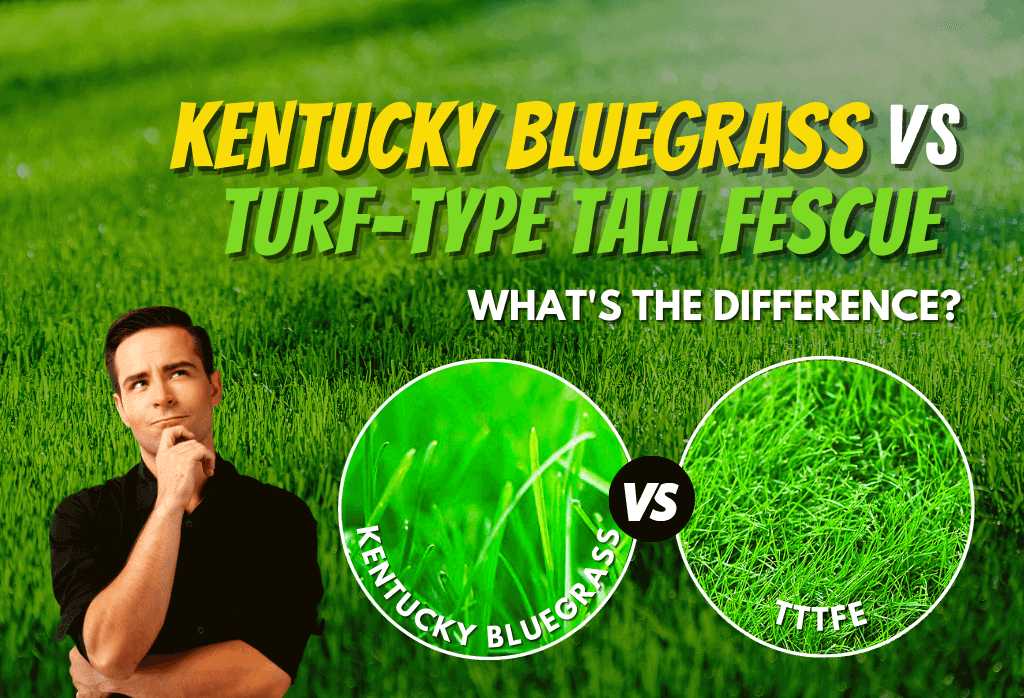
No, Kentucky bluegrass is not a fescue. While both are popular cool-season grasses used in lawns, they are distinctly different species with unique characteristics. Kentucky bluegrass is known for its lush, vibrant green color and fine texture, whereas fescues tend to be coarser and more drought-resistant. If you’re wondering whether Kentucky bluegrass falls into the fescue family, the answer is no—they belong to different genera and have different growth habits. Keep reading to learn more about what sets Kentucky bluegrass apart from fescues and how to choose the best grass for your lawn.
If you’re trying to identify whether Kentucky bluegrass is a fescue, you’ll find that they are separate types of grass with their own unique features. Kentucky bluegrass (Poa pratensis) is a lush, dense, and primarily used in cooler climates, while fescues (Festuca spp.) typically tolerate drought and shade better. Understanding these differences can help you select the right grass for your outdoor space, ensuring a healthy and beautiful lawn all year round.

Is Kentucky Bluegrass a Fescue? Exploring the Differences and Similarities
Understanding Kentucky Bluegrass
Kentucky bluegrass, known scientifically as *Poa pratensis*, is a popular cool-season grass widely used in lawns. It develops lush, dense, and vibrant green turf that can tolerate frequent foot traffic. This grass is native to Europe but has become a staple in North American lawns and athletic fields.
Characteristics of Kentucky Bluegrass
Kentucky bluegrass is prized for its fine texture and natural ability to form a dense mat. It spreads through underground stems called rhizomes, which help it recover quickly from damage. Its growth peaks in cooler weather, making it ideal for northern climates.
What Are Fescues?
Fescues are a group of grasses belonging to the genus *Festuca*. They are also cool-season grasses and include several species like tall fescue, fine fescue, and creeping red fescue. Fescues are known for their adaptability, drought tolerance, and shade resistance.
Different Types of Fescues and Their Features
- Fine Fescue: Includes creeping red and chewings fescue, offering fine texture and shade tolerance. Ideal for low-maintenance lawns.
- Tall Fescue: A coarser grass that is drought-tolerant and has deep roots, making it suitable for drought-prone areas.
- Creeping Red Fescue: Excellent for shaded areas but less vigorous in full sun.
Is Kentucky Bluegrass a Fescue? The Answer
The short answer is no; Kentucky bluegrass is not a fescue. They are different species within the grass family, each with unique growth habits and characteristics. However, they are both cool-season grasses and are often mixed in lawns for their complementary qualities.
Key Differences Between Kentucky Bluegrass and Fescues
Growth Habit
Kentucky bluegrass spreads via rhizomes, creating a dense and lush carpet. Fescues, especially creeping red and chewings, also spread through creeping stems but have different growth patterns and textures.
Texture and Appearance
Kentucky bluegrass has a fine to medium texture with a smooth, soft feel. Fescues tend to have a coarser or finer texture depending on the species, with fine fescues being very delicate and soft.
Climate and Soil Preferences
Both grasses thrive in cooler climates, but Kentucky bluegrass prefers slightly richer, well-drained soil. Tall fescue is more adaptable to poorer soils and drought conditions.
Maintenance and Drought Tolerance
Fescues generally require less water and fertilizer than Kentucky bluegrass. Tall fescue stands out for drought resistance, while Kentucky bluegrass needs regular watering to stay vibrant.
Can Kentucky Bluegrass and Fescue Be Grown Together?
Yes, these grasses are often blended in lawns to boost resilience and visual appeal. Mixing Kentucky bluegrass with fine or tall fescues can create a lawn that is lush, durable, and requires less maintenance.
Advantages of Combining Kentucky Bluegrass with Fescue
- Enhanced drought tolerance due to fescue components
- Better shade adaptability with fine fescues
- Improved recovery from wear and tear
- Natural weed suppression by dense turf
Best Practices for Growing Kentucky Bluegrass and Fescues
Soil Preparation and Testing
Start with soil testing to determine pH and nutrient levels. Kentucky bluegrass prefers slightly acidic to neutral soil (pH 6.0-7.0), while fescues are adaptable but thrive in similar conditions.
Seeding and Establishment
Mix seeds evenly for planting. Use a seed-to-soil contact technique, and water lightly but frequently to promote germination. Expect germination within two to three weeks.
Watering and Maintenance
Maintain consistent moisture during establishment. After turf is established, reduce watering but ensure adequate hydration, especially in summer.
Fertilization and Care
Apply high-quality fertilizer in early spring and fall. Regular mowing keeps the turf healthy; keep mower blades sharp and at proper height.
Environmental Considerations
Both Kentucky bluegrass and fescues are environmentally friendly choices, especially in suitable climates. They help with soil stabilization and air purification, reducing pollution.
While Kentucky bluegrass is not a fescue, they are complementary grasses often used together for their respective advantages. Knowing their distinct features and growth habits can help homeowners and landscapers create the perfect lawn suited to their environment. Combining these grasses ensures a lush, resilient, and low-maintenance turf for years to come.
Kentucky Bluegrass Pros and Cons
Frequently Asked Questions
Is Kentucky Bluegrass classified as a fescue?
No, Kentucky Bluegrass is not classified as a fescue. It belongs to the Poa genus and is known for its fine texture and rich green color. Fescues, on the other hand, are part of the Festuca genus and have different growth habits and leaf textures. While both are cool-season grasses, they are distinct types with unique characteristics.
What are the main differences between Kentucky Bluegrass and fescues?
Kentucky Bluegrass has a dense, soft, and fine-textured appearance with a deep green color. It spreads through rhizomes, creating a lush and uniform lawn. Fescues tend to have a coarser texture, often grow in clumps, and are more drought-tolerant. Their leaf blades are usually narrower, and they adapt well to shaded areas, unlike Kentucky Bluegrass which prefers full sun.
Can Kentucky Bluegrass and fescues grow together in the same lawn?
Yes, many homeowners combine Kentucky Bluegrass with certain fescue varieties to create a resilient lawn. This mix can provide a balance of fine texture, drought tolerance, and shade adaptability. However, the success of this combination depends on proper mowing, watering, and fertilization to meet the needs of both grass types.
Which grass type is better suited for cooler climates—Kentucky Bluegrass or fescues?
Both Kentucky Bluegrass and fescues thrive in cooler climates. Kentucky Bluegrass performs well in locations with moderate to high rainfall and cooler temperatures, while certain fescue varieties, such as tall fescue, are particularly drought-tolerant and shade-resistant. Selecting the right type depends on your specific climate conditions and lawn requirements.
Why do people often confuse Kentucky Bluegrass with fescue?
The confusion arises because both grasses are common in cool-season lawns and share similar growth periods during the year. Their visual similarities, such as green color and adaptability to similar climates, contribute to this mix-up. However, their distinct textures, growth patterns, and maintenance needs set them apart.
Final Thoughts
Kentucky bluegrass is a popular cool-season grass known for its dense, lush appearance. It is not a fescue but is often compared to tall fresses for its fine texture.
While both grasses thrive in similar climates, they have distinct characteristics. Kentucky bluegrass belongs to the Poa genus, unlike fescues in the Festuca genus.
In conclusion, is kentucky bluegrass a fescue? No, it is not. Their differences make each suitable for different lawn needs and climates.