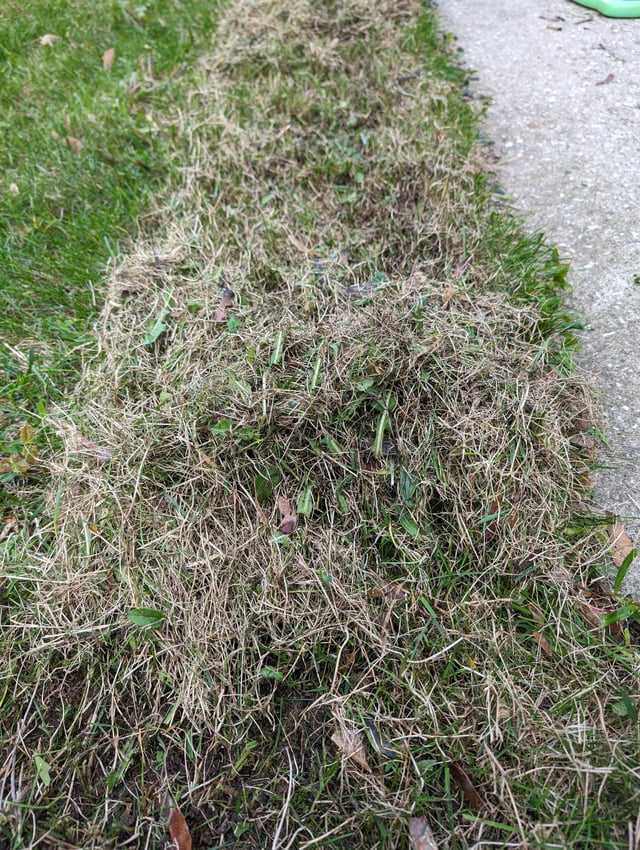
Kentucky bluegrass typically germinates within 14 to 21 days, but patience and proper conditions are key to a lush, healthy lawn. If you’re eager to see your new grass sprout, you’ll be pleased to know that with the right care, you’ll have a vibrant green yard in just a few weeks. In this article, we’ll explore the factors that influence germination time and offer tips to help you get the best results.
For those planting Kentucky bluegrass, it generally takes about 2 to 3 weeks to see the first signs of growth. Factors like soil temperature, moisture levels, and seed quality can speed up or slow down this process. By understanding these elements and providing optimal conditions, you can ensure a successful and swift germination, setting the foundation for a beautiful, enduring lawn.

How Long Does It Take Kentucky Bluegrass to Germinate?
Understanding Kentucky Bluegrass Germination Timeline
Kentucky bluegrass typically takes between 14 to 21 days to germinate after planting. This period can vary depending on several factors, including soil temperature, moisture, and seed quality. Knowing this timeline helps gardeners plan their lawn care schedule effectively.
Factors Affecting Germination Speed
Various elements influence how quickly Kentucky bluegrass seeds sprout. Soil temperature is one of the most critical, with optimal germination occurring when temperatures are between 60°F and 75°F. Adequate moisture levels are also essential, ensuring seeds stay damp but not waterlogged. Additionally, seed quality and preparation significantly impact germination rates.
Role of Soil Temperature in Germination
Soil temperature greatly affects seed sprouting. When soil is too cold, germination slows or stops altogether. Conversely, if the soil is too hot, seeds may not sprout properly or could die. For best results, plant Kentucky bluegrass when soil temperatures are consistently within the ideal range.
Impact of Soil Moisture
Consistent soil moisture encourages germination by softening the seed coat and supporting seedling growth. Too little water delays sprouting, while excessive moisture can cause seeds to rot. Regular watering during the germination period ensures seeds remain damp.
Optimal Soil Conditions for Kentucky Bluegrass Germination
The best soil for Kentucky bluegrass is well-draining, fertile, and slightly acidic to neutral, with a pH between 6.0 and 7.0. Incorporating organic matter improves nutrient availability and soil structure, promoting healthy seedling growth. Proper soil preparation increases the chances of rapid and uniform germination.
Soil Preparation Tips
Before planting, loosen the soil to a depth of at least 4 inches. Remove rocks, weeds, and debris. Level the soil surface for even seed distribution. Adding compost or fertilizer enhances soil fertility, providing essential nutrients for initial growth.
Steps to Encourage Faster Germination
To speed up Kentucky bluegrass germination, follow these steps:
- Choose high-quality seeds with high germination rates.
- Plant during the recommended season, ideally early fall or spring.
- Ensure soil temperature is within the optimal range.
- Prepare the soil properly and loosen it to encourage root development.
- Keep the soil consistently moist, using gentle watering routines.
- Avoid overwatering, which can lead to seed rot or disease.
Seeding Techniques for Better Germination
Spread seeds evenly across the prepared soil using a seed spreader for uniform coverage. Lightly rake the seeds into the soil surface to improve soil contact. Covering the seeds with a thin layer of soil or mulch can also protect them from birds and environmental stress.
Patience and Care During Germination
Germination can sometimes be delayed due to weather or soil conditions. During this time, maintain consistent moisture and avoid disturbing the soil. Protect the area from heavy foot traffic, which can damage emerging seedlings.
Common Challenges and Solutions
Some issues that may slow germination include dry soil, poor seed quality, or improper planting depth. To address these:
- Water regularly to keep the soil moist, especially during hot or dry weather.
- Use fresh, high-germination seeds from trusted suppliers.
- Plant at a shallow depth, about 1/4 to 1/2 inch deep for best results.
Additional Tips for Successful Kentucky Bluegrass Growth
Once germinated, Kentucky bluegrass requires ongoing care. Regular watering, mowing at the right height, and fertilization promote healthy, dense lawns. Avoid heavy use during the early stages to prevent damage to young seedlings.
Understanding Growth Stages
After germination, seedlings develop roots and leaves, gradually strengthening. Full establishment can take several months, so patience is key. Proper maintenance during these stages ensures a lush, vibrant lawn.
Seasonal Considerations for Planting
Planting in early fall allows for natural rainfall and cooler temperatures, which favor germination and growth. Spring planting is also possible but may require more diligent watering and care. Avoid planting in extreme heat or cold to ensure better success rates.
Summary of Key Data
| Factor | Optimal Conditions | Impact on Germination |
|---|---|---|
| Soil Temperature | 60°F to 75°F | Speeds up germination; delays outside this range |
| Soil Moisture | Consistently damp, not soaked | Essential for sprouting and seedling health |
| Seed Quality | High germination rate seeds | Results in quicker and more uniform germination |
| Planting Depth | 1/4 to 1/2 inch | Good soil contact; promotes faster sprouting |
Related Topics to Explore
- How to maintain Kentucky bluegrass after germination
- Best fertilization practices for Kentucky bluegrass lawns
- Common pests and diseases affecting Kentucky bluegrass
- Watering schedules for optimal growth
This comprehensive overview provides the detailed insights needed to understand how long Kentucky bluegrass takes to germinate. Proper planning, soil preparation, and attentive care during the germination period will help you achieve a healthy, lush lawn in a timely manner.
How long does it take for KBG to germinate?
Frequently Asked Questions
What environmental factors influence how quickly Kentucky bluegrass germinates?
The rate at which Kentucky bluegrass germinates depends heavily on environmental conditions. Optimal soil temperatures range between 60°F and 75°F (15°C to 24°C), which promote faster germination. Consistent soil moisture is essential—keeping the soil evenly moist without overwatering helps the seeds establish quickly. Additionally, adequate sunlight and good soil drainage support healthy germination. Fluctuations in temperature or dry soil conditions can delay the germination process.
How does soil preparation affect the germination time of Kentucky bluegrass?
Preparing the soil properly reduces germination time by providing an ideal environment for seed development. Loosen compacted soil to improve aeration and ensure good seed-to-soil contact. Incorporate organic matter or compost to boost fertility and moisture retention. Level the soil surface to prevent water pooling, which can hinder seed growth. When the soil is well-prepared, Kentucky bluegrass seeds have a better chance to germinate within the typical timeframe.
What are some common mistakes that can delay Kentucky bluegrass germination?
Overwatering or underwatering can interfere with seed germination by either drowning the seeds or dehydrating them. Planting seeds too deeply or too shallow can prevent proper sprouting; seeds should be sown at a depth of about 1/4 to 1/2 inch. Using low-quality seed or not storing the seed properly before planting can also cause delays. Additionally, planting in unsuitable weather conditions, such as extreme heat or cold, can extend the time it takes for Kentucky bluegrass to emerge.
How does the choice of seed variety impact germination time?
Different Kentucky bluegrass cultivars vary in germination speed. Some varieties are bred specifically for quick establishment, sprouting within 7 to 14 days under ideal conditions. Others may take longer, around 21 days or more. Choosing a seed variety suited to your climate and soil conditions can help ensure faster and more uniform germination. Always check the seed packet for specific germination timelines provided by the manufacturer.
Can soil temperature fluctuations affect the germination timeline?
Yes, fluctuations in soil temperature can either accelerate or delay Kentucky bluegrass germination. Sudden drops in temperature may slow down the process, while consistent warm temperatures within the optimal range promote faster sprouting. Maintaining stable soil temperatures through proper watering techniques and planting at the right time of year helps achieve predictable germination timelines. Monitoring local weather can assist in scheduling planting for the best results.
Final Thoughts
The time it takes for Kentucky bluegrass to germinate varies depending on soil and weather conditions. Typically, you will see sprouts within 14 to 30 days after planting. Consistent moisture and proper soil preparation speed up the process.
In conclusion, understanding how long it takes Kentucky bluegrass to germinate helps set realistic expectations and ensures successful lawn establishment. This grass usually appears in about two to four weeks, making patience essential during the early growth phase.