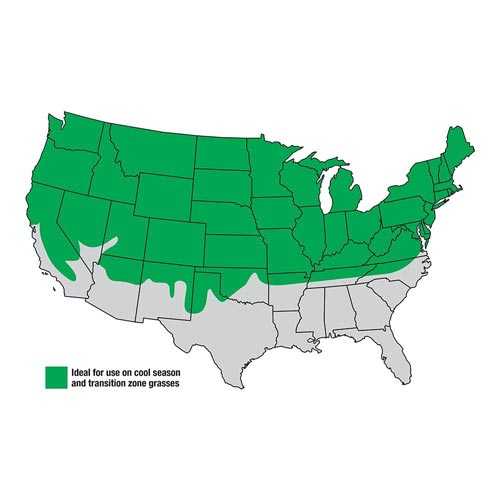
Kentucky bluegrass thrives best in cool, moist environments with plenty of sunlight, making it a top choice for lush lawns in temperate regions. Want a vibrant, dense lawn? Knowing where Kentucky bluegrass grows best can help you achieve that green paradise. This grass variety prefers well-drained soil and slightly acidic to neutral pH levels, flourishing in areas with moderate rainfall and temperatures. Proper care and the right environment will ensure your Kentucky bluegrass stays healthy and vibrant. Whether you’re a homeowner or a landscaper, understanding its ideal growing conditions can make all the difference in creating a picture-perfect lawn. Keep reading to discover exactly where this beautiful grass thrives and how to cultivate it successfully in your own backyard.

Where Does Kentucky Bluegrass Grow Best?
Introduction to Kentucky Bluegrass and Its Growing Habits
Kentucky Bluegrass is one of the most popular grass types for lawns across many regions. It is known for its lush, dark green color and soft texture. This grass thrives under specific conditions, which makes understanding its preferred environment important for success. Getting the right growing environment allows Kentucky Bluegrass to grow strong and look beautiful.
Climate Conditions Favorable for Kentucky Bluegrass
Kentucky Bluegrass performs best in areas with moderate temperatures. It prefers cool to warm climates but does not do well in extreme heat or cold. The ideal temperature range for growth is between 60 to 75 degrees Fahrenheit. During summer, some shade can help prevent the grass from overheating.
Temperature and Growth Rate
When temperatures stay within the preferred range, Kentucky Bluegrass grows lush and dense. During cooler months, it thrives and stays vibrant. In very hot weather, it may go dormant but can bounce back when temperatures drop again.
Seasonal Growth Patterns
Kentucky Bluegrass grows actively in spring and fall when temperatures are mild. It may slow down during intense summer heat but remains resilient if well-watered. Cool seasons help it develop strong roots and maintain color.
Soil Type and pH Preferences
The soil must be well-draining and rich to support Kentucky Bluegrass. It prefers loamy soils that hold moisture but do not become waterlogged. The ideal soil pH level ranges from 6.0 to 7.0, which is slightly acidic to neutral.
Soil Preparation Tips
Before planting, test the soil to check pH and nutrients. Adding organic matter can improve soil structure. Proper aeration helps roots grow deeply and strengthens the grass.
Signs of Ideal Soil Conditions
Healthy Kentucky Bluegrass indicates good soil conditions: deep green color, dense growth, and quick recovery from wear. Poor soil can cause patchy areas, thin growth, or browning.
Sunlight Requirements for Kentucky Bluegrass
Kentucky Bluegrass loves full sunlight, needing at least six hours of direct sunlight each day. However, it can tolerate some light shade without affecting growth too much.
How Sunlight Impacts Growth
Sunlight encourages photosynthesis, helping the grass stay green and healthy. Lack of sunlight can weaken the grass and make it susceptible to weeds and diseases.
Shaded Areas and Grass Performance
In shaded areas, Kentucky Bluegrass may not perform as well. It might become thin or develop a bluish tint. In such cases, choosing a shade-tolerant grass variety can be a better option.
Watering Needs and Maintenance
Regular watering is crucial, especially during dry periods. Kentucky Bluegrass requires about 1 to 1.5 inches of water weekly for optimal growth.
Watering Tips for Healthy Growth
Water deeply and infrequently to encourage deep root growth. Early morning is the best time for watering to reduce evaporation and disease risk. Avoid overwatering, which can lead to fungal problems.
Signs of Proper and Excess Watering
Healthy Kentucky Bluegrass feels soft and resilient. Overwatering can cause soggy patches, while underwatering leads to dry, brown spots.
Soil Drainage and Compaction Considerations
Good drainage prevents water from pooling around roots, which can cause root rot. Avoid compacted soil, which limits root growth and weakens the lawn.
Improving Drainage
Adding organic matter or sand helps improve soil drainage. Aeration creates space for roots and enhances water movement through soil.
Managing Soil Compaction
Regular aeration and avoiding heavy foot traffic help maintain soil health. Healthy, loose soil supports vigorous grass growth.
Recommended Regions for Kentucky Bluegrass
Kentucky Bluegrass grows best in regions with moderate climate zones, particularly in USDA zones 3 through 7.
States and Areas Ideal for Kentucky Bluegrass
- Midwestern states like Ohio, Indiana, and Illinois
- Northern parts of the South, including Tennessee and Kentucky
- Parts of the Northeastern United States such as Pennsylvania and New York
Regions to Approach with Caution
Areas with extremely hot summers or very cold winters may pose challenges for Kentucky Bluegrass. Proper maintenance and selection of specific varieties can mitigate these challenges.
Regional Tips for Growing Kentucky Bluegrass
Adapting to regional conditions helps ensure a healthy, vibrant lawn. In warmer regions, providing shade and adequate watering is vital. Cool regions require reseeding and winter protection strategies.
Maintaining Kentucky Bluegrass in Hot Climates
Use drought-tolerant varieties or overseed with heat-resistant grass types. Ensure sufficient irrigation and avoid mowing too short to reduce stress.
Growing in Cold Climates
Choose hardy Kentucky Bluegrass cultivars that withstand cold temperatures. Reseed in late summer or early fall and protect the lawn with mulch or cover during harsh winter months.
Choosing the Right Kentucky Bluegrass Variety
Selecting a cultivar suited to your region ensures better growth and fewer problems.
Popular Kentucky Bluegrass Cultivars
- ‘Arkansas 26’ – drought tolerant and cold hardy
- ‘Midnight’ – dense, dark green, strong recovery
- ‘Nassau’ – shade tolerant and adaptable to various soils
Factors to Consider When Picking a Variety
Consider your climate, soil type, sun exposure, and lawn use. Consulting local extension services can help determine the best strains for your area.
Kentucky Bluegrass thrives best in regions with moderate temperatures, well-drained loamy soil, and ample sunlight. Proper soil preparation, watering, and choosing the right variety are key steps to creating a lush, healthy lawn. Adapting care routines according to your specific regional conditions will ensure Kentucky Bluegrass remains vibrant and resilient throughout the seasons.
Kentucky Bluegrass Pros and Cons
Frequently Asked Questions
What soil conditions are ideal for Kentucky bluegrass to thrive?
Kentucky bluegrass prefers well-drained, fertile soils with a pH level between 6.0 and 7.0. Soils rich in organic matter support healthy root development. Ensuring proper soil preparation, such as aeration and fertilization, helps create optimal growing conditions for this grass type.
How does sunlight affect where Kentucky bluegrass grows best?
Kentucky bluegrass thrives in areas with full sun, receiving at least 6 hours of direct sunlight each day. Although it can tolerate some shade, prolonged shade may lead to thin, weak turf. For lush, dense growth, plant this grass in locations that receive ample sunlight.
What watering practices are suitable for establishing Kentucky bluegrass?
Regular watering is essential during the establishment phase, providing about 1 to 1.5 inches of water per week. Once established, Kentucky bluegrass benefits from deep, infrequent watering that encourages deep root growth. Avoid overwatering to prevent disease and ensure the soil remains moist but not soggy.
In which climate zones does Kentucky bluegrass perform best?
Kentucky bluegrass adapts well to cooler temperate zones, specifically USDA zones 3 through 7. It can tolerate cold winters and moderate summer heat, making it suitable for regions with distinct seasons. In hotter climates, it may require additional care to maintain its quality.
Can Kentucky bluegrass grow successfully on slopes or uneven terrains?
Yes, Kentucky bluegrass can establish effectively on slopes and uneven grounds if the soil drainage is good. Proper grading and soil stabilization techniques help prevent erosion. Regular maintenance and appropriate watering ensure the grass remains healthy on challenging terrains.
Final Thoughts
Kentucky bluegrass thrives in regions with cool, moist climates. It prefers well-drained soils rich in nutrients for optimal growth.
This grass grows best in full sun but can tolerate some shade, making it versatile for various lawns. It also requires regular watering to stay lush and healthy.
Where does Kentucky bluegrass grow best? It performs ideally in areas with moderate rainfall and temperatures between 60-75°F. Proper maintenance ensures a vibrant, resilient lawn.